
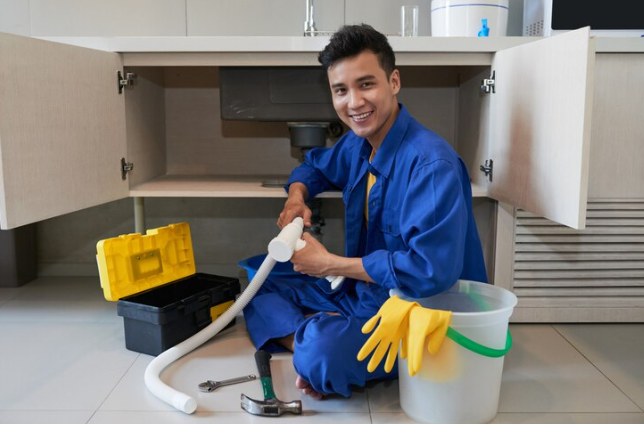
Hydro Jetting and Snaking are two pivotal plumbing methods commonly employed to tackle clogged drains and maintain the smooth operation of residential plumbing. Choosing the most time-efficient technique can significantly impact job duration and overall service productivity, especially for plumbers working under tight schedules. Understanding the nuances between these two methods, including their operational dynamics, effectiveness, and suitability for various plumbing challenges, can illuminate which option offers superior time savings in residential environments.
Hydro Jetting and Its Impact on Time Savings in Residential Plumbing
Hydro jetting has revolutionized residential plumbing by introducing a method that combines efficiency, power, and eco-friendliness. Utilizing a pressurized water system, hydro jetting blasts away debris, fats, oils, roots, and other obstructions that conventional plumbing methods may struggle to remove. This approach significantly reduces job duration by obliterating blockages in one extensive pass rather than multiple attempts.
For example, in a home with persistent grease accumulation in kitchen drains, hydro jetting can restore flow rapidly and without damaging pipes. Its ability to clean the inner walls of pipes not only clears existing clogs but also leaves a smooth surface that resists future build-up. This distinction can save countless hours over subsequent maintenance jobs, which routinely consume time and resources in typical snaking applications.
Hydro jetting’s time efficiency becomes even more apparent in larger residential properties with long-distance pipe runs. Since the high-pressure water stream follows the path of least resistance, it thoroughly cleans pipes deep within property plumbing systems. Plumbers report that hydro jetting reduces repeated visits to the site, a common necessity with less thorough snaking efforts.
Moreover, hydro jetting’s adaptability is noteworthy. Specialized nozzles can be adjusted to attack different clog types or pipe materials, enhancing versatility without compromising speed. The method also excels in dislodging tree roots infiltrating sewer lines, a significant advantage for residential properties surrounded by vegetation.
The technique, while requiring initial investment in specialized equipment and training, ultimately delivers speed that translates to cost-effectiveness and client satisfaction. Homeowners benefit from fewer disruptions and prolonged intervals between plumbing service calls, making hydro jetting a standout choice in terms of time savings for complex or recurrent drain issues.
Snaking: Traditional Approach and Factors Affecting Job Duration
Snaking remains a staple in the plumbing world due to its straightforward operation, portability, and lower equipment costs. The technique involves inserting a flexible metal cable into the drain to physically break up or retrieve clogs. For many residential plumbing situations—especially those involving hair tangles, minor blockages, or foreign objects near accessible pipe openings—snaking can prove adequate.
However, when considering time savings, snaking typically involves a trial-and-error component that can extend job duration. The cable may need to be repeatedly maneuvered, extended, and retracted to fully clear the obstruction. Sometimes multiple runs are necessary, particularly when the clog is dense or located deep within the plumbing system.
Furthermore, snaking does not clean the pipe walls comprehensively. Residual debris often remains packed against pipe interiors, potentially leading to quicker re-clogging. This limitation forces plumbers back to the premises earlier than they might prefer, affecting overall productivity on residential jobs.
For simple clogs, such as those caused by soap scum or small accumulations of hair, snaking offers a quick, practical solution. It is also appreciated for its mobility and ease of use in tight or complex bathroom installations where other machinery might be cumbersome.
Nevertheless, the method’s effectiveness diminishes with hardened grease, mineral deposits, or root intrusions. Snaking may reduce immediate blockage but lacks the aggressive cleaning action found in hydro jetting. Consequently, plumbers need to factor in potential additional work time, making this approach less ideal for intricate or persistent blockages.
Comparison Table: Hydro Jetting vs Snaking on Key Residential Plumbing Metrics
| Aspect | Hydro Jetting | Snaking |
|---|---|---|
| Method | High-pressure water stream | Mechanical cable rotation |
| Best For | Stubborn grease, roots, mineral build-up | Simple clogs, hair, small debris |
| Description | Thoroughly cleans pipe walls for long-term results | Breaks clogs, does not clean pipe interiors |
| Job Duration | Generally faster for complex clogs | Varies; longer if clog is heavy or deep |
| Pipe Safety | Safe for most pipes with proper use | Generally safe but can cause minor damage in fragile pipes |
| Equipment Cost | Higher upfront investment | Lower and more portable |
| Maintenance | Reduces frequency of repeat jobs | Often requires more frequent follow-ups |
By weighing these aspects, residential plumbing professionals can optimize their approach to maximize time savings without compromising on the quality of clog removal or pipe integrity. Such decision-making empowers efficient pipe maintenance—a standard exemplified by the advanced solutions offered by Golding Plumbing—delivering better outcomes and improved customer satisfaction.


