Do it yourself, do it right
Build it. Fix it. Make it yours.
Step-by-step projects for your home, your garden and your weekends, with the tools you need and the mistakes to avoid.
Latest projects
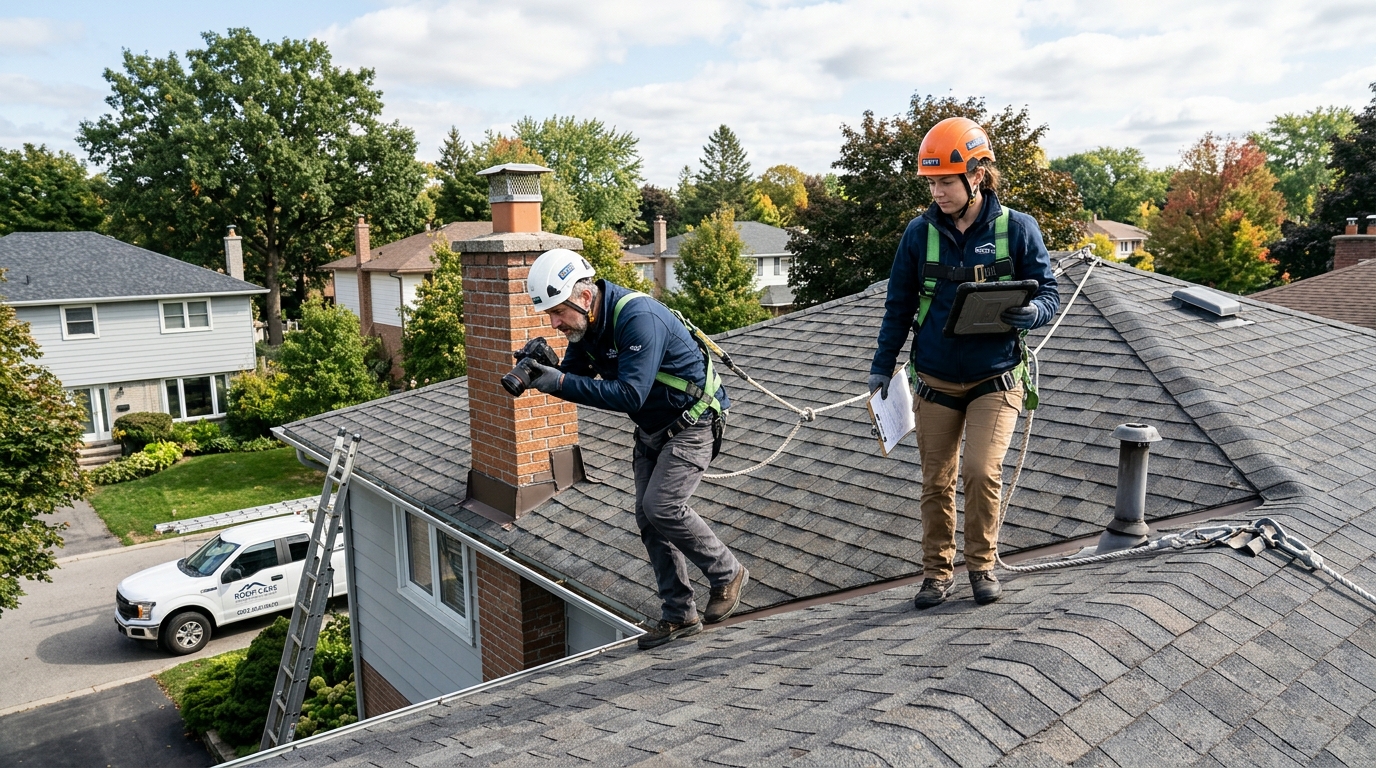
Spotting the Technical Signs That Call for a Roof Repair Service
A roof rarely fails without warning. Small changes in the shingles, flashing, gutters or ceilings can reveal that water is finding a way past the roof’s outer layers, sometimes long before a…
Weekend projects
How to tell clean, gray and black water after an indoor flood
Knowing whether floodwater is clean, gray, or black changes how you respond. This guide explains the risks, inspection…

How to Calculate Roof Catchment and Downspout Capacity for Rain Gutter Maintenance
Accurate roof drainage planning starts with the roof catchment area, the horizontal surface that sends water toward a…
Home improvement
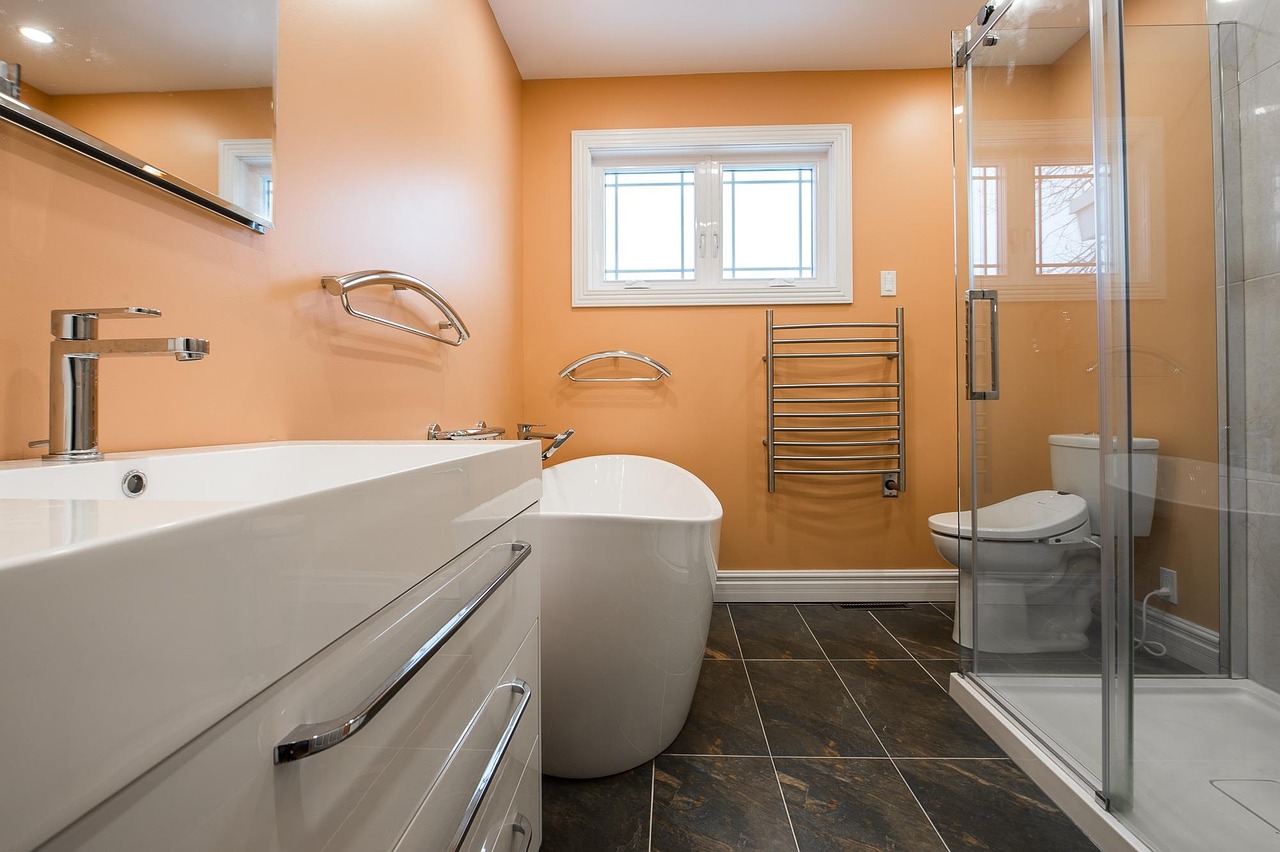
Bathroom Renovation Upgrades That Increase Comfort and Home Value
Transforming your bathroom can significantly elevate both your daily comfort and the overall value of your home. Whether you aim…

Custom-Made Skylights: Installation Factors for Better Natural Lighting
When it comes to enhancing natural lighting in our spaces, custom-made skylights play a pivotal role. Their installation can greatly…

5 simple moves to add 10 years to your furniture
Restoring and maintaining furniture can significantly extend its lifespan and preserve its beauty. By implementing a few simple moves, you…
More DIY ideas

The Best Web Agencies in Miami to Boost Your Business
Dale! In the Magic City, business moves at the speed of a cafecito from a corner ventanita. Between the Art…
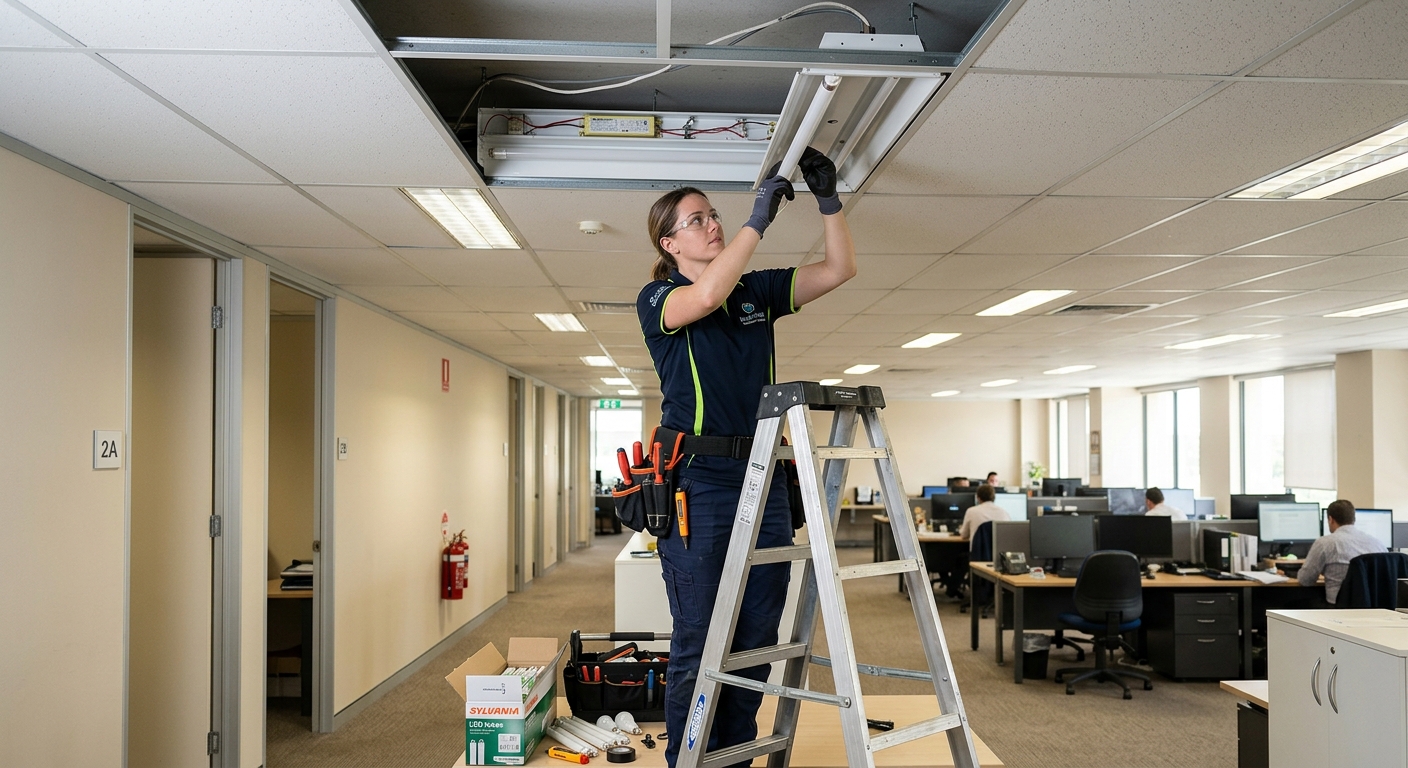
![Write a complete blog article based on the following title: **[Retrofitting to LED Services: Choosing Between Fixture Replacement and Lamp Conversion]**. The article must include an introduction, a main body of approximately 600 words, and a conclusion. ### 🔹 Introduction — Maximum 3 sentences Write an engaging and well-structured introduction of no more than three sentences. Each sentence must contain no more than 50 words. Briefly introduce the topic, spark the reader’s curiosity, and encourage them to continue reading. Do not use the word **“crucial.”** ### 🔹 Main Body — Approximately 600 words In the first paragraph, always include the main keyword or the specific subject discussed in the article. Structure the article using H2 and H3 headings, without overusing them. Start all H2 and H3 headings with the same type of word: a verb, noun, or adjective. Before introducing an H3, always add an introductory sentence under the corresponding H2 to provide context for the subsections. If an H2 is followed by only one H3, remove that H3 or add another H3 to maintain a balanced structure. The content must clearly address the search intent behind the title. Use natural transition sentences between sections to ensure a smooth and coherent reading experience. Vary vocabulary, sentence structures, verb tenses, and phrasing to avoid repetition and monotony. Before each bulleted list, always write one or more sentences that naturally introduce the list within the paragraph. Use bulleted lists only when relevant: – If each bullet point forms a complete sentence, start it with a capital letter. – If a bullet point ends with a colon, the text that follows must always begin with a lowercase letter. – Each bulleted list must contain at least three items. Do not add blank lines between the different sections, including the Introduction, H2 headings, H3 headings, and Conclusion. ### 🔹 Conclusion — Maximum 3 sentences Write a concise conclusion that summarizes the key points of the article in no more than three sentences. Each sentence must contain no more than 50 words. Encourage readers to consult a qualified professional in the relevant field, or visit an appropriate establishment such as a restaurant or bar, to receive personalized advice or specialized assistance. Maintain a tone consistent with the rest of the article. ### 🔹 General Requirements Ensure perfect grammar, spelling, punctuation, and syntax. Do not repeat ideas or information. Enrich the content with idiomatic expressions, figures of speech, and varied synonyms where appropriate. Use precise, natural English vocabulary and avoid unnecessary borrowed expressions or jargon. Keep acronyms and abbreviations in their original form. Never include prices, rates, or fees. Each sentence must contain no more than 20 words. Do not use passive voice. Use transition words occasionally to improve readability and flow. Always ensure that examples and references remain relevant to the topic. Never use the words **“crucial”** or **“impeccable.”** Use an informative and impersonal tone rather than a conversational one. Do not include case studies or fictional examples involving specific characters. Explain concepts in a general, neutral, and universally applicable way. The article must contain exactly **600 words**.](https://www.the-diy-blog.com/wp-content/uploads/2026/10/Gemini_Generated_Image_z1yg0nz1yg0nz1yg.jpg)
First Hour After a Burst Pipe in Southern California: Practical Steps for Homeowners
A burst pipe floods fast. This guide walks Rosemead-area homeowners through the critical first 60 minutes: stop the water, protect…

How Should a Pool Contractor Calculate Total Dynamic Head for Pump Sizing?
Total Dynamic Head translates a pool’s plumbing layout into the resistance a pump must overcome at a defined flow rate.…
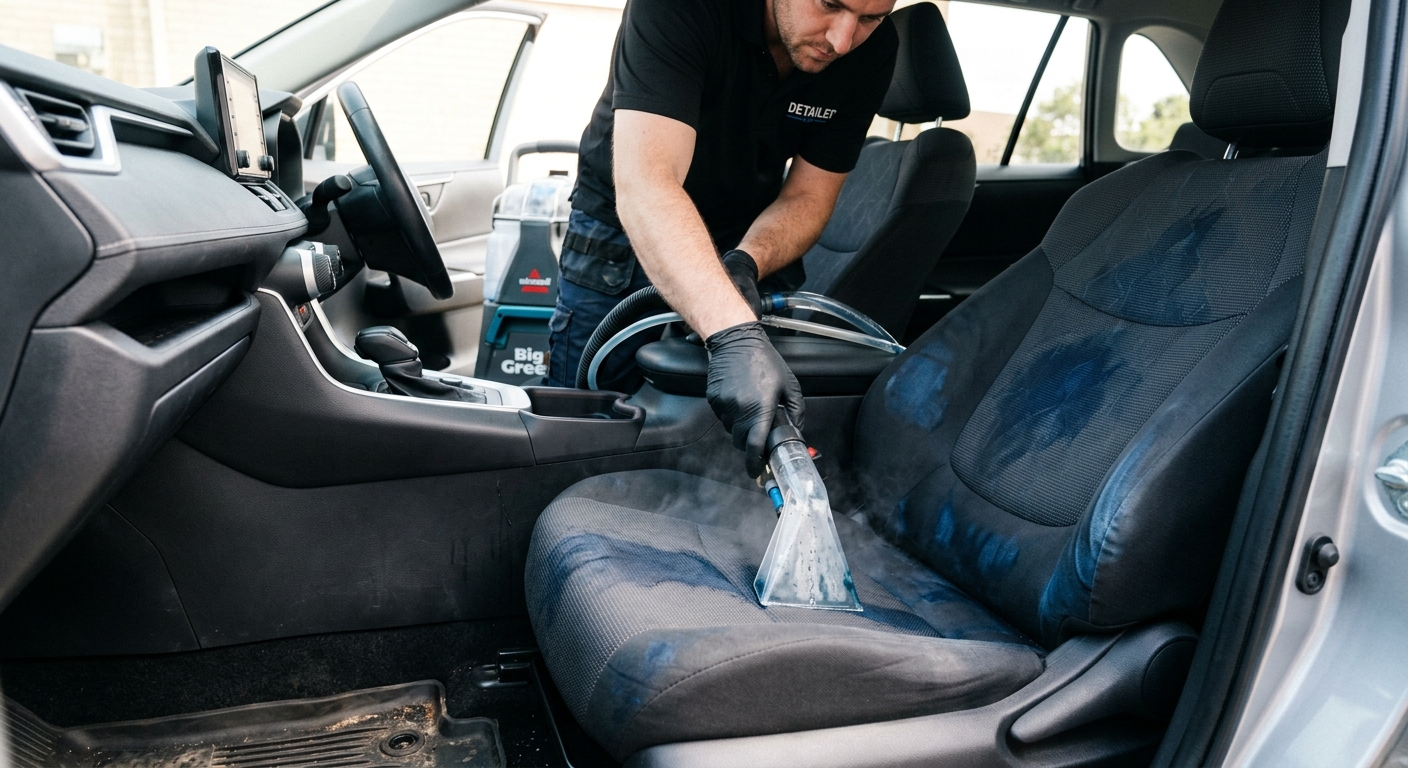
Which Hot Water Extraction Settings Lift Dye Stains in Car Interior Detailing?
Dye stains in car interiors demand a controlled approach: heat can help release some contamination, yet it can also set…

Which Paint Correction Stages Must Precede Ceramic Coating for Uniform Cross-Linking?
Uniform ceramic coating cross-linking begins long before an applicator touches paint. Contamination, polishing oils, and leftover defects can disrupt bonding…