
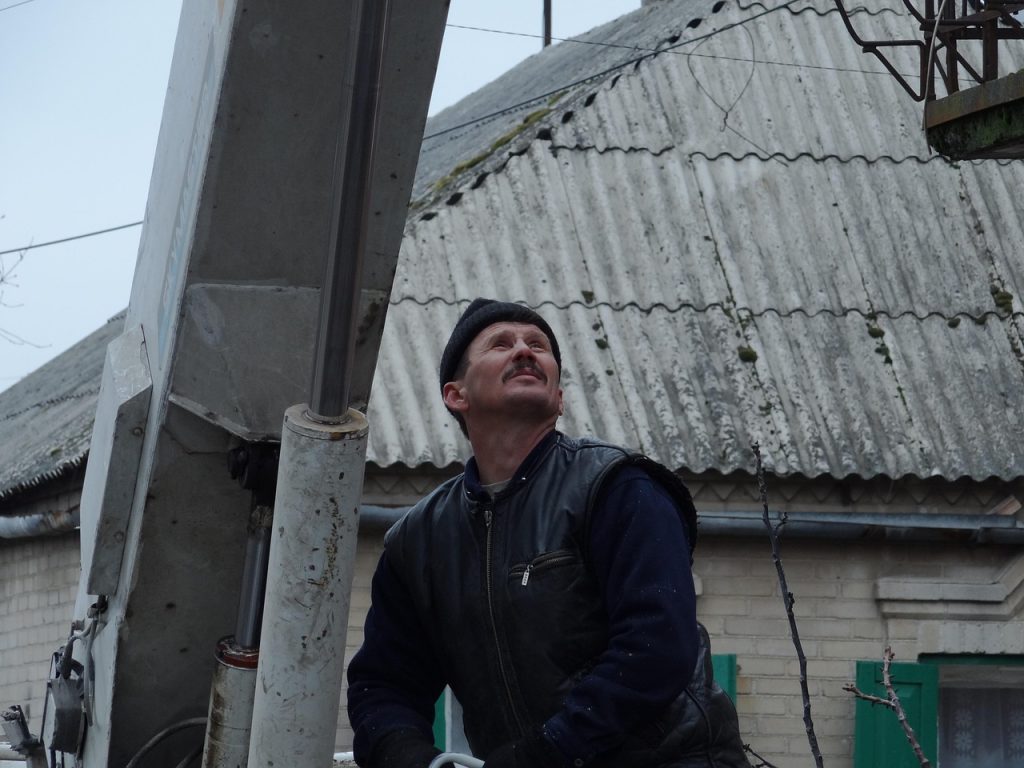
A roof does more than protect a building from rain, wind, and changing temperatures; it also plays a major role in maintaining the structure’s overall condition. While missing shingles are easy to spot, many roofing problems develop out of sight and can go unnoticed without a professional assessment. Understanding what roofing inspection services examine beyond visible damage helps property owners detect potential issues early and maintain a reliable roofing system.
Understanding the Scope of a Professional Roof Inspection
Roofing inspection services involve much more than checking whether shingles are intact. A comprehensive assessment examines the different components that contribute to a roof’s performance, weather resistance, and structural stability. Inspectors evaluate both visible surfaces and less accessible areas to identify deterioration, installation defects, and signs of water infiltration.
The inspection generally covers several interconnected elements that influence the roof’s ability to protect the building.
Examining Roofing Materials and Surface Conditions
Although missing shingles often attract immediate attention, other forms of material deterioration can compromise a roof just as significantly. Inspectors look for signs of aging, weather exposure, and physical damage that may gradually weaken the protective covering.
Common issues include:
-
Cracked or curling shingles: These conditions can indicate material deterioration and increase exposure to moisture.
-
Granule loss: Excessive granules accumulating in gutters may suggest that asphalt shingles are losing their protective surface.
-
Blistering and warping: Changes in the material’s shape can affect its ability to shed water effectively.
-
Loose or deteriorated flashing: Damaged metal components around roof openings and transitions can create entry points for water.
-
Moss and algae growth: Persistent organic growth can retain moisture and accelerate the deterioration of certain roofing materials.
Identifying these warning signs helps determine whether localized repairs or more extensive maintenance may be necessary.
Evaluating Flashing and Roof Penetrations
Flashing consists of protective materials installed around vulnerable roof areas, including chimneys, skylights, vents, and intersections between different roof sections. These components direct water away from openings and prevent it from entering the underlying structure.
During an inspection, professionals check for corrosion, separation, damaged sealant, improper installation, and gaps around penetrations. Even a small opening can allow rainwater to reach the roof deck, insulation, or interior ceilings. Inspectors also assess whether flashing remains properly integrated with the surrounding roofing materials.
Assessing Structural Integrity and Moisture Protection
A roof’s exterior condition does not always reveal what is happening beneath its surface. Structural components and moisture protection systems therefore receive particular attention during a thorough inspection. Their condition determines whether the roof can maintain its stability and resist long-term water damage.
Inspecting Roof Decking and Support Structures
Roof decking provides the foundation for the roofing materials, while rafters and trusses support the entire assembly. Damage to these components may develop gradually because of prolonged moisture exposure, excessive loads, or inadequate ventilation.
Inspectors look for visible signs of structural deterioration, such as:
-
Sagging roof sections that may indicate weakened support or excessive loading.
-
Soft or deteriorated decking associated with prolonged water infiltration.
-
Cracks, damaged connections, or deterioration affecting structural framing.
-
Signs of wood rot or fungal growth in areas exposed to persistent moisture.
Where accessible, these components may be examined from the attic to identify problems that cannot be detected from the exterior.
Detecting Water Infiltration and Hidden Leaks
Not every roof leak produces an immediate ceiling stain. Water can travel along structural elements before becoming visible inside the building, making its original entry point difficult to identify.
Professional inspectors examine attic spaces, roof decking, insulation, and ceiling areas for evidence of moisture. Discoloration, damp materials, peeling surfaces, musty odors, and visible mold growth can all indicate water intrusion.
Moisture detection equipment may also be used when conditions require further investigation. Identifying the source of infiltration allows appropriate repairs to address the underlying problem rather than simply treating visible interior damage.
Reviewing Ventilation, Drainage, and Insulation
Beyond the roofing materials and structural framework, proper airflow and water management contribute significantly to a roof’s durability. An inspection therefore considers how these systems work together to maintain suitable conditions throughout the roofing assembly.
Checking Attic Ventilation and Air Circulation
Adequate ventilation helps regulate attic temperatures and control moisture accumulation. Poor airflow can contribute to condensation, excessive heat, premature material deterioration, and reduced energy efficiency.
Inspectors assess the condition and distribution of ventilation components, including soffit vents, ridge vents, gable vents, and exhaust systems. They also check for obstructions caused by insulation, debris, or other materials that restrict airflow.
A balanced ventilation system should allow fresh air to enter and warmer, moisture-laden air to escape. The appropriate configuration depends on the building’s design, roof structure, and applicable building requirements.
Evaluating Gutters, Downspouts, and Water Drainage
An effective drainage system prevents rainwater from accumulating on the roof or flowing toward vulnerable parts of the building. Blocked or damaged gutters can contribute to water overflow, fascia deterioration, foundation moisture, and damage to exterior walls.
A professional inspection typically includes checking:
-
Gutters and downspouts: Their attachment, condition, alignment, and ability to carry water away.
-
Drainage pathways: Potential obstructions caused by leaves, branches, sediment, or accumulated debris.
-
Roof slopes and valleys: Areas where water naturally collects or flows in greater quantities.
-
Drainage outlets: Their ability to direct water away from the building’s foundation.
These observations help identify drainage deficiencies that could contribute to recurring moisture problems.
Identifying Environmental Damage and Maintenance Concerns
Roofs are continuously exposed to environmental conditions that can affect their performance over time. Wind, heavy rainfall, temperature fluctuations, falling branches, and prolonged sunlight may gradually weaken different components.
Professional inspections also consider external hazards and maintenance requirements that are not necessarily associated with missing shingles.
These assessments may include checking for:
-
Storm-related damage: Impacts, displaced materials, damaged flashing, and weakened roof sections following severe weather.
-
Tree-related risks: Overhanging branches, accumulated leaves, and physical damage caused by vegetation.
-
Pest activity: Openings or deterioration that could allow insects, birds, or rodents to enter roofing spaces.
-
Previous repair quality: Improperly installed replacement materials, inadequate sealing, or recurring defects.
-
General material aging: Signs that the roofing system is approaching the end of its expected service life.
The inspection findings help establish maintenance priorities and determine whether additional specialist assessments are required.
Conclusion
Roofing inspection services evaluate much more than missing shingles, covering structural integrity, flashing, moisture protection, ventilation, insulation, and drainage systems. Regular professional assessments help identify hidden defects before they develop into more extensive problems. Consulting a qualified roofing professional provides tailored recommendations to maintain the roof’s condition and protect the building over time.


