
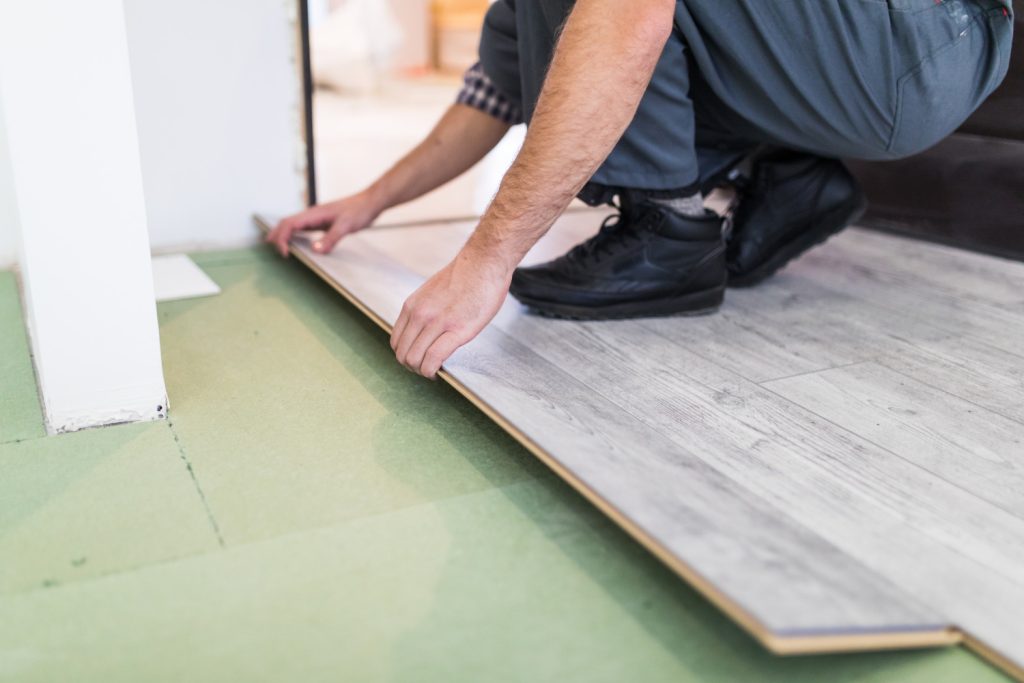
Vinyl plank flooring is coveted for its wood-like appearance and ease of maintenance. Yet, the allure fades rapidly if installation mistakes cause damage such as buckling, misalignment, or premature wear. These visible flaws often prompt clients to seek alternative providers. As a result, understanding contractor pitfalls, from initial subfloor prep to post-installation care, has never been more essential. By mastering the art of flawless vinyl plank installation, small contractors can safeguard their client relationships, boost referrals, and foster lasting success in an increasingly discerning market.
How Subfloor Preparation Errors Lead to Client Loss in Vinyl Plank Installations
Subfloor condition dictates the entire installation’s success. Many small contractors underestimate the importance of thoroughly preparing the subfloor, which often results in uneven flooring surfaces that quickly show wear or cause planks to shift. This foundational misstep is among the top vinyl plank installation mistakes that cost contractors clients in 2026, as uneven or damp subfloors accelerate flooring degradation and red flags for unhappy customers.
Subfloor errors typically arise from neglecting to remove debris, old adhesive, or failing to level the surface properly. For example, a contractor rushed to meet deadlines might overlook filling cracks or sanding down high spots, resulting in floors that feel soft or creak underfoot shortly after project completion. Clients, expecting a lasting finish, often interpret such flaws as reminders of poor workmanship, leading to complaints or the decision not to rehire the contractor for future work.
Practical installation tips include a step-by-step subfloor inspection: check for moisture with a hygrometer, clear all residues, and use leveling compounds where necessary. An experienced small contractor ensures the subfloor is flat within acceptable tolerances, effectively preventing plank warping and unsightly gaps.
To highlight, here is a comparison table outlining the impact of subfloor preparation quality on flooring longevity and client satisfaction:
| Subfloor Condition | Impact on Vinyl Flooring | Consequences for Contractor |
|---|---|---|
| Well-prepared, level, dry | Planks adhere properly, smooth surface, long lifespan | High client satisfaction and repeat business |
| Uneven, debris present, damp | Floor warping, plank lifting, early failure | Client complaints, loss of reputation, possible rework costs |
| Minimal preparation, skipped moisture test | Rapid deterioration, mold risk, visual defects | Contractor penalties, negative reviews, litigation risk |
Small contractors who prioritize subfloor readiness not only reduce the risk of vinyl flooring failures but directly contribute to client retention. This prevents costly mistakes before they even occur and demonstrates a commitment to quality that clients appreciate.

Acclimation and Measurement Mistakes Causing Installation Pitfalls for Small Flooring Businesses
Vinyl plank installation mistakes often stem from skipping or neglecting two fundamental preparatory steps: acclimating the planks and taking precise measurements. These missteps translate into costly contractor pitfalls, including gaps, buckling, or visible misalignment that clients quickly notice.
Plank acclimation allows the vinyl to adapt to room temperature and humidity, minimizing expansion or contraction issues after installation. Small contractors who skip the recommended 48-hour acclimation period risk seeing floors warp or pull apart soon after completing the job, eroding client trust. The environmental conditions of spaces like basements or kitchens, where humidity fluctuates, underscore acclimation’s importance.
Accurate measurements follow as the backbone of a flawless floor. Failure to account for irregular room shapes, doorways, and alcoves can result in wasted materials and imperfect fits that clients view as rushed work. The mantra “measure twice, cut once” remains essential: precise calculations ensure fewer cuts, smoother layouts, and fewer returns or complaints.
Implementing a clear layout plan that staggers planks avoids monotonous repeating patterns and minimizes visible seams, reinforcing the overall durability and sophistication of the floor. Staggering should maintain at least a 6-inch offset between seams to mimic natural wood flooring patterns effectively.
- Allow vinyl planks to acclimate in the installation room for 48 hours, spread out to promote uniform exposure.
- Use laser measuring tools and create detailed floor plans to capture all floor dimensions, including irregularities.
- Start installation with full planks and use staggered rows to create a natural pattern emphasizing professionalism.
By ensuring proper acclimation and measurements, small contractors reduce common vinyl flooring errors that can lead to client loss, positioning themselves as experts in installation precision.
For those looking to enhance their flooring knowledge, detailed guides like those found on All Florida Carpet offer additional insights into avoiding common pitfalls that lead to client loss.


