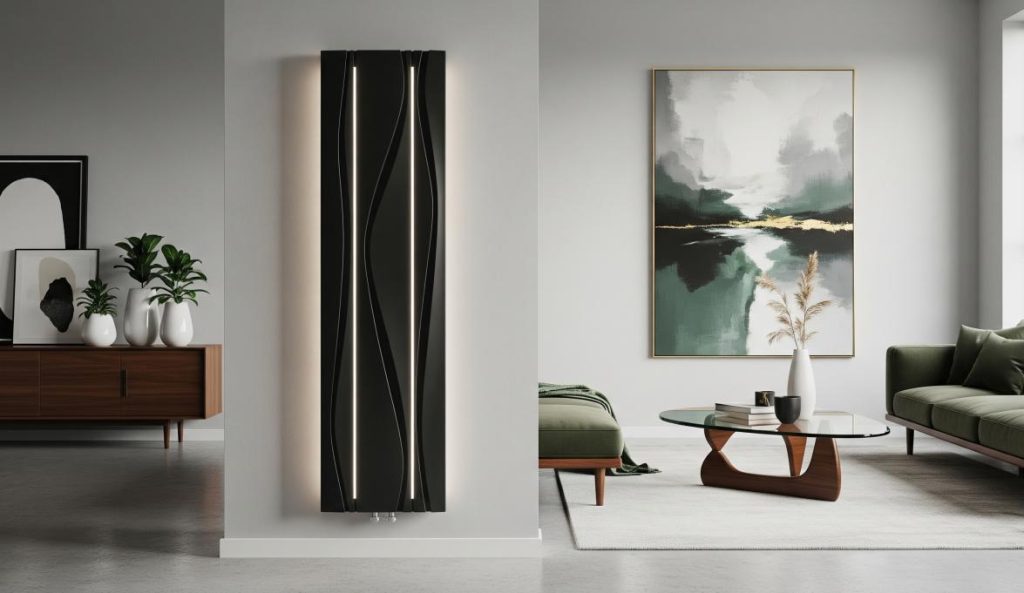
Custom radiators offer a unique blend of functionality and design, serving as both heating solutions and decorative elements in your home. Whether you own a vintage cast iron model or a sleek contemporary panel, radiators play a vital role in maintaining indoor comfort. But when performance starts to falter, the question arises: should you repair your radiator or invest in a replacement?
This guide will help you make an informed decision by evaluating condition, cost, efficiency, and design value.
Signs Your Radiator Needs Attention
Radiators, especially older or custom-built ones, can develop issues over time. Recognizing early warning signs is essential to prevent more serious problems.
Uneven Heating
If certain rooms feel colder than others or parts of the radiator remain cool while others heat up, it may indicate trapped air, internal blockages, or corrosion. These issues can compromise heating efficiency and comfort.
Leaks and Drips
Water pooling around the base of your radiator could signal a pinhole leak, faulty valve, or corrosion. While minor leaks may be repairable, persistent or widespread leakage often points to deeper structural damage.
Rust and Surface Deterioration
Visible rust or flaking metal on the radiator’s surface or connections can affect both performance and appearance. Severe corrosion typically suggests internal degradation and may warrant replacement.
Unusual Noises
Banging, clanking, or hissing sounds can be caused by trapped air, sludge buildup, or pressure imbalances. These noises are more than just annoying, they may indicate underlying mechanical issues.
Repair vs. Replace: What to Consider
Several factors influence whether repairing or replacing your custom radiator is the better option.
1. Age and Condition
Custom and antique radiators can last for decades with proper care. However, older units may become inefficient or difficult to service due to discontinued parts.
-
Repair: Ideal for newer or well-maintained radiators with minor issues.
-
Replace: Recommended for units over 30 years old that frequently malfunction.
2. Design and Aesthetic Value
Some radiators are integral to your home’s character. If your unit has historical or architectural significance, restoration may be preferable to preserve its unique charm.
3. Heating Efficiency
Modern radiators are engineered for better energy performance. If your current unit struggles to heat effectively, upgrading could improve comfort and reduce utility costs.
4. Cost Implications
-
Repair: Fixes like valve replacement, bleeding, or descaling are generally more affordable.
-
Replace: May be more economical long-term if repairs are frequent or if energy savings are a priority.

When Repair Is the Right Choice
Consider repairing your radiator if:
-
Issues are minor (e.g., airlocks, valve faults, surface rust).
-
You want to preserve a distinctive or antique design.
-
Replacement parts are readily available and reasonably priced.
-
Your central heating system is functioning well overall.
When Replacement Is the Smarter Move
Replacement may be the better option if:
-
The radiator is severely corroded or leaking extensively.
-
It continues to underperform despite multiple repairs.
-
Replacement parts are obsolete or difficult to source.
-
You’re renovating and want a more efficient or modern unit.
Get a Professional Evaluation
 Custom radiators can be complex, and a professional assessment is often invaluable. A qualified plumber or heating engineer can:
-
Inspect for internal blockages or pressure issues.
-
Evaluate system performance and energy efficiency.
-
Advise whether repair is feasible or replacement is more practical.
Deciding whether to repair or replace your custom radiator involves balancing functionality, cost, aesthetics, and long-term value. Minor problems can often be resolved with simple repairs, especially if the radiator contributes to your home’s character. But when damage is extensive or efficiency is compromised, replacement may offer better reliability and performance.
Whichever route you choose, regular maintenance is key to extending the life of your radiator and keeping your home warm, efficient, and inviting.
Contact D&D Radiator Service for expert guidance and high-quality service!
https://www.youtube.com/watch?v=DDnJkaLi1fw


