
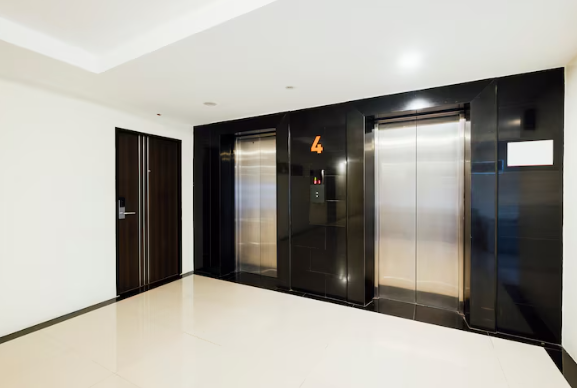
Elevator modernization is more than just a facelift; it’s a strategic investment that enhances safety, efficiency, and performance. In the face of increasing operational demands, updating elevators ensures they meet today’s standards and prolongs their operational life. As buildings evolve, so too must the equipment that serves them, prompting the need for well-planned upgrades.
Understand Elevator Modernization: Key Components That Extend Lifespan
Elevator modernization encompasses a wide range of upgrades aimed at improving the performance and reliability of these critical systems. By focusing on essential components, managers can significantly enhance safety and extend the service life of elevators.
Assessing Existing Systems for Modernization Potential
Before embarking on modernization, it is vital to assess the current state of the elevator system. This evaluation includes:
- Age of the Equipment: Older systems may not comply with current building codes.
- Usage Patterns: Understand how frequently the elevator is used to determine the extent of necessary upgrades.
- Technical Conditions: Diagnosing specific issues, such as performance slowdowns or increased service calls.
Critical Upgrades for Lifespan Extension
Modernization can involve various upgrades to enhance performance and safety. Common upgrades include:
- Controller Systems: Replacing outdated controllers can revolutionize elevator operation through improved energy efficiency and reliability.
- Door Operators: High-performance door systems address common failure points, boosting speed and safety.
- Safety Features: Integrating advanced safety technology ensures compliance with updated regulations and enhances occupant safety.
Enhance Safety and Compliance with Modern Upgrades
Elevators have stringent safety regulations that must be adhered to—modernization ensures compliance with the latest standards and reduces the risk of accidents. Older systems often lack essential safety features that can be updated during modernization.
Implementing Advanced Safety Features
Investing in updated safety features can prevent accidents and ensure the lift operates smoothly. Key components to consider include:
- Governor Tensioners: Essential for preventing overspeed during operation.
- Emergency Brakes: Upgrading these systems is necessary for security, preventing unwanted movement.
- Pit Buffers: Protect the elevator car from impacts during emergencies.
Meeting Regulatory Compliance with Upgrades
Compliance with safety regulations is not optional; it’s a legal requirement. Modernizing components guarantees adherence to standards such as A17.1, ensuring that your elevator meets current safety expectations.
Boosting Efficiency and Reducing Operational Costs
As operational costs continue to rise, modernizing equipment can significantly mitigate these expenses. An efficient elevator system leads to faster service, reduced energy consumption, and fewer repair issues.
Increasing Elevator Efficiency
Upgrading to energy-efficient components can transform system performance. The benefits include:
- Lower Energy Consumption: New technologies help curb operational costs over time.
- Shorter Wait Times: Enhanced traffic flow means faster service for building occupants.
- Improved Ride Quality: Smoother operations lead to a better experience for users.
Long-term Cost Savings Overview
By implementing a structured modernization approach, property managers can achieve significant savings, including:
| Cost Category | Before Modernization | After Modernization |
|---|---|---|
| Energy Costs | High | Low |
| Maintenance Costs | Frequent Repairs | Reduced Repairs |
| Service Downtime | High | Minimized |
Choosing the Right Path for Elevator Modernization
The decision of whether to modernize or fully replace an elevator system hinges on several factors, including the age of the equipment and the specific needs of the building. For many systems, strategic upgrades can yield similar benefits without the high costs associated with a complete replacement.
Evaluating the Need for Complete Replacement
In some cases, a full system replacement may be necessary. Key indicators include:
- Structural Integrity: Assessing if the existing framework is sound enough for modernization.
- Technological Compatibility: Older systems may not accommodate modern technology.
- Cost Considerations: Sometimes, full replacement offers a more sustainable long-term solution.
Consulting Professionals for Tailored Solutions
Engaging with experts in elevator modernization can provide the insights needed to make informed decisions. They can assess the current system, recommend specific upgrades, and optimize costs.
For property managers in 2026, understanding the nuances of elevator modernization is key to maintaining operational efficiency and safety standards. Upgrading not only extends the lifespan of essential equipment but also enhances overall building performance.
Explore tailored solutions with Peak Elevator to enhance your elevator systems and keep operations running smoothly.


