
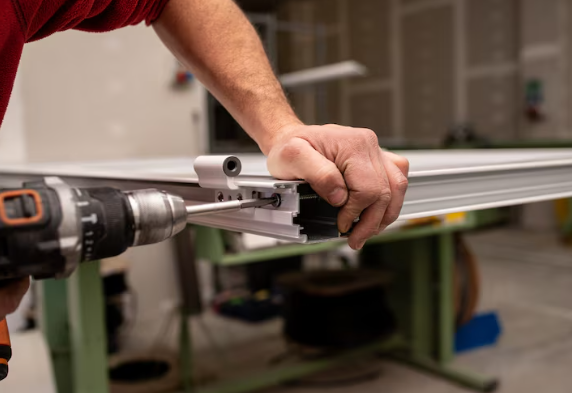
Every homeowner knows that a well-sealed door not only adds to the energy efficiency of a home but also enhances its comfort level. Inadequate installations can lead to pesky drafts, which can significantly impact heating and cooling costs. This guide outlines critical measurements and steps to ensure your door fits snugly, preventing unwanted gaps.
Understand the Importance of Accurate Measurements
Getting the door measurements right is fundamental to preventing gaps and drafts. Accurate dimensions ensure a seamless fit between the door, frame, and threshold. This section explores the essential parameters to measure before installation.
Measure the Door Frame Dimensions
To start, take the time to measure the door frame accurately. Here are the critical measurements to focus on:
- Width of the door frame at the top, middle, and bottom.
- Height of the frame at the left, center, and right.
- Depth from the outer edge to the inner side.
These measurements should help you identify the largest values, ensuring that the door will not be too small for the frame. An ill-fitted door can compromise insulation, allowing drafts and moisture to enter.
Assess the Gap Between the Door and Frame
Even after obtaining accurate measurements, gaps can still occur. Identifying existing gaps is essential to address them effectively. Here’s how to gauge the gap and ensure a draft-free environment.
Conducting a Gap Inspection
Check for gaps around the door frame and beneath the door using the following steps:
- Close the door and inspect visually for any daylight visible through the edges.
- Run your hand along the edge to feel for air drafts.
- Use a candle or incense stick to detect drafts more sensitively; note any flicker indicating airflow.
Maintaining awareness of these factors can direct you toward the right adjustments and sealing techniques, making your home more comfortable.
Selecting Appropriate Sealing Materials
Based on the measurements and inspections you’ve completed, choosing the right sealing materials is imperative. The following options have proven effective at blocking gaps and drafts.
Different Types of Weatherstripping
When it comes to sealing gaps, consider these weatherstripping types:
- Foam tape: Ideal for small gaps (less than 1/8 inch).
- Vinyl weatherstripping: Suitable for medium gaps (1/8 to 1/2 inch).
- Door sweeps: Perfect for larger gaps under the door.
Selecting the right material not only ensures a better seal but also extends the lifespan of your door’s functionality.
Installing the Door for an Optimal Fit
The installation process itself is pivotal for attaining a snug fit. This segment discusses the steps to install your door efficiently.
Prepare the Door Frame and Hanging Process
Follow these steps to achieve optimal alignment and functionality:
- Ensure the door frame is square and level before hanging the door.
- Adjust the hinges by checking the alignment regularly while installing.
- Use a level to confirm that the door swings properly without binding.
These steps are vital for minimizing gaps and enhancing the door’s security and energy efficiency.
Regular Maintenance Checks for Long-Term Performance
After installation, periodic checks guarantee the longevity of your door’s effectiveness against drafts. Here’s what to monitor:
Inspect and Repair as Necessary
Maintain your door by following these preventative measures:
- Annually inspect weatherstripping for wear and replace as needed.
- Check the hinges for signs of rust and ensure they remain lubricated.
- Examine the door frame for cracks or gaps and seal them promptly.
By keeping an eye on these elements, you can significantly prolong the lifespan of your door while maintaining energy efficiency year-round.
Conclusion
Taking the time to measure accurately and select ideal materials will lead to a well-sealed door that protects against drafts. Consult a professional if you need advanced guidance. For more information on weatherproofing solutions, visit J&K Innovate.


