
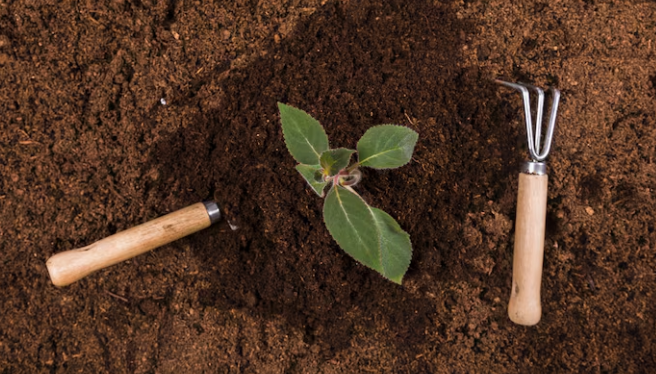
Ensuring the quality of organic topsoil before large-scale delivery is vital for successful gardening and landscaping. The right topsoil not only nurtures plants but also plays a significant role in the entire ecosystem of your garden. Knowing how to test topsoil quality can save time, money, and resources.
Understand Topsoil: The Heart of Your Garden
Topsoil is the dark, nutrient-rich layer where most plant roots thrive, typically about 30 cm deep. It’s essential for providing water, air, and nutrients to plants. Consequently, understanding what constitutes good topsoil is the first step to ensuring that your garden remains lush and healthy.
Identify Characteristics of Good Topsoil
Several features indicate quality topsoil that supports healthy plant growth. Recognizing these elements will help you make informed decisions when sourcing topsoil.
- Color: Good topsoil should be dark brown or black, indicating high organic matter content.
- Texture: A quality topsoil feels crumbly and granular, allowing for good drainage and aeration.
- Presence of Organic Matter: Look for the inclusion of decomposed leaves, compost, or earthworms, all signs of a healthy ecosystem.
Evaluate Soil Composition: Testing Methods
Once you have a grasp on what good soil should look like, it’s time to evaluate the composition using various testing methods. This will help you determine the soil’s suitability for your intended gardening projects.
Conduct a Ribbon Test
The ribbon test is a simple yet effective DIY method for gauging soil texture. Here’s how to perform it:
- Moisten a small ball of soil and roll it between your fingers.
- Attempt to form a ribbon. The length and texture can indicate whether the soil is sandy, clayey, or loamy.
Perform a Jar Test
This more accurate method requires just a jar and your soil sample:
- Fill a jar one-third full with soil and top it with water.
- Shake the jar vigorously and let it sit for 24 hours.
- Observe the settled layers: sand at the bottom, silt in the middle, and clay at the top.
Assess Nutrient Levels: Chemical Testing
Beyond physical characteristics, the nutrient profile of your topsoil is essential for plant health. Various tests can determine the nutrient levels present in the soil.
Utilize Soil Test Kits
Soil testing kits are widely available and can analyze key nutrients such as:
- Nitrogen: Essential for leafy growth.
- Phosphorus: Important for root development and flowering.
- Potassium: Crucial for overall plant health and disease resistance.
| Nutrient | Function | Optimal Range |
|---|---|---|
| Nitrogen | Leafy growth | 15-30 ppm |
| Phosphorus | Root and flower development | 10-20 ppm |
| Potassium | Overall health | 100-200 ppm |
Finding Quality Topsoil Suppliers
Knowing how to test organic topsoil quality is only part of the equation; sourcing from reputable suppliers is equally important. A reliable supplier will provide topsoil that meets specific standards, ensuring that your garden truly flourishes.
Look for Certifications
When sourcing topsoil, consider looking for suppliers that offer:
- BS3882 Certification: This indicates compliance with British Standards for topsoil quality.
- Organic Status: Organic topsoils absorb carbon and boost sustainability.
- Quality Assurance: Suppliers should provide insights into their soil testing methods and results.
Avoid Cheap Alternatives
While it might be tempting to opt for cheaper topsoil, keep in mind that low-cost options often compromise quality. Look out for:
- Materials that appear grey or contain debris.
- Unpleasant odors indicating contamination.
- Unverified product backgrounds.
Plan Your Purchasing Needs
Accurately measuring your topsoil needs can ensure you have enough for your gardening schemes. Use these guidelines:
- For lawns: Aim for a depth of 10-15 cm.
- For raised beds: Depth should be around 20-30 cm.
- For border improvements: 15-20 cm is optimal.
Choosing high-quality organic topsoil is essential for creating a healthy and productive garden. By checking its color, texture, organic matter, nutrient content, and overall composition, you can avoid unsuitable materials and ensure better conditions for plant growth. Testing the soil before a large delivery also helps you invest in a product that meets the specific needs of your landscaping project. For reliable topsoil and professional guidance on selecting the right soil for your garden, Forestry Inc.can provide quality solutions suited to your requirements and help you plan your delivery with confidence.


