
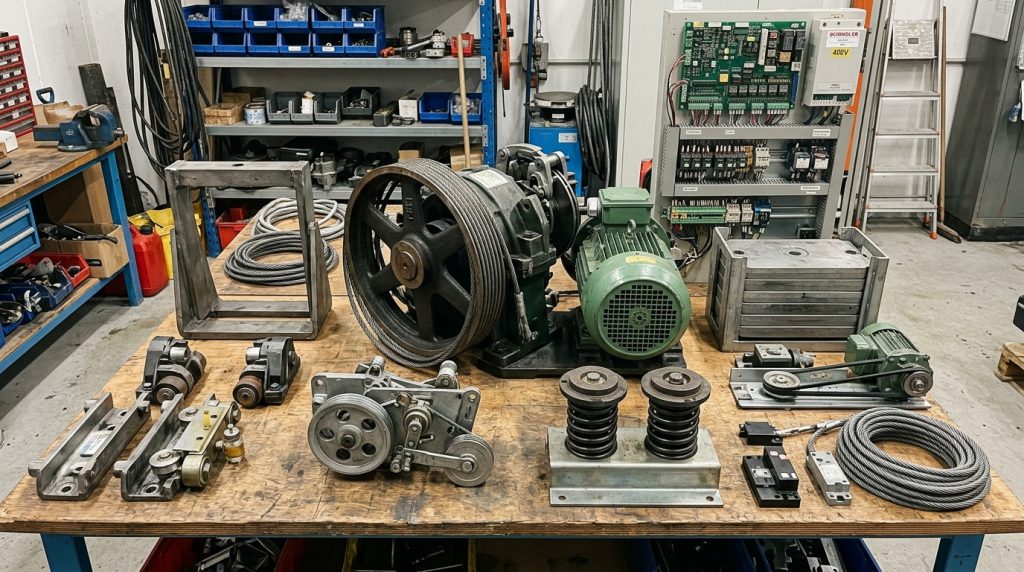
As building owners gear up for 2026, the urgency of elevator modernization becomes palpable. A wave of new safety regulations, stemming from the ASME A17.1/CSA B44 Safety Code, necessitates a thorough evaluation of elevator systems. Upgrading critical components not only ensures compliance but also enhances safety and reliability, providing peace of mind in an increasingly regulated environment.
Understanding Elevator Modernization and Compliance Needs
The essence of elevator modernization lies in adhering to evolving safety codes while also enhancing operational efficiency. Building owners must focus on specific components that, when upgraded, align with safety regulations and improve user experience. This involves a detailed assessment of existing systems and planning updates to maintain optimal functionality.
Identifying Key Elevator Components to Upgrade
To achieve a seamless modernization process, several elevator components should be prioritized for upgrading. These include:
- Control Systems: Modern controllers improve operational efficiency and can facilitate integration with smart building technologies.
- Door Equipment: Upgrading door operators enhances safety and reduces malfunction risks, ensuring timely operation in emergencies.
- Safety Devices: Current code mandates require enhanced safety devices that actively monitor and mitigate risks to passengers.
- Car Interiors and Landing Fixtures: Updated fixtures contribute to overall aesthetics while ensuring compliance with accessibility standards, such as those outlined in the ADA.
Complying with ASME A17.1-2025 Regulations
The adoption of ASME A17.1-2025 introduces new requirements that all building owners must familiarize themselves with. Compliance with this code is not merely a checklist exercise; it deeply impacts safety and operational reliability.
Ready for Inspection: Maintaining Compliance Files
Regular inspections are a backbone of elevators’ operational integrity. Building owners should maintain comprehensive compliance files to ensure readiness. This includes:
- Current Elevator Permit: Regular checks on the validity of elevator permits prevent potential compliance issues.
- Inspection and Test Records: Detailed documentation of past inspections and tests highlights an elevator’s maintenance history.
- Violation Corrections: Prompt resolution of any noted violations strengthens compliance and enhances safety.
Addressing Emergency Communication Systems for Safety Compliance
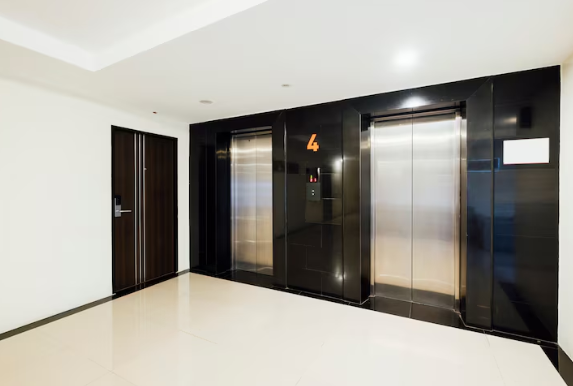
Emergency communication systems form a critical part of compliance for elevators. Building owners must evaluate the existing systems and consider necessary upgrades that comply with the latest standards.
Key Features for Emergency Communication Systems
Effective emergency communication systems must provide reliable and accessible communication options. Important features to consider include:
- Two-Way Communication: Ensuring that elevator cars have a functioning two-way communication system for passengers in distress.
- Accessibility for All: Systems should accommodate passengers with disabilities, following guidelines set forth by the Access Board and ASME A17.1.
- Testing and Documentation: Regular testing and maintaining meticulous records of the communication systems guarantee ongoing compliance.
Integrating Accessibility Features in Elevators
Another critical concern during modernization is ensuring that elevators meet ADA compliance. This not only supports legal requirements but also fosters an inclusive environment for all users.
Key Aspects for ADA Compliance Upgrades
When updating elevators, focus on specific aspects that enhance accessibility:
- Button Heights and Reach: Ensuring that all controls are at accessible heights for individuals with disabilities.
- Tactile and Braille Markings: Essential for guiding visually impaired passengers safely to their destination.
- Clear Communication Signals: Notifications should be both audible and visual to cater to all passengers’ needs.
Maximizing Long-term Benefits through Targeted Modernization
Elevator modernization is not just about compliance; it’s an opportunity to enhance service quality and performance. Choosing the right components for upgrades can significantly reduce long-term operational costs and improve tenant satisfaction.
| Component | Importance of Upgrade | Potential Benefits |
|---|---|---|
| Control Systems | Align with the latest operational standards | Increased efficiency and reduced downtime |
| Door Equipment | Meet safety regulations | Enhanced safety and reduced liability |
| Safety Devices | Comply with updated codes | Improved passenger safety and confidence |
For building owners looking to align with updated safety codes while enhancing user experience, it’s vital to strategize effectively during elevator modernization projects. Engaging with a specialized service provider, like Peak Elevator, can streamline the process of sourcing the necessary components and ensuring compliance.


