
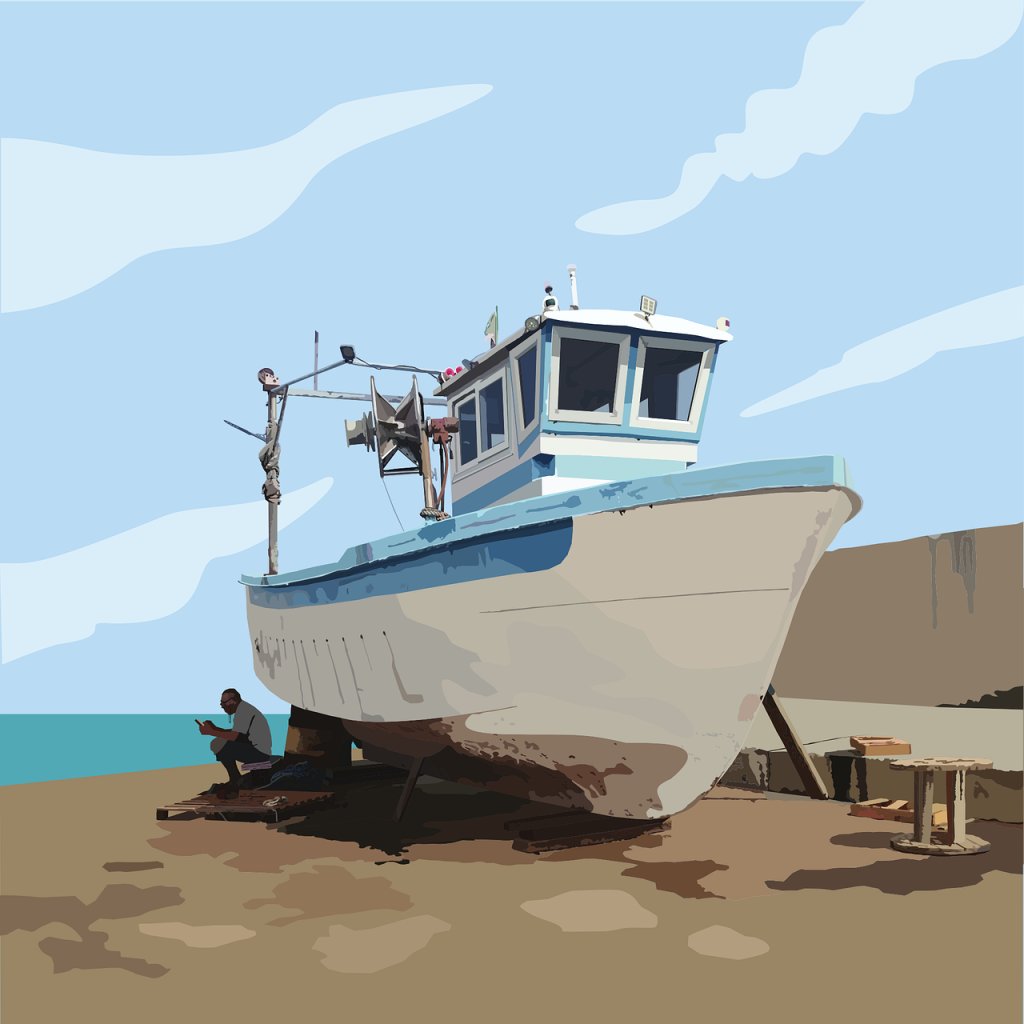
A boat’s propulsion system relies heavily on the condition of its shaft. Even minor damage can trigger vibration, reduce fuel efficiency, accelerate wear on surrounding components, and compromise overall performance. Whether caused by impact, corrosion, misalignment, or prolonged use, shaft problems should never be ignored. Effective boat shaft repairs not only restore smooth operation but also help maintain proper alignment throughout the drivetrain.
This article explores the most common repair methods used to bring damaged shafts back to optimal condition and ensure reliable performance on the water.
Why Boat Shaft Alignment Matters for Performance
The shaft serves as the critical link between the engine and the propeller. When it is properly aligned, power is transferred efficiently, minimizing mechanical stress and energy loss. However, even a slight deviation can create a domino effect of problems.
Common symptoms of shaft misalignment include:
- Excessive vibration while underway
- Unusual noise from the propulsion system
- Increased wear on bearings and seals
- Reduced fuel efficiency
- Premature failure of drivetrain components
Addressing these issues early can prevent costly repairs and extend the lifespan of the vessel’s mechanical systems.
Common Causes of Boat Shaft Damage
Before selecting a repair method, technicians must identify the root cause of the problem. Several factors contribute to shaft deterioration:
| Cause | Potential Impact |
|---|---|
| Grounding or collision | Bent shaft, imbalance |
| Corrosion | Surface pitting and material loss |
| Bearing wear | Increased shaft movement |
| Engine movement | Alignment issues |
| Fatigue over time | Cracks and structural weakness |
Determining the source of damage is essential because repairing the symptom without correcting the underlying cause is like patching a leak while ignoring the hole beneath the waterline.
Boat Shaft Repair Methods That Restore Alignment
Different repair techniques are used depending on the severity and nature of the damage.
Shaft Straightening for Bent Boat Shafts
One of the most common repair procedures involves straightening a bent shaft. Specialized equipment measures the degree of deviation before controlled pressure is applied to restore the shaft’s original geometry.
This process requires precision. Excessive force can weaken the metal, while insufficient correction may leave residual vibration. When performed correctly, shaft straightening can significantly improve propulsion efficiency and reduce drivetrain stress.
Precision Machining and Surface Restoration
Wear, scoring, and corrosion often damage shaft surfaces over time. Precision machining removes imperfections and restores critical dimensions.
Technicians may use:
- Lathe machining
- Grinding processes
- Polishing techniques
- Surface refining procedures
The objective is to achieve a smooth finish that allows bearings, seals, and couplings to operate correctly. A well-restored surface reduces friction and helps maintain proper alignment throughout the propulsion system.
Welding and Metal Build-Up Repairs
When shafts experience localized wear or material loss, welding techniques can rebuild damaged sections. After the metal is added, the shaft is machined back to its required dimensions.
This method is particularly useful when replacing the entire shaft would be unnecessarily expensive. However, it demands careful control of heat input to avoid distortion that could affect alignment.
Advanced Alignment Techniques After Shaft Repairs
Repairing the shaft itself is only part of the equation. Alignment verification is equally important.
Laser Shaft Alignment
Modern marine maintenance often relies on laser alignment systems. These tools provide highly accurate measurements and help technicians identify even minute deviations between the engine, coupling, and shaft.
Benefits include:
- Greater measurement accuracy
- Faster diagnostics
- Reduced vibration levels
- Improved fuel economy
- Lower maintenance costs
Laser alignment has become a cornerstone of high-quality shaft repair work because it eliminates much of the guesswork associated with traditional methods.
Bearing and Coupling Inspection
A perfectly repaired shaft can still perform poorly if associated components remain worn or damaged.
During the repair process, technicians typically inspect:
- Bearings
- Couplings
- Seals
- Mounting hardware
- Engine supports
Replacing worn components helps ensure the entire propulsion assembly functions as a cohesive system rather than a collection of mismatched parts.
Preventing Future Shaft Alignment Problems
Repairing damage is important, but prevention remains the best strategy. Routine inspections can identify early warning signs before major issues develop.
Effective maintenance practices include:
- Monitoring vibration levels regularly.
- Inspecting bearings and seals during service intervals.
- Checking alignment after impacts or grounding incidents.
- Protecting metal surfaces from corrosion.
- Conducting periodic shaft runout measurements.
Like keeping a ship on a steady course, consistent maintenance helps avoid unnecessary detours into costly repair territory.
Boat shaft repairs play a vital role in restoring propulsion efficiency, reducing vibration, and preserving drivetrain reliability. From shaft straightening and precision machining to welding restoration and laser alignment, modern repair methods provide effective solutions for a wide range of damage scenarios. By combining expert repairs with proactive maintenance, vessel owners can maximize performance, extend equipment life, and enjoy smoother, more dependable operation on the water. For professional solutions tailored to these needs, consider the services offered by Norseman Boatyard.


