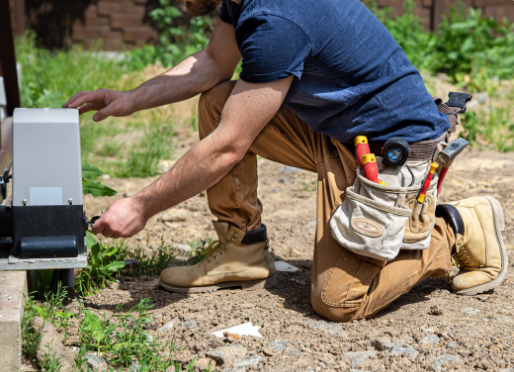
For professionals working with sewer systems, understanding the PSI requirements for sewer jetting based on pipe diameter is crucial for effective maintenance and cleaning. The right pressure not only enhances the efficiency of the cleaning process but also minimizes the risk of damage to the pipes. Technicians need to be well-versed in these specifications to ensure that they are using the appropriate jetting equipment tailored to the size of the pipes they are servicing. This knowledge can result in improved operational safety, enhanced service quality, and longer-lasting infrastructure.
Understanding Sewer Jetting
Sewer jetting is an essential maintenance technique in which high-pressure water is used to clear blockages in pipes. This method is favored for its effectiveness in cleaning the interior of sewer lines, ultimately prolonging the lifespan of plumbing systems. However, to achieve the best results, it’s crucial to understand the PSI requirements tailored specifically by the diameter of the pipes involved.
PSI Explained: What You Need to Know
Pressure per square inch (PSI) refers to the pressure exerted by the water jet during the sewer cleaning process. The right PSI level is paramount, as it ensures optimal cleaning without damaging the pipe’s integrity. As a technician, knowing how to match the PSI to the pipe diameter is fundamental in executing jobs safely and efficiently.
Factors Affecting PSI Requirements
Several key elements influence the desired PSI for sewer jetting, including:
Pipe Material: Different materials can withstand varying pressure levels.
Type of Blockage: Grease, debris, or roots can require different pressure settings.
Pipe Age: Older pipes may be more susceptible to damage.
Knowing these factors helps technicians select the appropriate settings for each job.
Recommended PSI Levels by Pipe Diameter
Below is a guide to optimal PSI requirements based on common pipe diameters:
Pipe Diameter (inches)
Recommended PSI
Typical Applications
2
1,500 – 2,000
Residential drainage lines
3
2,000 – 2,500
Commercial waste lines
4
2,500 – 3,500
Municipal sewer systems
6
3,500 – 4,500
Storm drains
8
4,500 – 5,000
Heavy industrial applications
Choosing the Right Equipment
Having the correct equipment is crucial for successful sewer jetting jobs. The following points should guide technicians in their selection:
Pressure Washer: Ensure it can reach the required PSI based on pipe diameter.
Nozzle Types: Different nozzles deliver water at varying angles and force—choose wisely.
Hose Length: Longer hoses can reduce pressure; hence, it’s advisable to minimize unnecessary lengths.
Keeping these tips in mind will help technicians use their equipment more effectively, leading to better outcomes in cleaning operations.
Safety Considerations
Worker safety should never be overlooked while performing sewer jetting. Here are essential safety protocols technicians should follow:
Protective Gear: Always wear gloves, goggles, and protective clothing.
Inspection: Check equipment for defects or wear before use.
Emergency Protocols: Be prepared for potential hazards and know how to respond.
Maintaining safety through proper preparations ensures that sewer jetting tasks are performed efficiently and without incident.
Final Thoughts on PSI Requirements
Navigating the world of sewer jetting requires an understanding of the relationship between PSI and pipe diameter. By following the guidelines presented, technicians can significantly enhance their effectiveness in tackling blockages, while ensuring the integrity of the plumbing system is preserved. Always remind your team to adapt their techniques based on site-specific factors, and stay informed about industry best practices.
If you are looking to streamline your sewer jetting operations, consider connecting with A-Team Plumbing Services, where you can find specialized products and services tailored to meet your professional needs.
Furthermore, for very large pipes over 10 inches, pressures can exceed 4000 PSI, depending on the specific requirements of the job. Understanding the characteristics and conditions of the pipes being serviced is paramount. Each job is unique, thus requiring technicians to assess and adjust the PSI accordingly to maximize effectiveness while ensuring safety.