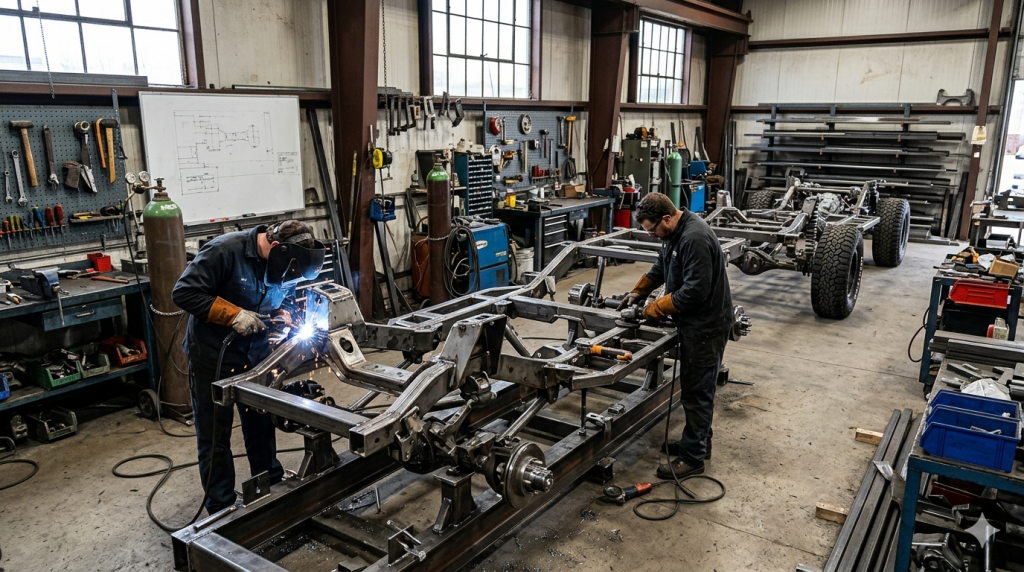
In the realm of off-road fabrication, the choice between
chromoly and
mild steel for chassis tubing is a topic that often ignites passionate discussions. Each material boasts proven performance and widespread use, yet the effectiveness of either depends significantly on specific applications and conditions.
Chromoly, known for its
exceptional strength-to-weight ratio, is favored in high-performance settings, while
mild steel offers attributes that align closely with practicality and adaptability for many builders. As enthusiasts navigate the intricate balance between
durability,
serviceability, and
fatigue life, understanding the nuances of these materials is key to making informed decisions in off-road chassis construction.
Understanding the Material Choices: Chromoly and Mild Steel
When it comes to
off-road chassis tubing, the debate between
4130 chromoly and
mild steel is often a hot topic. Both materials have extensive applications in various fabrication projects, yet they come with distinct pros and cons. The choice between the two depends not just on the material itself but on how it will be utilized in the real world.
Why Choose Chromoly?
4130 chromoly has gained significant traction in performance-driven applications due to its excellent
strength-to-weight ratio. When meticulously engineered, chromoly can withstand the rigors of off-road challenges while remaining lightweight.
Key Advantages of Chromoly
- Exceptional Strength: Chromoly is incredibly strong, which allows builders to construct lighter parts without compromising durability.
- Fatigue Resistance: When designed optimally, chromoly provides outstanding fatigue life, crucial in high-stress environments typical in off-road scenarios.
- Precision Performance: Chromoly components excel when stresses are precisely managed, making it a favorite for high-performance applications.
Insights into Mild Steel Applications
Despite not receiving the same level of acclaim as chromoly,
mild steel remains a viable option, especially in
DIY fabrication and for custom builders. Its reliability makes it a popular choice across various skill levels.
Why Mild Steel is Preferred by Many Builders
- Wider Working Window: Mild steel allows for more flexibility during fabrication, accommodating imperfections better than chromoly.
- Impact Behavior: The material typically offers predictable reactions to impacts, which is crucial in uncertain off-road conditions.
- Easy Repairability: When parts made from mild steel bend or break, repairs can be straightforward, making it easy for builders to adapt their designs.
Comparing Fatigue and Strength
One of the most critical aspects in off-road fabrication is understanding how components perform under varying conditions. While chromoly is known for its ultimate strength, it’s essential to focus on
fatigue life—the characteristic that often determines the longevity of components under real-world stress.
The Role of Fatigue in Material Selection
Factors affecting fatigue life include load cycles and the nature of stresses applied. Most situations in off-road contexts involve repeated, smaller stressors rather than singular catastrophic failures.
Your choice between chromoly and mild steel should also reflect how you expect your parts to react over time. Chromoly shines in precisely controlled stress environments, whereas mild steel often excels when subjected to unpredictable loads.
Welding Considerations: Chromoly vs. Mild Steel
Welding techniques vary significantly between these two materials.
Chromoly welding requires meticulous attention to detail, including consistent heat input and an accurate fit-up. If these parameters aren’t precisely managed, chromoly may not exhibit its full potential.
Mild Steel Welding Flexibility
Mild steel welding is generally more forgiving, providing builders with a broader margin for error. This flexibility can be a game-changer, especially for those working on iterative designs or one-off parts that may require adjustments down the line.
Deciding Between the Two: A Builder’s Philosophy
Ultimately, the choice between chromoly and mild steel reflects your approach to fabrication. Chromoly favors optimization, focusing on lightweight and strength, while mild steel tends to prioritize
durability and
repairability. Each material caters to different philosophies and project requirements.
Real-World Applications and Scenarios
Experienced builders often choose materials based on their intended application, skill level, and practical factors such as
serviceability and anticipated loads. For many, using mild steel is not a compromise but a strategic decision rooted in experience and practical considerations.
Whether you’re pushing the limits of performance with chromoly or opting for the robust reliability of mild steel, the material choice will define your project’s success in the off-road world.
If you’re eager to explore high-quality fabrication materials suited to your needs, connect with
Dennis Brothers Welding and Fabrication for expert insights and product offerings tailored to your projects.