
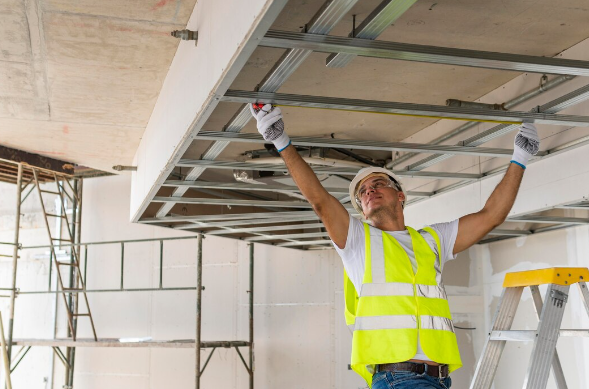
When it comes to commercial drywall, one of the most critical considerations is the thickness of the panels used, especially in environments where fire safety is paramount. Choosing the right panel with the appropriate fire rating can significantly impact the safety and compliance of a building. Different projects necessitate different fire resistance levels, and understanding the nuances of drywall thickness is essential for architects, builders, and contractors alike. By making informed decisions, you can ensure that your structure meets safety regulations while also optimizing performance and durability.
Understanding Fire Ratings in Drywall
Fire ratings refer to standardized measures that dictate how long a building material can withstand exposure to flames and heat. For commercial applications, where the consequences of fire can be catastrophic, selecting the right drywall is more than just a matter of compliance; it’s about protecting lives and property.
Types of Fire-Rated Drywall
Fire-rated drywall comes in several thicknesses, each suited for different applications:
- 5/8” Drywall: This is the most commonly used thickness for fire-rated applications. It offers a minimum of one-hour fire resistance, making it ideal for commercial buildings.
- 1/2” Drywall: While not typically fire-rated, it can be used in specific assemblies alongside fire-rated materials to achieve acceptable resistance levels.
- Specialty Boards: These include products designed specifically with enhanced fire-resistant qualities, often made with unique minerals or additives.
Each type provides varying levels of protection based on the structure’s requirements. For instance, a wall that separates two business offices might need a different fire rating than one enclosing a mechanical room. Assessing building codes is essential, as these regulations dictate the necessary specifications for drywall thickness and fire ratings.
Choosing the Right Thickness for Your Project
The choice of drywall thickness should align not only with necessary fire ratings but also construction goals and budget.
Performance Characteristics of Drywall Thicknesses
When deciding on drywall thickness, consider the following performance characteristics:
| Thickness | Typical Fire Rating | Common Uses |
|---|---|---|
| 5/8” | 1 hour | Commercial walls, ceilings |
| 1/2” | Non-rated | Residential or non-critical areas |
| Specialty Boards | Varies | High-risk areas, mechanical rooms |
It’s evident that for structures requiring stringent safety measures, opting for the 5/8” drywall is crucial. It not only meets the necessary fire rating but also balances soundproofing and durability needs of commercial environments.
Additional Considerations for Fire Safety
Beyond the thickness, numerous factors can affect the overall fire resistance of a drywall assembly:
- Installation Quality: Proper installation is key to achieving fire rating specifications. Gaps or incorrect joints can compromise fire safety.
- Supporting Structures: Ensure that framing members are adequately spaced to support the drywall installations without compromising the fire rating.
- Additional Fire-Resistant Materials: Consider using fire-blocking treatments, which can enhance overall safety and effectiveness.
For instance, the use of paint protection film on surfaces that may come in contact with flames can offer an added layer of defense.
Consulting with Professionals
When in doubt about the appropriate drywall thickness for fire safety, seeking advice from experienced contractors or architects can save both time and money. They can provide insights into the most effective materials suited for your project’s specific requirements, ensuring that all safety standards are met.
In conclusion, understanding the nuances of commercial drywall thickness and its implications on fire ratings is crucial for any successful building project. Whether you’re looking to revamp your space or construct from the ground up, ensuring your choices align with fire safety regulations protects more than just your investment.
Choose wisely, and remember that the safety and comfort of your building depend on it. For expert guidance, Niagara Drywall Contractor provides top-notch resources to help you navigate these choices effectively.
The installation of fire-rated drywall can also impact the overall cost and labor involved in a project. While thicker panels might demand a higher initial investment, the durability and safety they provide can lead to long-term savings by minimizing the risks associated with fire hazards. Additionally, investing in high-quality, fire-rated drywall can potentially lower insurance premiums, as they represent a commitment to safety and compliance.
Another consideration is the compatibility of the chosen drywall thickness with other components of the building structure. Proper insulation, framing, and finishing must be aligned with the drywall’s fire rating to ensure that the entire system functions effectively in fire situations. Ultimately, selecting the appropriate commercial drywall thickness not only adheres to legal standards but also contributes significantly to the safety and integrity of the building as a whole.


