
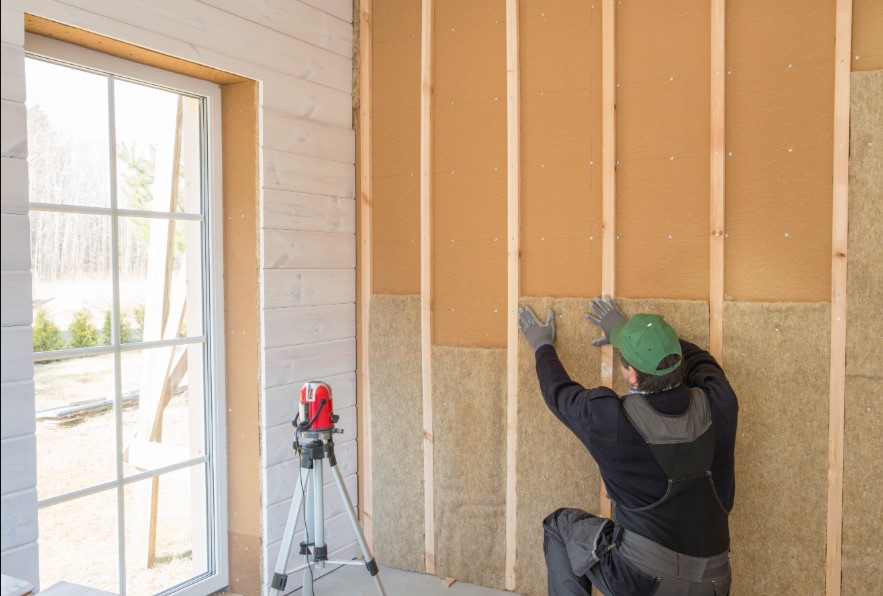
Looking to slash your energy bills and create a more comfortable living space? One of the smartest ways to achieve both is by enhancing your home’s interior insulation. Proper insulation regulates indoor temperatures year-round, making your home warmer in winter and cooler in summer without the hefty heater or air conditioner running constantly. In this article, you’ll discover practical, budget-friendly insulation methods designed to keep your energy costs down quickly.
The Importance of Interior Wall Insulation
Interior wall insulation is a highly effective strategy for reducing heat loss, especially in older homes with solid brick walls or uninsulated cavities. It not only keeps the warmth inside during cold months but also helps block unwanted sound between rooms. Understanding the impact of insulation on your home’s comfort and energy consumption sets the stage for smart upgrades that pay off rapidly.
Before diving into your options, it’s key to recognize how insulation performance is measured by R-values. Higher R-values indicate better thermal resistance, meaning less heat escapes your home. Most UK homes, for example, have walls with an R-value ranging from about 0.5 to 0.9 without added insulation. For a noticeable difference, aim for insulation materials that bring the R-value above 1.8, ensuring effective heat retention.
Below is a concise look at common wall types and their insulation capabilities:
| Wall Type | Approximate R-Value | Typical Insulation Improvement |
|---|---|---|
| Bare brick + plasterboard | 0.5 – 0.8 | Low thermal resistance |
| Brick with 25mm air cavity (uninsulated) | ~0.9 | Slightly better but still insufficient |
| Brick + insulated foam board (50mm+) | 2.0 – 3.0 | Good heat retention with added insulation |
From here, you can better plan what to add to your walls or which DIY projects to tackle. Let’s explore some affordable and practical options next.
Affordable and Efficient Insulation Products for DIY Projects
Choosing the right insulation product depends on your budget, wall structure, and desired performance. Many affordable options deliver solid R-values and are user-friendly for homeowners willing to roll up their sleeves.
Here are some popular choices and their typical use cases:
- Thermal liners like Wallrock ease installation and suit renters or quick upgrades.
- EPS Foam boards such as Jablite EPS70 work well behind plasterboard or cladding.
- PIR foam boards like Celotex GA4000 deliver excellent thermal performance for full wall renovations.
- Mineral wool batts (Rockwool) offer thermal and soundproofing benefits, ideal for timber studs.
- Reflective multifoil insulation (EcoQuilt) reflects radiant heat; perfect for thin walls or radiant heat control.
To give you a clearer picture, here’s a product comparison table highlighting R-values, cost, and recommendations:
| Product | Approximate R-Value | Cost per m² | Best For |
|---|---|---|---|
| Wallrock Thermal Liner | 0.3 – 0.5 | £4 – £8 | Rental flats, easy retrofits |
| Jablite EPS70 Foam Board | ~0.9 | £6 – £12 | Behind plasterboard or cladding |
| Celotex GA4000 PIR Board | ~2.2 – 2.5 | £10 – £15 | High-performance wall upgrade |
| Rockwool Flexi Batts | ~2.2 | £5 – £10 | Stud walls, soundproofing |
| EcoQuilt Expert Multifoil | 1.5 – 2.0 | £8 – £12 | Thin walls, radiant heat control |
Many of these products are straightforward to install, and pairing options, like foam boards with reflective foil, can maximize energy savings. Now, let’s break down simple methods to incorporate these effectively.
Top Interior Insulation Techniques You Can Apply Quickly
Getting started with insulation doesn’t require professional help or full renovations. Even tackling one room or a single wall can yield appreciable energy savings fast. Here are the most practical DIY insulation methods using real products you can trust:
1. Thermal Wallpaper Liners
Thermal liners like Wallrock act as insulating wallpaper, enhancing wall warmth without structural changes. They’re ideal for renters or those unwilling to remove plasterboard. Installation involves applying glue and hanging the liner like wallpaper. While the R-value is modest, combining it with thermal paints can boost effectiveness.
2. Foam Board Installation
Polystyrene or PIR foam boards fit behind plasterboard or beneath drylining. They provide a substantial increase in thermal resistance and require cutting to wall size, then fixing with adhesive or battens. Foam boards like Jablite and Celotex are popular for their high efficiency per thickness, making them perfect for tight interior spaces.
3. Mineral Wool Batts for Stud Walls
Rockwool batts provide excellent insulation and also reduce noise transmission through walls. They’re breathable and fire-resistant, lending safety alongside warmth. Installation involves fitting the batts snugly between wall studs, then covering with plasterboard. Protective gear is advisable during handling due to fibrous texture.
4. Reflective Multifoil Layers
Multifoil insulation reflects radiant heat and is best installed with a small air gap to maximize performance. It’s lightweight and easy to staple or fix between battens or behind panels. EcoQuilt is a good brand option and suits homes where space is limited but radiant heat control is necessary.
Essential Tips and Quick Fixes to Boost Insulation Impact
Besides choosing the right insulation material, enhancing how it performs is key to fast energy savings. Here are a few practical considerations and fixes:
- Seal gaps: Use caulk or sealant around windows, doors, and wall joints to prevent air leaks before installing insulation.
- Combine materials: Reflective foils plus foam boards create an effective thermal barrier against heat flow and radiant heat.
- Add soft furnishings: Thick curtains and rugs further block heat loss after walls are insulated.
- Insulate key areas: Don’t overlook radiators, floors, and ceilings for additional comfort and savings.
Getting these basics right amplifies your insulation’s effectiveness and helps you see a quicker return on investment.
Ready to stop wasting energy and start saving money? Reach out to expert installers or trusted suppliers to explore the best insulation products for your home. Improving your walls today means enjoying lower heating costs and greater comfort tomorrow.


