
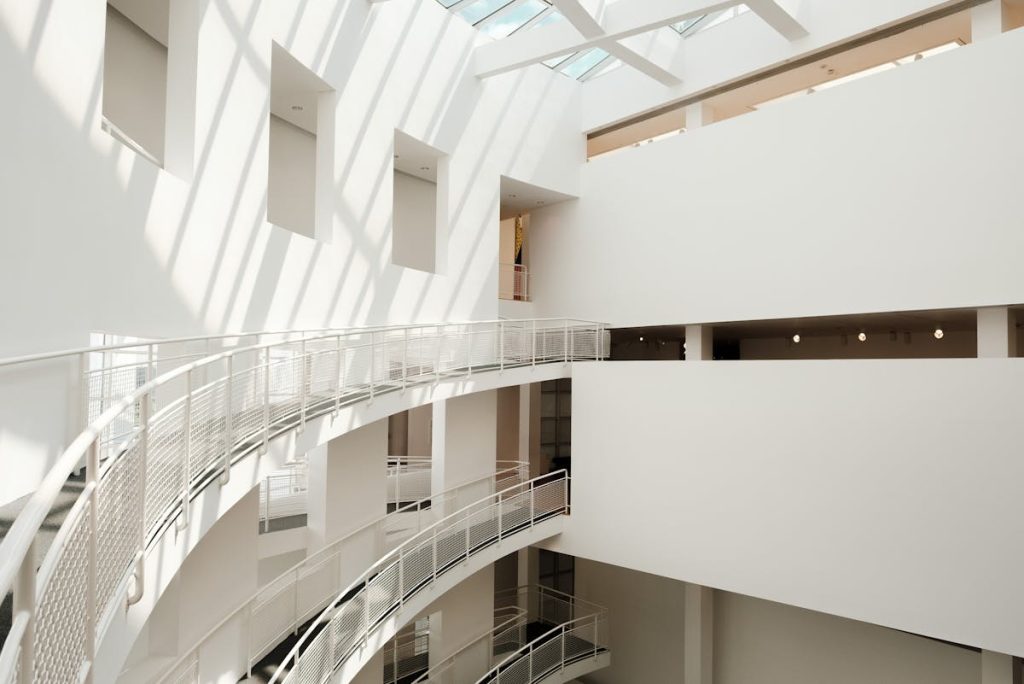
Skylights are a powerful way to bring natural daylight into your home and improve indoor comfort. They can visually expand spaces, reduce reliance on artificial lighting, and create a pleasant atmosphere. However, when sunlight is not properly controlled, it can quickly lead to overheating, glare, and higher energy bills. Choosing the right skylight strategies ensures you enjoy brightness without sacrificing comfort or efficiency.
Why Skylight Sunlight Can Become a Problem
Too much light through a skylight often creates issues homeowners do not anticipate. Instead of comfort, excessive exposure may disrupt daily activities and indoor temperature balance.
Excessive Heat Gain and Indoor Discomfort
When skylights receive direct sun for long periods, they can allow significant solar heat gain into the home. This often raises indoor temperatures, especially in summer, forcing air conditioning systems to work harder. Over time, this imbalance leads to higher energy use and reduced indoor comfort. According to the U.S. Department of Energy, uncontrolled skylights can contribute to noticeable heat buildup in warm climates.
Glare and Uneven Lighting
Beyond heat, intense sunlight can create harsh glare, particularly in living rooms, kitchens, or workspaces. This glare may make screens difficult to view and reduce the usability of certain areas during peak daylight hours. Instead of soft, diffused light, the room feels visually uncomfortable. Proper skylight planning helps avoid these lighting extremes.
UV Exposure and Interior Damage
Skylights that lack protective coatings may allow UV rays to penetrate indoor spaces. Over time, this exposure can fade flooring, furniture, and fabrics. While natural light is beneficial, long-term UV exposure can shorten the lifespan of interior finishes. Using appropriate glazing solutions reduces this risk significantly.
Smart Placement and Design Choices That Make a Difference
Before installing or modifying a skylight, thoughtful design decisions can prevent most sunlight-related problems. Placement and material selection play a major role.
Roof Orientation and Skylight Positioning
Skylights installed on north-facing roofs typically provide softer, more consistent daylight. In contrast, east- and west-facing skylights receive stronger sunlight at certain times of day, increasing glare and heat. Choosing the right orientation helps maintain balanced light throughout the year without excessive temperature swings.
Size, Angle, and Diffused Light
Oversized skylights often introduce too much direct sunlight into a space. Carefully sized units allow controlled illumination without overpowering the room. Adjusting the skylight angle or using diffusing glass helps spread light evenly and reduce bright hot spots. These subtle design choices have a noticeable impact on daily comfort.
Advanced Glazing Technologies
Modern skylights offer low-emissivity (low-E) coatings, tinted glass, and double or triple glazing. These features reduce heat transfer while preserving natural brightness. According to energy efficiency studies, high-performance glazing can significantly lower unwanted heat gain while improving year-round insulation.
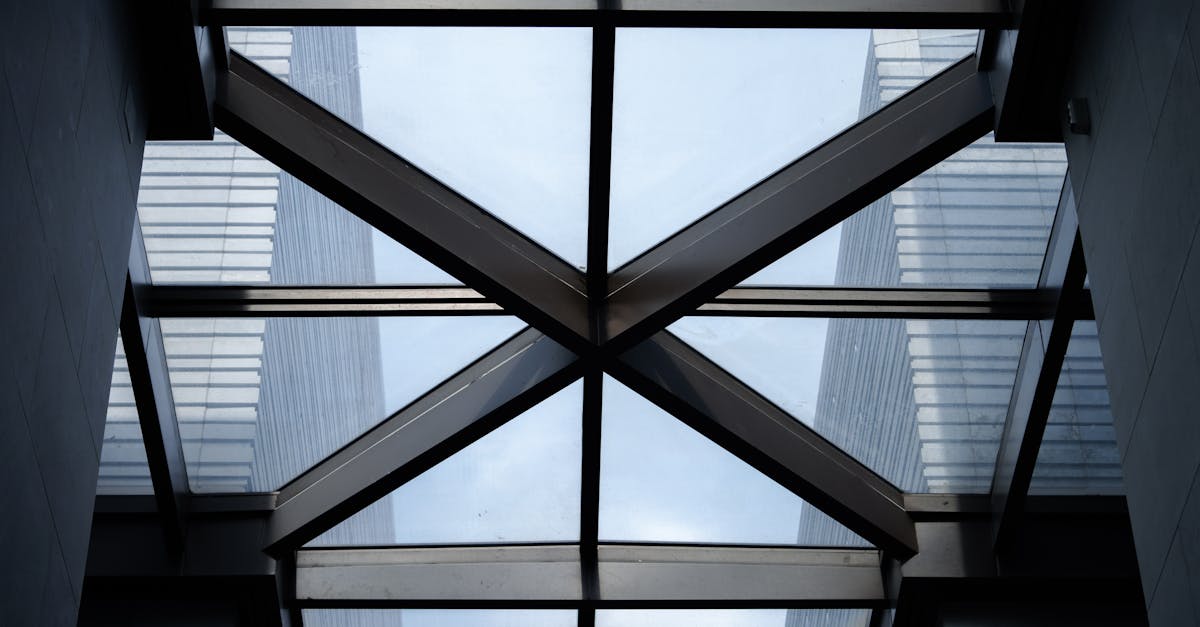
Shading and Solar Control Solutions That Work
Even well-designed skylights benefit from additional sunlight control. Shading solutions allow flexibility as weather and seasons change.
Interior and Motorized Skylight Shades
Installing skylight blinds or shades gives homeowners direct control over incoming light. These systems help reduce glare and indoor heat during peak sunlight hours. Motorized shades add convenience by adjusting automatically based on time, temperature, or sunlight levels, improving comfort without manual effort.
Exterior Shading and Structural Solutions
External shading options, such as awnings or architectural overhangs, block sunlight before it reaches the glass surface. This approach is particularly effective in warmer climates, as it limits heat gain at the source. Studies show that exterior shading can significantly reduce cooling demand during summer months.
Built-In Solar Control Features
Some skylights include integrated solar control technologies, combining glazing and shading into a single system. These solutions simplify maintenance and improve efficiency by regulating light and heat without compromising aesthetics. They are ideal for homeowners seeking low-maintenance performance.
Energy Efficiency and Long-Term Comfort Benefits
Managing sunlight effectively is essential for maintaining energy efficiency and indoor stability throughout the year.
Reducing Cooling and Heating Costs
Uncontrolled skylights can increase cooling costs in summer and heat loss in winter. High-performance skylights with insulated glazing reduce this exchange, helping maintain consistent indoor temperatures. The result is improved comfort and lower energy consumption over time.
Smart Systems and Automation
Pairing skylights with smart home technology enhances performance even further. Automated systems can adjust shades or ventilation based on outdoor conditions, optimizing both daylight and temperature. These solutions reduce energy waste while maintaining ideal lighting conditions indoors.
Skylights bring undeniable benefits, but too much sunlight can easily backfire without proper planning. Smart placement, efficient glazing, and effective shading solutions allow you to enjoy natural light without glare, overheating, or rising energy costs. By tailoring skylight strategies to your home’s orientation and climate, you create a balanced, comfortable living space year-round.
If your skylight lets in more sun than comfort allows, a specialized skylight or roofing professional can assess your setup and recommend tailored solutions. Investing in the right adjustments today ensures long-term comfort, energy efficiency, and lasting value for your home.


