
Dealing with stubborn tree stumps can be challenging when aiming for a flawless garden. These remnants not only affect the aesthetics but may also pose safety risks and attract pests. Understanding professional removal methods is essential to efficiently clear your outdoor space while preserving its natural beauty and safety.
Understanding the Challenges of Tree Stump Removal
Tree stumps can serve as stubborn reminders of past trees that once enhanced your outdoor space, yet now disrupt its charm. Left unattended, these remnants not only compromise your garden’s aesthetic but also pose safety concerns and invite pests. Addressing these obstructions requires strategic planning and professional knowledge to restore your landscape efficiently without collateral damage. Recognizing the available removal methods is a pivotal first step toward reclaiming your garden’s pristine condition.
Professional expertise and proper equipment significantly influence the success of stump elimination. Choosing the right approach ensures minimal disruption to your surroundings and preserves the integrity of nearby plants and structures. Whether removing one stump or several, understanding the nuances of each technique empowers you to select the optimal solution for your garden’s specific needs.
Stump Grinding: The Efficient, Preferred Choice
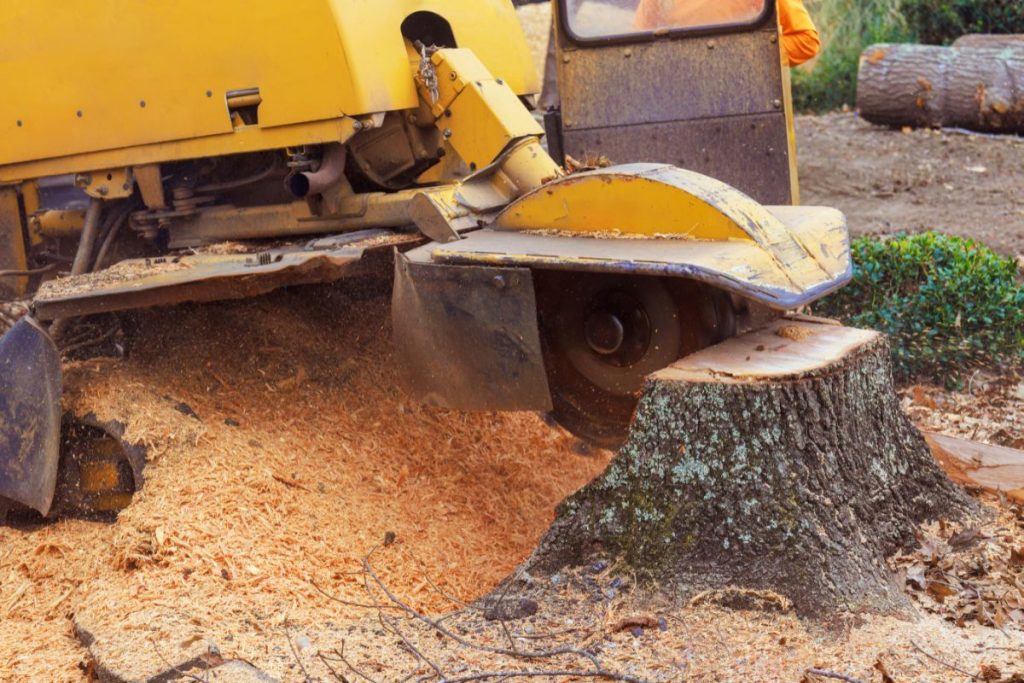
One of the most effective methods for clearing tree stumps is stump grinding, a process that rapidly transforms unwanted remnants into manageable organic matter. By using specialized grinding machinery equipped with rotating blades, professionals reduce stumps 6 to 12 inches beneath the soil surface. This not only eliminates visible stump portions but also many underlying roots, preventing regrowth.
This method is popular due to its minimal impact on surrounding landscapes and its environmentally friendly byproducts. The wood chips created serve as excellent mulch, improving soil health and landscaping aesthetics. Moreover, stump grinding is adaptable to all stump sizes, from diminutive sapling remnants to colossal hardwood bases.
Contracting expert services ensures the precise operation of grinding equipment, reducing risks and guaranteeing a thorough job. Compared to DIY methods, professionally performed stump grinding saves time and spares your lawn from excessive damage, making it a valuable investment for long-term garden maintenance.
Chemical Stump Removal: Patience Brings Results
Chemical treatment offers a less intrusive alternative to mechanical methods for those without immediate urgency. This approach accelerates natural decomposition by applying substances like potassium nitrate to drilled holes in the stump. Over weeks to months, the wood softens, easing manual removal or allowing nature to take its course.
This technique is especially suitable for smaller stumps or when homeowners prefer minimal physical exertion. It requires consistent monitoring and adherence to safety protocols to avoid hazards linked to chemical use. Shielding treated areas from pets and children is essential, and compliance with local environmental regulations is mandatory.
While this biological decomposition takes time, it distinctly avoids landscape disruption and noise, offering a quiet, albeit lengthier, solution for stump clearance. Supplementing treatment with physical tools after sufficient softening expedites the final removal phase.
Manual Excavation: Thorough but Demanding
Manual excavation remains a traditional yet effective approach for comprehensive stump extraction. This method involves physically digging around the stump and severing roots until the entire structure can be hauled out. It demands significant labor but ensures total removal, eliminating future sprouting risks and root-related issues.
The process requires essential tools such as shovels, root saws, and winches while observing strict safety measures to prevent injury. Accessible for medium-sized stumps and areas where heavy machinery won’t fit, manual excavation represents the resolve and diligence needed to fully rejuvenate your garden bed.
For larger projects or limited time, hybrid methods combining excavation with mechanical assistance may optimize outcomes. Proper assessment of the stump’s root system supports planning and budgeting, ensuring efficient resource allocation.
Method Comparison: Choosing the Right Option for Your Garden
| Method | Timeframe | Best For |
|---|---|---|
| Stump Grinding | 1-4 Hours | All stump sizes, immediate landscaping |
| Chemical Removal | 6-12 Months | Small stumps, low disturbance preference |
| Manual Excavation | Several Hours to a Day | Medium stumps, full root system removal |
Each technique exhibits unique advantages and constraints; your choice depends on urgency, labor capacity, and environmental considerations. Stump grinding suits those seeking swift solutions with minimal yard disturbance. Chemical methods appeal to patient gardeners prioritizing ease, while manual excavation guarantees complete removal when physical efforts are viable.
Efficient clearance of tree stumps requires balancing speed, labor, and environmental impact. Evaluating core professional approaches, such as stump grinding, chemical treatment, and manual excavation, enables homeowners to restore garden harmony with confidence. Selecting the right method aligns with property goals, safety standards, and aesthetic aspirations, setting the stage for a flawless outdoor sanctuary.
Contact a trusted tree service specialist today to obtain expert advice and tailored stump removal solutions, ensuring your landscape thrives without unwanted obstructions. Act now to reclaim your yard’s beauty with effective, safe, and prompt stump elimination.
https://www.youtube.com/watch?v=OJ1e-d4gX8A


