
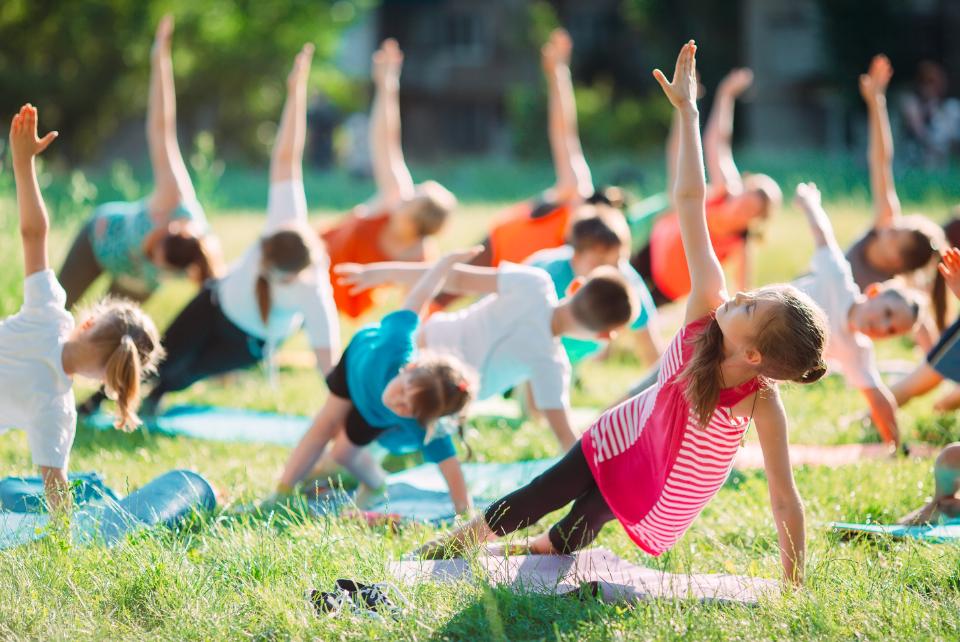
Getting kids moving and engaged in fitness is a fantastic way to promote lifelong health. However, starting a new fitness journey can be a tricky road filled with potential pitfalls like injuries and burnout. For parents eager to support their children, knowing how to navigate this path safely is a must.
Here’s a comprehensive guide packed with savvy tips to help young athletes embrace physical activity with confidence, all while staying injury-free.
Why Preparation is Key to a Safe Fitness Start
Kicking off a fitness routine without a solid foundation is like building a house on sand, it just won’t hold up. Preparation lays the groundwork for success by reducing injury risks and boosting performance. Smart preparation involves more than just enthusiasm. It means understanding the physical and mental demands of exercise and gearing up accordingly.
One essential step is ensuring your child has a thorough pre-participation physical exam. This exam uncovers any underlying health issues that might be aggravated by physical activity. It also helps tailor exercise plans to accommodate chronic conditions or previous injuries, making fitness both safe and effective.
Another essential aspect is mastering a proper warm-up routine before any activity. Warm-ups increase circulation and loosen muscles, preparing the body for movement and drastically cutting down injury chances. Teaching kids to include dynamic stretches and light aerobic movements sets a routine that protects them and enhances their workout.
Lastly, don’t overlook the vital role of a well-planned cool-down. Gradually easing out of exercise helps muscles recover and reduces soreness, keeping young athletes eager for the next session instead of sidelined by pain.
Navigating Training with Safety and Smarts
Once fitness routines are underway, keeping injury at bay requires ongoing care and wisdom. Young athletes often get swept up in excitement, pushing too hard or skipping rest, which can backfire fast. Here’s where parents act as guardians of their child’s wellbeing, guiding them to train intelligently and listen to their bodies.
One cornerstone of safe training is balancing ambition with adequate rest and recovery. Overtraining can lead to overuse injuries, like stress fractures or tendonitis, which significantly stall progress. Encouraging regular breaks and ensuring sufficient sleep empowers the body to heal and grow stronger.
Equipping children with the right gear also plays a pivotal role. Proper footwear, helmets, and protective padding tailored to the sport dramatically reduce the chances of injury. Keeping equipment in good repair and upgrading when necessary is a small effort with huge benefits.
Furthermore, cultivating an environment where kids feel safe admitting pain or discomfort helps catch injuries early. It’s essential to emphasize that pushing through sharp pain is not bravery but risk—a lesson that can save athletic dreams from getting cut short.
Building a Balanced and Fun Fitness Lifestyle
Beyond safety and technique, the joy of movement should shine through every workout. When kids associate exercise with fun and accomplishment rather than pressure or pain, they’re far more likely to adopt lasting healthy habits. Parents can play a big role in fostering this positive mindset.
Promote multi-sport participation and cross-training to keep things interesting and develop all-around strength and coordination. Trying different activities reduces repetitive stress on certain muscles and joints, guarding against specific overuse injuries. Plus, this approach helps kids discover their favorite sports, igniting passion instead of burnout.
Nutrition and hydration are superheroes behind the scenes too. A balanced diet rich in whole grains, lean proteins, and vibrant fruits and veggies fuels performance and recovery. Teaching proper hydration habits before, during, and after exercise prevents cramps and keeps energy levels steady, especially on hot days.
Lastly, maintain open communication with coaches and trainers. Keeping informed about training plans and injury protocols creates a safety net around your child. Active parental involvement ensures a supportive environment where kids can thrive physically and mentally.
Top Tips to Prevent Injuries in Young Athletes
Implementing a few smart strategies can make a huge difference in protecting young bodies as they get active. Here are some essential tips every parent should keep in their toolkit:
- Educate on injury signs: Help your child recognize symptoms like swelling, dizziness, or persistent pain and encourage immediate reporting.
- Focus on form: Emphasize quality over quantity—proper posture and controlled movements reduce strain and promote effective workouts.
- Gradually increase intensity: Avoid jumping into advanced exercises too quickly; build strength and endurance step-by-step.
- Schedule rest days: Recovery is part of progress, so incorporate active or full rest days to rejuvenate muscles and prevent burnout.
- Stay hydrated and nourished: Support your child’s energy needs with plenty of fluids and balanced meals for peak performance.
Recommended Weekly Training Structure for Young Athletes
| Day | Focus | Duration |
|---|---|---|
| Monday | Cardiovascular training (light jog or cycling) | 30-40 minutes |
| Tuesday | Strength and conditioning (bodyweight exercises) | 45 minutes |
| Wednesday | Rest or active recovery (yoga/stretching) | 20-30 minutes |
| Thursday | Skill practice (sport-specific drills) | 40-50 minutes |
| Friday | Cross-training (swimming or dance) | 30-40 minutes |
| Saturday | Team practice or game | 60-90 minutes |
| Sunday | Rest | – |
This schedule balances exertion and recovery, helping youngsters build fitness safely while moderating fatigue.
Initiating a fitness routine for children requires thoughtful planning, proper preparation, and continuous guidance. Prioritizing pre-exercise evaluations, warm-ups, and cool-downs sets a safe stage, while balanced training, proper equipment, and open communication guard against injuries. Encouraging variety, nutrition, and hydration builds a positive and sustainable fitness culture. By adopting these smart strategies, parents can help their young ones enjoy all the benefits of staying active, injury-free.
Set your child on a path to safe and enjoyable fitness. Reach out to specialized sports health professionals to create personalized plans that ensure protection and progress. Don’t wait—make injury prevention your top priority today!
https://www.youtube.com/watch?v=6j_9jxviVck


