
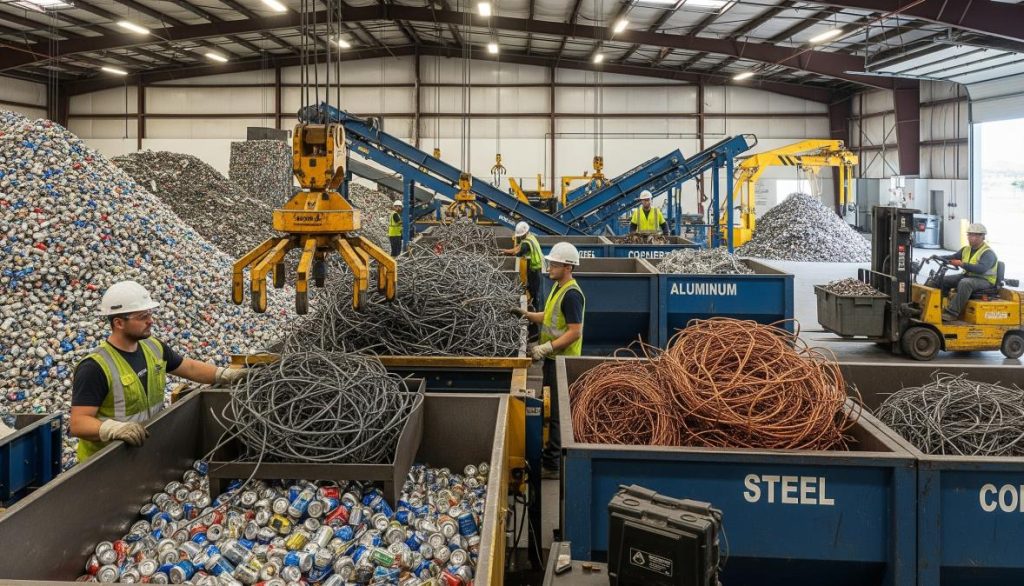
In a time when environmental concerns dominate global conversations, metal recycling stands out as a vital strategy for protecting our planet. Reclaiming metals such as aluminum, steel, and copper from discarded materials offers far-reaching benefits. These go well beyond reducing waste, they help conserve finite resources, lower energy consumption, and significantly cut harmful emissions. This article explores why metal recycling isn’t just a smart choice, it’s a necessary step toward a more sustainable future.
Environmental Benefits of Metal Recycling
The environmental impact of recycling metals is both measurable and transformative. From reducing the need for mining to preserving ecosystems, the process plays a key role in building a cleaner, more resilient world.
Conserving Natural Resources
Recycling metals s ignificantly reduces the demand for virgin raw materials. For instance, recycling steel in the United States saves around 74 million tons of iron ore annually, along with substantial amounts of coal and limestone. Aluminum recycling is even more impressive, reprocessing just one ton of aluminum saves approximately eight tons of bauxite ore.
By reusing scrap metals, we avoid the environmental destruction caused by extraction and mining. These benefits scale globally, reinforcing the importance of widespread recycling systems and responsible resource management.
Reducing Energy Consumption
The energy savings associated with metal recycling are substantial. Producing aluminum from recycled materials requires up to 95% less energy than manufacturing it from raw ore. Similarly, recycled steel uses between 60% and 74% less energy compared to primary steel production.
These efficiencies translate into billions of kilowatt-hours saved annually, easing pressure on energy infrastructure and reducing reliance on fossil fuels. The ripple effect is clear: less energy use means fewer emissions and a smaller environmental footprint.
Diverting Waste from Landfills
Metal waste accounts for roughly 10% of landfill mass by weight, posing long-term risks to soil and water quality. Recycling helps divert millions of tons of scrap metal from landfills each year, reducing contamination and freeing up valuable space.
In 2018 alone, the United States recycled more than 70 million tons of metal scrap, a significant achievement that underscores the environmental value of recycling. Cleaner communities and healthier ecosystems are direct outcomes of these efforts.
Metal Recycling and Climate Action
Beyond resource conservation, metal recycling plays a pivotal role in mitigating climate change. The link between recycling and reduced greenhouse gas emissions is both direct and impactful.
Lowering Carbon Emissions
Recycling aluminum worldwide prevents over 92 million metric tons of CO₂ emissions annually, the equivalent of removing nearly 20 million cars from the road. Steel recycling also contributes, reducing carbon output by approximately 1.5 metric tons per ton of recycled steel.
These figures highlight how recycling metals can help countries meet climate targets and transition toward low-carbon economies. Every ton of recycled metal is a step closer to a healthier planet.
Economic Value of Metal Recycling
The benefits of metal recycling extend into the economic realm, supporting industries, creating jobs, and lowering production costs.
Job Creation and Industry Growth
In the United States, the metal recycling sector supports over 120,000 jobs and generates roughly $110 billion in annual economic activity. From collection and sorting to processing and manufacturing, the industry fuels local economies and offers diverse employment opportunities.
Cost Savings for Manufacturers
Using recycled metals can significantly reduce manufacturing expenses. Recycled aluminum, for example, often costs up to 70% less than aluminum produced from raw materials. These savings encourage companies to adopt circular production models, integrating recycled content into their supply chains.
How Individuals Can Support Metal Recycling
While industry plays a major role, individual actions are equally important. Everyday choices can help drive demand for recycled materials and support sustainable practices.
Simple Habits That Make a Difference
Separating metal items, such as cans, foil, and old appliances, from general waste ensures they reach recycling facilities instead of landfills. Participating in local recycling programs and bringing scrap metal to authorized centers promotes responsible disposal.
Supporting brands that use recycled metals in their products also helps build market demand, encouraging manufacturers to prioritize sustainability.
Quick Reference: Metal Recycling Impact
|
Metal |
Energy Savings (%) |
Resource Conservation |
|---|---|---|
|
Aluminum |
95% |
8 tons of bauxite ore per ton |
|
Steel |
60–74% |
74 million tons of iron ore (US) |
|
Copper |
~85% |
Significant reduction in mining |
Metal recycling is a cornerstone of sustainable development. It conserves natural resources, reduces energy consumption, limits landfill waste, and lowers carbon emissions, all while supporting economic growth. The data speaks for itself: recycling metals is one of the most effective ways to protect our environment and build a resilient future.
To make a meaningful impact, start by integrating metal recycling into your daily routine. Partner with certified recycling services and encourage others to do the same. Every recycled item brings us closer to a cleaner, more sustainable world.
https://www.youtube.com/watch?v=vNDzaEugboM


