In industrial environments, protective coatings play a vital role in preserving the integrity and performance of materials exposed to harsh conditions. From manufacturing plants to construction sites, these coatings serve as durable barriers against moisture, chemicals, abrasion, and ultraviolet radiation. Understanding the types of coatings available, their application methods, and their long-term benefits can help ensure optimal results across a wide range of industrial settings.
What Are Protective Coatings?
Protective coatings are specialized layers applied to surfaces to shield them from environmental damage and mechanical wear. These coatings enhance durability, prevent corrosion, and often improve the appearance of industrial components. Whether used on metal, concrete, or composite materials, they are essential for extending service life and reducing maintenance costs.
Applying protective coatings offers a range of advantages that go beyond surface protection.
Corrosion Prevention
One of the primary benefits is shielding materials from corrosion. By forming a barrier against moisture and chemicals, coatings help prevent rust and degradation, which can compromise structural integrity and safety.
Enhanced Appearance
Coatings can improve the visual appeal of industrial components, contributing to a cleaner and more professional look. This is especially important in sectors where branding and presentation matter.
Extended Lifespan
By reducing wear and exposure-related damage, protective coatings significantly extend the life of equipment and infrastructure. This leads to fewer repairs, lower maintenance costs, and improved operational efficiency.
Common Types of Protective Coatings
Choosing the right coating depends on the specific demands of your environment and the materials involved. Here are some widely used options:
Line-X Coatings
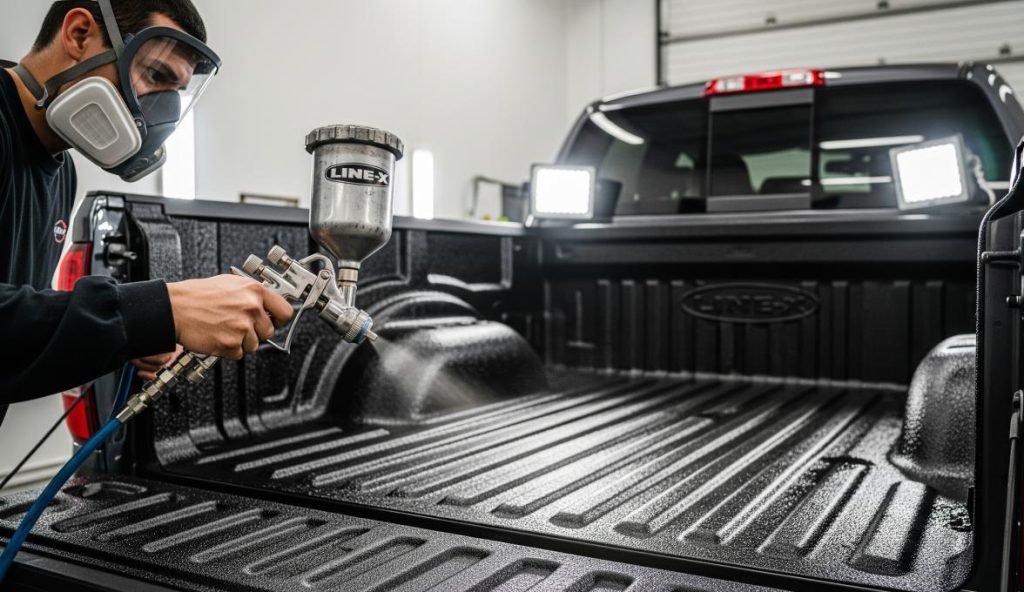
Line-X coatings are spray-on polyurethane/polyurea hybrids known for their extreme durability and impact resistance. Originally developed for truck bed liners, Line-X has expanded into industrial and military applications due to its ability to form a seamless, waterproof, and abrasion-resistant layer. It adheres to a wide range of surfaces, including metal, concrete, and fiberglass, making it ideal for environments requiring rugged, long-lasting protection.
Epoxy Coatings
Epoxy coatings are known for their exceptional adhesion and chemical resistance. They create a tough, waterproof barrier ideal for factory floors, pipelines, and heavy machinery. Their durability makes them a popular choice in environments where exposure to solvents and corrosive substances is frequent.
Polyurethane Coatings
Polyurethane coatings offer flexibility and superior resistance to ultraviolet light. They are well-suited for outdoor applications, including structural steel and exterior surfaces, where temperature fluctuations and sun exposure are common. These coatings maintain their finish and color over time, making them both functional and visually appealing.
Ceramic Coatings
Ceramic coatings are prized for their heat resistance and insulating properties. Often used in automotive and aerospace industries, they protect engine components and exhaust systems from extreme temperatures. Their hardness also provides excellent protection against abrasion and wear.
Application Techniques
The effectiveness of a protective coating depends not only on its composition but also on how it is applied. Selecting the right method ensures consistent coverage and long-lasting performance.
Spray Application
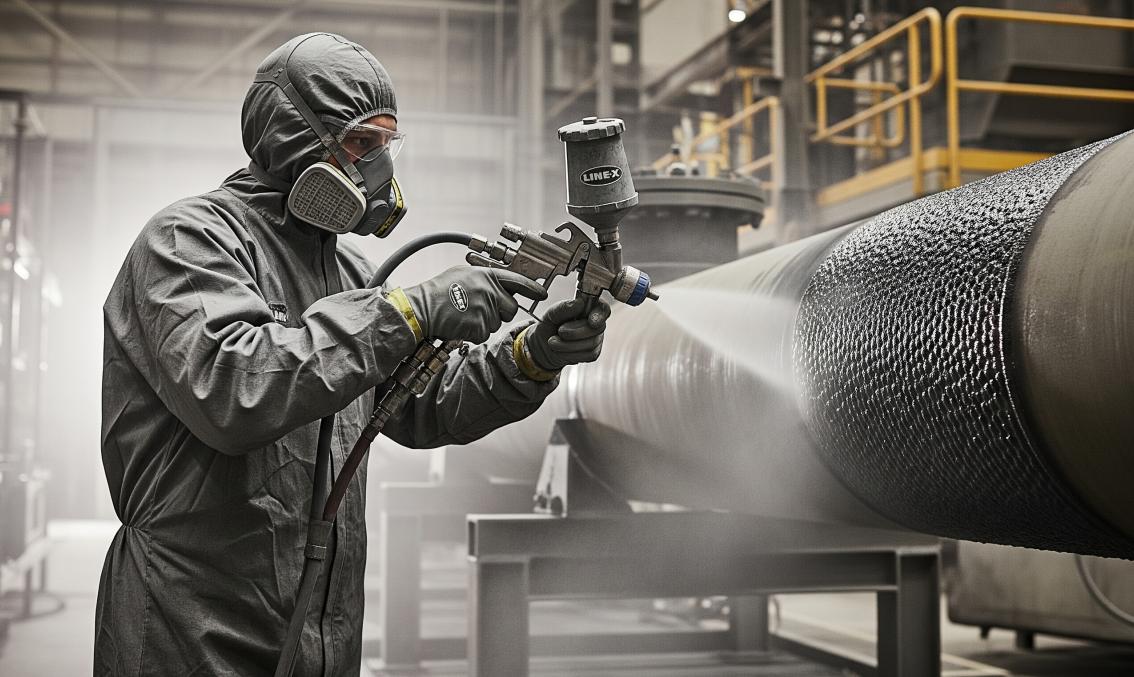
Spraying is ideal for large surfaces and complex geometries. It allows for uniform distribution and efficient coverage, especially in industrial settings. However, it requires specialized equipment and safety precautions to manage overspray and airborne particles.
Line-X coatings are applied using high-pressure spray systems that create a seamless, bonded layer. This method ensures rapid curing and exceptional adhesion, even on irregular surfaces. The spray-on technique used by Line-X is particularly effective for high-impact environments where traditional coatings may fail.
Brush and Roller Application
This method is suitable for smaller areas or detailed work. It offers greater control over thickness and placement, making it ideal for touch-ups or precision applications. While easy to set up, achieving a smooth finish may require experience.
Dipping and Flow Coating
These techniques are commonly used for parts with intricate shapes or in batch processing. Dipping ensures complete coverage, while flow coating allows for controlled application on specific areas. Both methods are effective in high-volume industrial operations.
Selecting the Right Coating
Making the right choice involves evaluating several key factors:
-
Environmental Conditions: Consider exposure to humidity, chemicals, or UV radiation. The coating must be able to withstand these elements without degrading.
-
Material Compatibility: Ensure the coating adheres well to the substrate, whether it’s metal, concrete, or plastic.
-
Performance Requirements: Assess the physical demands, such as resistance to abrasion, heat, or impact, to select a coating that meets your operational needs.
Routine maintenance is essential to preserve the effectiveness of protective coatings. Regular cleaning removes contaminants that can degrade the surface, while periodic inspections help identify areas that may need touch-ups or reapplication.
Emerging Trends in Coating Technology
The field of protective coatings is evolving rapidly, with innovations focused on performance and sustainability.
Nano-Coatings
These ultra-thin layers use nanotechnology to deliver enhanced protection with minimal material. They offer superior resistance to UV rays, moisture, and abrasion, while remaining nearly invisible to the eye.
Eco-Friendly Formulations
As environmental regulations tighten, coatings made with low-emission ingredients and biodegradable components are gaining popularity. These sustainable options provide strong protection without compromising ecological standards.
Advanced Polyurea Systems
Polyurea-based coatings, such as those used in Line-X formulations, are gaining traction for their rapid curing times, chemical resistance, and extreme durability. These systems are being adopted in sectors ranging from infrastructure to defense, offering long-term protection in the most demanding conditions. Their versatility and performance make them a benchmark in modern industrial coating technology.
Protective coatings are indispensable in industrial applications, offering a blend of durability, efficiency, and aesthetic value. By understanding your specific needs and staying informed about new technologies, you can make smarter choices that protect your assets and improve long-term performance.
For tailored advice and expert guidance on protective coatings, consider to contact LINE-X,  professional specialized in this field. They can provide insights and product recommendations suited to your specific application needs.
https://www.youtube.com/watch?v=mlqhA_uwa30


