
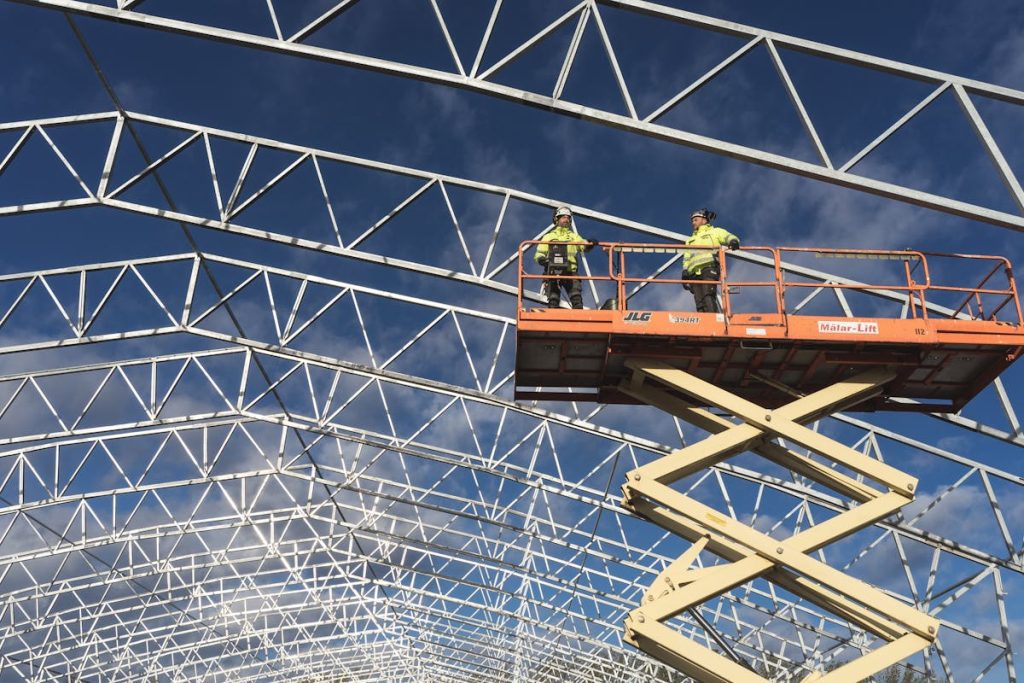
Operating a scissor lift can be an efficient way to reach elevated areas for various tasks. However, safety should always be a priority when you’re working at heights. This guide provides essential tips and tricks to ensure safe operation and minimize risks.
Inspect Your Scissor Lift Before Use
Before you start using your scissor lift, performing a thorough inspection is crucial. This step helps to identify any potential issues that could compromise safety.
Mechanical Checks
Check for any mechanical issues, including the state of the hydraulic systems and brakes. Ensure that tires are adequately inflated and free of excessive wear. These routine checks can mean the difference between a safe workday and an accident waiting to happen.
Safety System Assessment
The next aspect to review is the guardrails and safety systems. Make sure that all components are secure and functional. Look for any signs of wear or loose parts that may need repair.
Know Your Weight and Height Limits
Each scissor lift comes with specific weight and height limits, and understanding these limits is vital for safe operation. Exceeding these can lead to serious accidents.
Platform Capacity
Be acutely aware of the maximum weight capacity of your lift. Overloading can cause instability, increasing the risk of tip-overs. Familiarize yourself with the manufacturer’s guidelines to stay within safe operational limits.
Height Restrictions
It’s equally important not to extend beyond the rated height of the platform. Always adhere to the specifications listed in your lift’s manual to maintain safety.
Safety Gear is a Must
When operating a scissor lift, wearing the proper personal protective equipment (PPE) is essential. This gear significantly reduces the risk of injuries.
Protective Equipment
A hard hat is crucial for safeguarding against falling objects. Moreover, harnesses and lanyards should be worn whenever there is a risk of falling from the platform. Non-slip footwear is also recommended to ensure maximum traction while working.
Stabilization is Key
Ensuring that your lift is stable is non-negotiable for safe operations. Placement often plays a critical role in this aspect.
Level Ground Setup
Always set up the lift on a level and solid surface. If working in rough terrain, you should opt for lifts equipped with four-wheel drive and leveling capabilities. Additionally, properly deploy outriggers or stabilizers when necessary.
Avoid Soft Ground
Never position a lift on soft ground without additional support, as it could lead to serious instability.
Avoid Overreaching
One of the most common causes of accidents associated with scissor lifts is overreaching while on the platform. Maintaining a safe posture can help avert such incidents.
Safe Positioning
Always keep both feet on the platform floor. If you need additional reach, consider using a larger lift or repositioning the unit instead of leaning over the edge.
Be Mindful of Your Surroundings
Awareness of your surroundings is essential for minimizing risks while operating a scissor lift.
Identify Hazards
Keep an eye out for overhead hazards such as power lines and low ceilings. Maintain a safe distance from walls, beams, and other obstructions to mitigate the chances of collisions.
Operational Restrictions
Only trained and authorized workers should operate a scissor lift. Ensure that everyone adheres to the manufacturer instructions for raising and lowering the platform.
Utilize Guardrails Effectively
Guardrails are your first line of defense against falls, making it crucial to use them correctly.
Proper Usage
Avoid standing or climbing on guardrails. Additionally, ensure that access gates or chains are closed when the platform is elevated to maintain structural integrity.
Monitor Weather Conditions
Weather can pose significant risks when operating a scissor lift, including strong winds and rain.
Follow Guidelines
It’s vital to adhere to the wind speed guidelines issued by the manufacturer. Avoid using the lift during storms or high gusts to ensure safety.
Planning for Emergencies
Being prepared for emergency situations is essential for any operation involving scissor lifts.
Emergency Readiness
Workers must know how to utilize emergency stop controls and be familiar with emergency lowering procedures. Make sure that these procedures are easily accessible and understood by all operators.
In summary, operating a scissor lift requires careful attention to safety protocols and best practices. By incorporating inspections, understanding limits, and wearing appropriate gear, you can focus on efficiency without compromising safety.
Reach out to professionals for advice regarding the best lifts for your project and how to further enhance safety measures.
https://www.youtube.com/watch?v=x0KKcgyqDD8


