
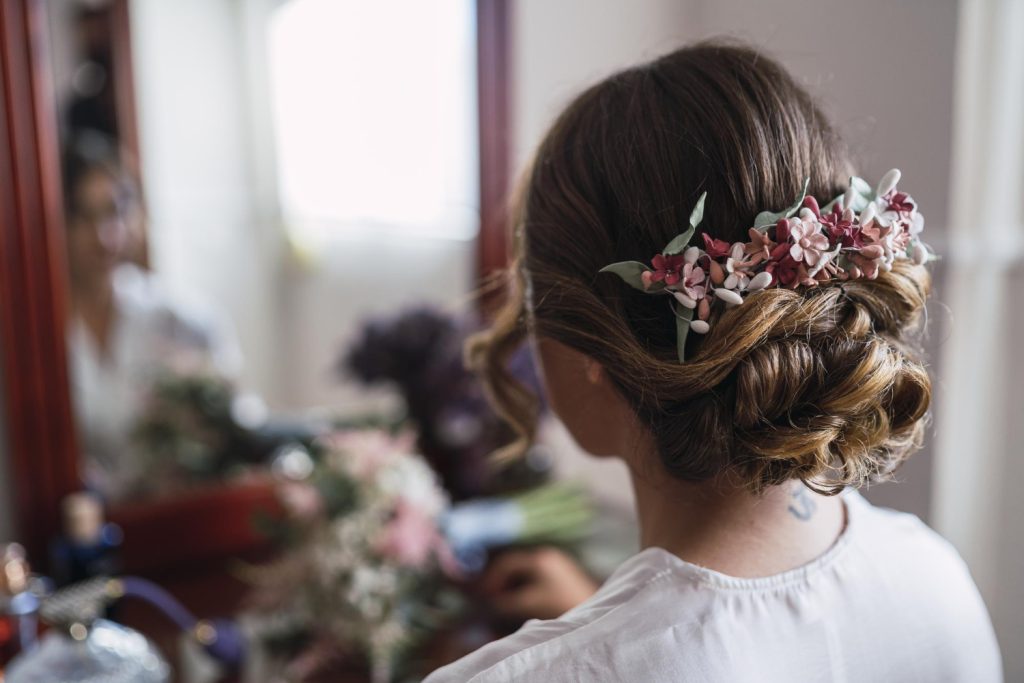
A secure quinceañera updo depends on more than a polished finish: the hidden structure must support movement, accessories, and hours of celebration. A stylist combines careful sectioning, controlled backcombing, and well-placed bobby pins or hairpins to create anchor points that hold without excessive tension.
Structure for a secure quinceañera updo
An effective quinceañera updo structure distributes weight across several stable areas instead of relying on one tight knot. The stylist first checks how the hair falls naturally, then chooses where the bun, twist, or pinned curls will sit. This plan keeps the shape balanced and helps accessories stay steady.
Sectioning creates control. A stylist can separate the crown, sides, and nape, then build each part in sequence. For a low chignon, the nape often supports the main shape; for a high bun, the crown and back of the head share the load.
Hair padding can add shape when natural density cannot create the desired silhouette. The stylist hides it beneath the hair and secures it to the foundation, avoiding a bulky outline. A consultation and trial reveal whether padding, extensions, or a simpler design will work best.
Placement of pins and anchor points
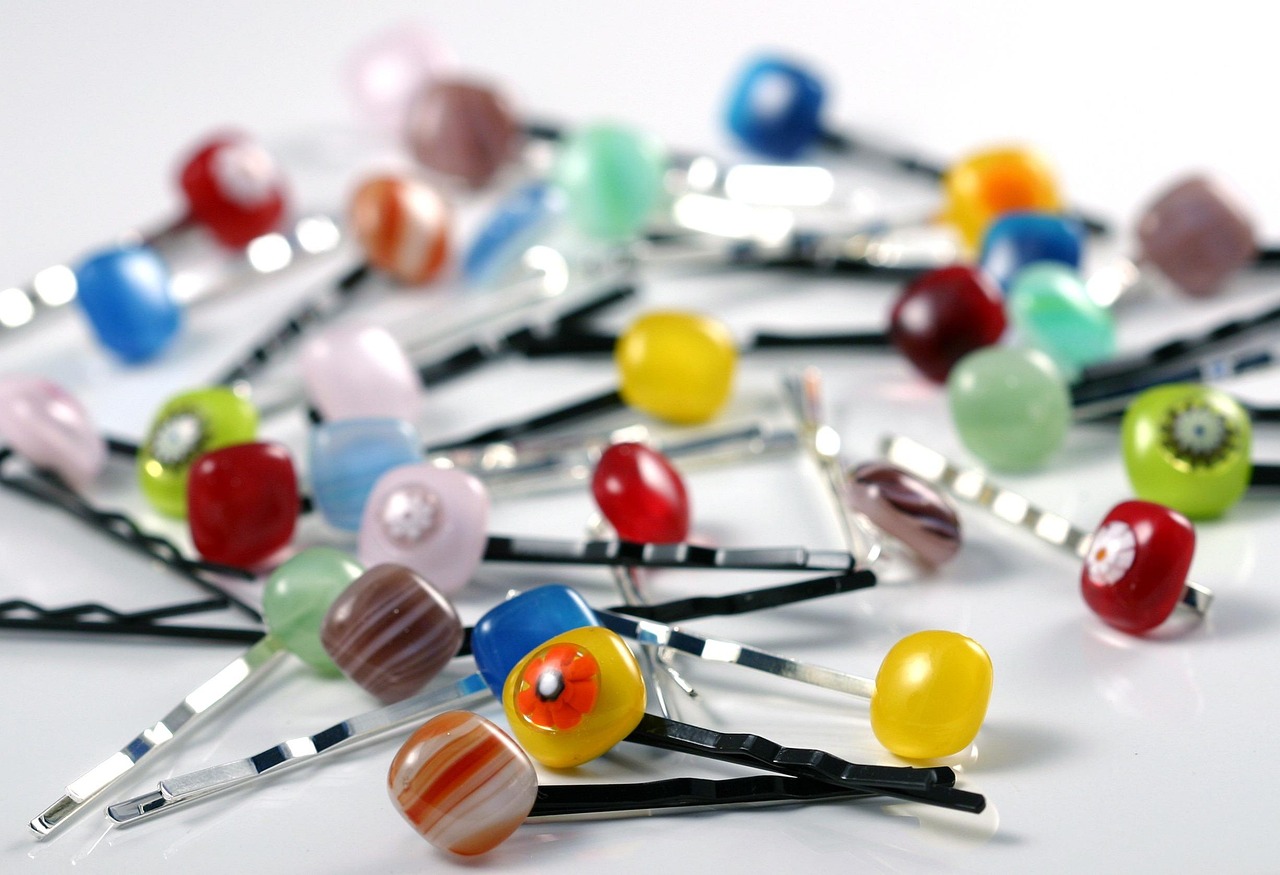
Bobby pins grip best when they cross a firm foundation, such as a small braided section or lightly teased base. The stylist inserts each pin toward the scalp, then changes its direction to lock the hair in place. This crisscross method resists movement better than parallel pins.
Hairpins suit larger sections and softer shapes. A U-shaped hairpin can slide through a curl, turn toward the scalp, and catch hair beneath the surface. For a tiara or decorative comb, the stylist should anchor the accessory to secure hair, not merely to loose curls.
Useful anchor points often sit around the bun’s perimeter, behind the ears, and near the crown. The stylist tests each area with gentle movement before adding finishing spray. More pins do not always mean more security; thoughtful placement reduces pressure and visible hardware.
For another formal styling perspective, explore this guide to elegant hair arrangements alongside professional advice.
Backcombing for controlled volume
Backcombing, often called teasing, creates a compact cushion beneath smooth hair. The stylist works with small sections near the roots, using short strokes toward the scalp. Then the outer layer covers the cushion, giving the updo lift without a visibly tangled surface.
Placement matters more than intensity. A crown may need gentle teasing to support a tiara, while a low bun may need only a small cushion near its base. Heavy backcombing can make removal difficult and strain delicate strands, so the stylist should match the technique to hair condition.
For fine hair, a light texturizing product or discreet hair padding may provide support with less teasing. Thick or naturally wavy hair may hold shape with minimal backcombing. A trial run helps identify the smallest amount of preparation that still keeps the style stable.
Design choices for curls, buns, and braids
Each formal hairstyle needs a foundation suited to its shape. A curled half-up style benefits from a supported crown, while a chignon needs a firm nape base. A braided updo can use the braid itself as a structural anchor, reducing the number of pins needed.
Before styling, the client and stylist can compare the dress neckline, jewelry, and planned headpiece. A high collar may pair well with a compact bun, while a flowing gown may complement soft curls. The design should frame the face without competing with important accessories.
Common structural checks include:
- Confirm that the base feels secure without pulling painfully.
- Hide pin ends beneath overlapping hair or braid sections.
- Test the headpiece after the main shape holds.
- Move the head gently to reveal loose areas before finishing.
These checks help a quinceañera updo stay comfortable through photographs, greetings, and dancing.
Preparation and lasting comfort
Clean, completely dry hair usually gives the stylist more predictable control. However, the best washing schedule depends on hair texture and product use; freshly washed hair may feel slippery, while day-old hair may offer extra grip. A stylist can recommend preparation during the trial.
Bring the planned accessories to that appointment, including the tiara, comb, or decorative pins. The stylist can test their weight and choose suitable anchor points before the celebration. This step also helps prevent last-minute changes that disturb the finished structure.
Ask the stylist how to remove the pins gently after the event, especially if the design includes teasing or padding. A broad-tooth comb and patient detangling protect the hair better than pulling through knots. For more styling inspiration, consult this collection of formal hairstyle ideas.


