
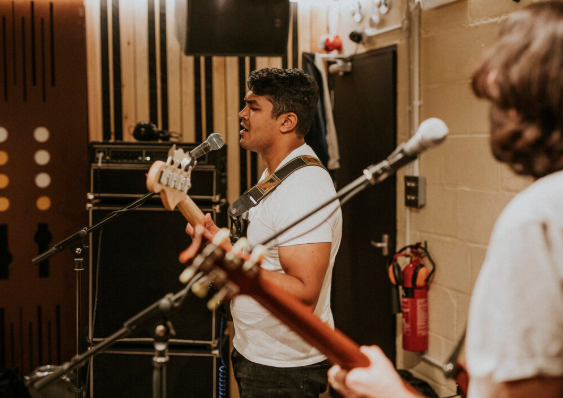
Musical ensembles often face the daunting challenge of translating their artistic vision into live performances that captivate audiences. In the world of music, the connection between rehearsal and performance quality cannot be overstated. Effective band rehearsals serve as the backbone of successful live shows, allowing musicians to refine their craft, bolster team dynamics, and boost overall performance readiness.
Recognizing the Importance of Rehearsals in Music Production
To grasp how band rehearsal significantly enhances live performance quality, it’s essential first to recognize the inherent value of rehearsals within the music production process. Rehearsals function not just as practice sessions but as vital opportunities for growth and improvement. They promote an atmosphere of collaborative creativity, allowing musicians to become acquainted with each other’s strengths and weaknesses. This dynamism fosters a supportive environment in which individual musicians can shine while contributing to the collective sound.
Building Cohesion Among Band Members
Cohesion among band members is fundamental to translating rehearsal effectiveness into performance quality. Rehearsals offer musicians time to interact, which can enhance team chemistry significantly. This chemistry is vital when performing live, as a tightly coordinated group often produces a more enjoyable and engaging performance. When musicians are in sync, they can respond better to each other during live shows, creating an organic and fluid experience for both themselves and the audience. Consider a scenario where two guitarists are harmonizing; their ability to communicate non-verbally during a performance is honed during countless rehearsals.
Refining Individual Skills
Aside from the group dynamic, rehearsals also provide opportunities for individual musicians to refine their skills. A significant part of rehearsal is dedicated to mastering personal parts, which enables each musician to perform confidently. When individuals understand their roles and effectively execute their parts, the band can focus on cohesion and artistry rather than corrections or mistakes. This kind of preparedness improves the quality of live performances, as band members can truly concentrate on engaging the audience, knowing that they have mastered their individual contributions.
Establishing a Structured Rehearsal Schedule
A structured rehearsal schedule is pivotal for optimizing band practice time. Without clear planning, rehearsals can quickly devolve into aimless jam sessions that lack productivity. A well-crafted schedule dictates the flow of a session, helping musicians focus on learning new material while also allowing for time to refine known pieces, essentially maximizing the rehearsal’s efficacy.
Creating Specific Goals for Each Session
To ensure productivity, band members should set clear and specific goals for each rehearsal. These goals serve as benchmarks that allow everyone to stay focused and gauge progress. For instance, a particular rehearsal might focus on mastering vocal harmonies in a specific song, while another could concentrate on tuning and timing as a group. Establishing these objectives not only keeps the band focused but also provides a sense of achievement when goals are met.
Incorporating Warm-Up and Review Sessions
Additionally, incorporating a warm-up segment at the beginning of each rehearsal aids musicians in getting into the right state of mind. This could involve running through scales, easy songs, or group improvisation to loosen up. Following this warm-up, it’s effective to include a review session that allows the band to revisit previously practiced material, thus reinforcing learning while also identifying areas needing improvement.
Emphasizing Effective Communication During Rehearsals
Effective communication is essential in any group setting, especially in a musical ensemble. Open lines of communication ensure everyone feels heard and valued, leading to a more constructive rehearsal environment. It is inherently beneficial for musicians to discuss their carving roles in the band and openly share creative insights.
Providing Constructive Feedback
During rehearsals, musicians should focus on giving and receiving constructive feedback, fostering an environment conducive to improvement. For example, instead of focusing on mistakes, band members can express what was enjoyable about a performance or what could be enhanced. This positive reinforcement helps build trust and encourages further growth among members.
Encouraging Active Listening
Active listening plays an equally significant role in effective communication. Musicians should be attentive, not just to their own parts but also to those of their bandmates. This advises them on how best to react during performances and creates a more harmonious product when they perform on stage. Encouraging questions and clarifications ensures everyone is on the same page and contributes to the overall quality of the rehearsal.
Utilizing Technology for Feedback and Improvement
The modern musician has the advantage of technology, which can be leveraged to improve performance quality significantly. Recording rehearsals allows band members to playback their sessions objectively, helping them pinpoint strengths and weaknesses.
Audio and Video Recording Techniques
Using audio and video recordings provides valuable insights into performance nuances that might go unnoticed during live playing. For example, an audio playback can reveal timing issues or balance problems, while video footage can clarify stage dynamics and visual presentation. Watching recordings together enables a group debriefing session where members can discuss what worked well and what needs attention, fostering a growth mindset.
Contact Rakoon Sound Studios to help you.


