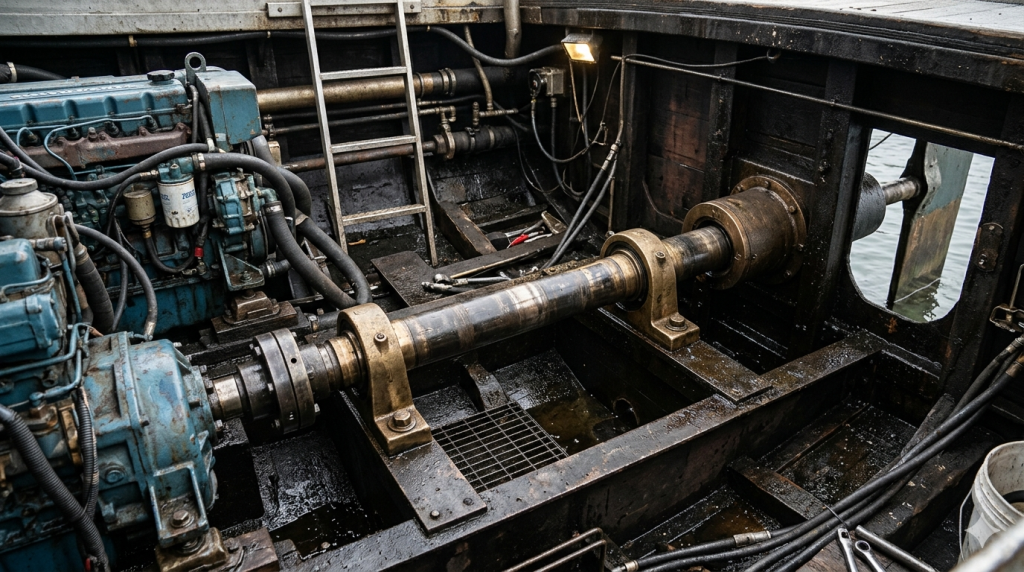
When it comes to marine propulsion systems, understanding
propeller shaft runout tolerances is crucial for ensuring optimal performance and minimizing vibrations.
Vibration issues can stem from various factors, including a bent shaft or misalignment, and if left unaddressed, they can lead to more significant problems and costly repairs. By learning how to accurately diagnose runout using simple methods, boat owners can detect potential malfunctions early and maintain the integrity of their vessel. This guide will explore practical tips for assessing shaft runout, enabling you to take proactive measures before vibrations become severe.
What is Propeller Shaft Runout?
Propeller shaft runout refers to the
deviation from a perfectly straight line of
the shaft as it rotates. In simpler terms, it’s how much the shaft wobbles or deviates from its intended path during operation. This slight variation can manifest itself as vibration, which, if left unchecked, could lead to serious damage to the shaft, bearings, or the transmission components.
Understanding the acceptable runout tolerances is the first step in ensuring your system operates smoothly. For instance, the common threshold for runout is approximately
0.006 inches per foot of shaft length, which translates to around
0.15 mm for every 300 mm – a standard you should strive to maintain.
Common Symptoms of Runout Issues
Identifying early signs of runout can save you significant headaches and costs later. Here are a few symptoms to watch out for:
–
Vibration: Unexplained vibrations during operation can signal shaft irregularities.
–
Noise: Unusual noises such as grinding or knocking could suggest misalignment or runout issues.
–
Wear: Inspect your bearings; excessive wear could be a direct effect of improper shaft alignment.
–
Temperature Increase: Heat generation in the drive components can indicate malfunctioning or inefficient operation due to shaft discrepancies.
Diagnosing Runout at Home
You don’t need to be an expert to check your propeller shaft for runout. With some basic tools and materials, diagnosing issues can easily be done in your workshop or garage.
1.
Required Materials:
– A stable work surface that can support the length of the shaft.
– Two
vee blocks for securely holding the shaft.
– A
dial indicator or a length of stiff wire with
feeler gauges for measurement.
2.
Procedure:
–
Setup: Place the shaft horizontally in the vee blocks, ensuring it is parallel to the work surface.
–
Testing: Rotate the shaft and measure the deviation at different points using the dial indicator or wire method to ascertain any variations.
–
Measurements: If the runout exceeds the recommended tolerances, consider re-evaluating the shaft or seeking professional assistance.
Professional Assessment and Corrections
If you discover significant runout or vibrations, it’s wise to consult with a professional. Services that can help include:
–
Straightening Services: Experts can assess the shaft and make necessary adjustments to correct alignment and vibration issues.
–
Bearing Replacement: Over time, bearings wear down and may need replacing, especially if subjected to improper load from a misaligned shaft.
–
Engine Mount Check: Misalignment of the engine itself could contribute to shaft vibrations. Ensuring your engine mounts are in good condition is paramount.
Preventive Measures to Mitigate Vibration
Once you have diagnosed and corrected any issues, it’s time to think about prevention. Here are a few measures you can adopt:
–
Regular Maintenance: Just like any other part of your vessel, regular checks of the propeller shaft can prevent small problems from snowballing into larger ones.
–
Check Alignment: Ensure that your engine is properly aligned with the shaft to minimize any undue stress on the coupling.
–
Install Dampers: Consider the use of damping materials and weights that can be added strategically to reduce vibration.
Having a firm understanding of propeller shaft runout and its tolerances is essential for the integrity of your marine system. By keeping an eye out for symptoms and performing regular maintenance, you can avoid the dreaded consequences of unchecked vibrations. For expert assistance and tailored solutions, connecting with relevant professionals can help ensure your vessel runs smoothly and efficiently.
If you’re looking to enhance your vessel’s performance check out
Norseman Boatyard, where you can find specialized services and products tailored to marine engineering needs.