
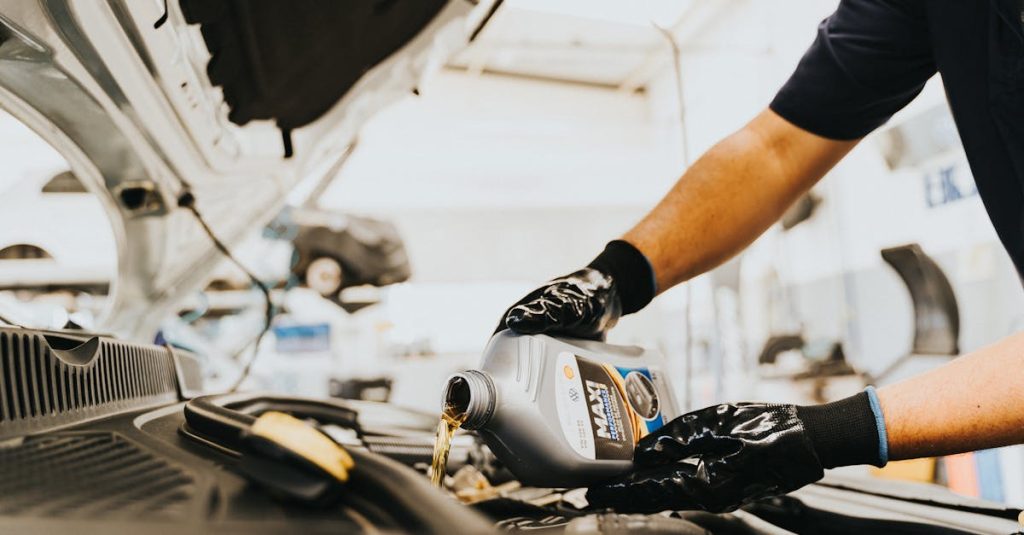
Did you know that delaying your vehicle’s oil change can cause severe engine damage and costly repairs? Regular oil changes are fundamental to maintaining engine health and performance. This article explains the critical role of timely oil changes, the risks of neglecting this task, and how to keep your car running smoothly by following manufacturer recommendations.
The Role of Engine Oil
Engine oil serves as the lifeblood of a vehicle’s engine. It lubricates moving parts to reduce friction, cools components, and helps protect against wear. Over time, oil degrades and accumulates contaminants, which reduces its effectiveness. Understanding this process makes clear why sticking to regular oil changes is essential.
Why Oil Degrades
As oil circulates, it collects dirt, metal particles, and combustion by-products. Heat and chemical reactions break down the oil’s molecular structure. This deterioration causes oil to lose its lubricating and cooling properties, becoming thicker and sludgy.
Consequences of Degraded Oil
When oil can’t perform to its full capacity, engine parts experience excess friction and wear. This leads to overheating, reduced efficiency, and accelerated component failure. Consequently, your vehicle’s performance drops, fuel economy worsens, and breakdown risks increase.
Risks of Delayed Oil Changes
Skipping scheduled oil changes can have serious implications. Below we detail the main dangers and what to expect if oil is not replaced on time.
1. Reduced Engine Efficiency
Insufficient lubrication increases friction among engine components. This causes the engine to work harder, lowering power output and fuel economy. You might notice sluggish acceleration and more frequent visits to the gas station.
2. Increased Wear and Tear
Old oil turns sludgy, blocking smooth movement of pistons, camshaft, and crankshaft. This accelerates mechanical wear and may lead to premature engine damage, requiring costly repairs or part replacements.
3. Sludge Formation and Clogging
Thickened oil can clog filters and narrow oil passages, disrupting proper flow. Engine parts don’t get lubricated properly, which can cause overheating and eventually engine failure.
4. Potential for Engine Seizure
If lubrication fails entirely, the engine may seize, a catastrophic failure where parts fuse together and stop moving. Repairing this usually means replacing the entire engine, a very expensive process.
Manufacture r Recommendations and Maintenance Tips
Most automobile manufacturers recommend oil changes every 3,000 to 5,000 miles, depending on driving conditions and oil type. Following these guidelines helps prevent the issues described above.
- Use dealer-recommended oil grade and type for optimal performance.
- Check oil levels regularly and top off as needed.
- Schedule oil changes proactively rather than reactively after problems arise.
Advantages of Regular Oil Changes
- Maintains optimal engine lubrication and cooling
- Improves fuel efficiency and engine power
- Prevents buildup of sludge and contaminants
- Reduces wear, extending engine lifespan
- Helps avoid costly engine repairs and breakdowns
How Professional Services Can Assist
Many garages offer mobile oil change services, delivering convenience and saving time. Though some specialized repair centers may not provide such services, they can diagnose related issues like leaks or engine problems early.
Oil Change Frequency Table
Here’s a clear summary table of oil change frequency based on common driving conditions and vehicle types. This is general guidance, always check your manufacturer’s recommendations for specifics.
| Driving Condition / Vehicle Type | Recommended Frequency | Notes |
|---|---|---|
| Normal driving (modern cars) | Every 7,500 – 10,000 miles (12,000 – 16,000 km) or 6–12 months | Many newer cars with synthetic oil can safely go longer intervals. |
| Severe driving (stop‑and‑go, short trips, dusty roads) | Every 3,000 – 5,000 miles (5,000 – 8,000 km) or 3–6 months | Frequent idling, extreme temps, or towing put extra stress on the engine. |
| Older vehicles (pre‑2000 models) | Every 3,000 – 5,000 miles (5,000 – 8,000 km) | Conventional oil and older engines benefit from shorter intervals. |
| High‑performance / turbocharged engines | Every 5,000 – 7,500 miles (8,000 – 12,000 km) | Turbo engines run hotter and need more frequent oil changes. |
| Diesel engines (light trucks, SUVs) | Every 5,000 – 7,500 miles (8,000 – 12,000 km) | Diesel oil gets dirtier faster; check manufacturer specs. |
| Synthetic oil users | Every 7,500 – 15,000 miles (12,000 – 24,000 km) | Premium synthetics extend intervals but still require regular checks. |
| Infrequent drivers (low mileage per year) | Every 12 months regardless of mileage | Oil degrades over time even if the car isn’t driven much. |
This table balances mileage, time, and driving style. The safest approach is to follow your car’s manual and adjust based on how and where you drive.
Consider professional or mobile oil change services to maintain convenience without sacrificing care. Protect your engine and extend your vehicle’s life, schedule your next oil change today.


