
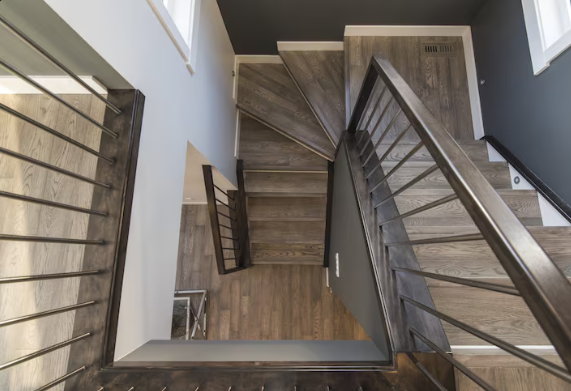
In the world of interior design and renovation, the choice of staircase material can make a significant impact on both aesthetics and functionality. As trends evolve and homes are subject to heavier use, understanding how various materials hold up under foot traffic becomes essential. This guide delves into the most durable options available for stair resurfacing.
Evaluating Stair Resurfacing Materials for Foot Traffic
When selecting stair resurfacing materials, one must consider durability, appearance, and functional performance. This overview examines different materials and their ability to withstand heavy foot traffic, ensuring your stairs remain both functional and stylish over time.
Exploring Hardwood Options and Their Durability
Wood has long been a favored choice for stair resurfacing due to its warm aesthetic. However, not all hardwoods are created equal. The Janka hardness scale assesses the resistance of wood to dents, which is essential for stairs exposed to continuous foot traffic.
- Red Oak: With a Janka rating of 1290, it serves as a baseline for durability.
- Hickory: Boasting a rating of 1820, Hickory excels in high-traffic areas, resisting heel-dent compression.
- Hard Maple: This option, rated at 1450, also offers excellent durability.
Proper finishing technology enhances a hardwood’s longevity. Aluminum oxide coatings can increase scratch resistance significantly, providing up to 400% more durability compared to standard finishes.
Analyzing Luxury Vinyl Plank (LVP) Characteristics
LVP has surged in popularity, especially for environments subjected to rigorous use. This material’s wear layer thickness is pivotal for performance on stairs. For optimal protection, a wear layer of at least 20 mils is recommended to withstand the daily grind.
- 20-22 mil wear layer: Essential for preventing damage in high-traffic areas.
- Flush-mount nosings: Avoid overlap profiles that can easily chip under pressure.
- 100% urethane adhesive: This must be used for securing vinyl installations, as it maintains flexibility amidst foot traffic.
Comparing Other Flooring Options for Increased Durability
In addition to wood and vinyl, several other materials can provide exceptional durability for stairs facing heavy foot traffic. Each has unique benefits and potential drawbacks that should be considered.
Understanding Laminate and Its Ratings
Laminate flooring, graded by the European AC ratings, can also serve as a viable option for stair resurfacing. For best results, choose products with an AC4 or AC5 rating for enhanced wear resistance. While laminate is known for its toughness, moisture poses a risk; if water seeps into joints, it can severely damage the core.
- AC4 or AC5 rating: Ensures durability against heavy foot traffic.
- Moisture sealing: Use a silicone-based joint sealant to protect seams during installation.
- Low-maintenance: Provides an easy cleaning experience compared to other materials.
Investigating Porcelain Tile Durability
Porcelain tile is renowned for its resistance to scratching and denting, making it an appealing choice for stairs. However, its edges require special attention. Standard field tiles can chip easily, necessitating the use of specialized bullnose tiles or protective edge profiles.
- A textured finish: Improves slip resistance, essential for safety.
- Anodized aluminum profiles: Help protect edge finishes from damage.
- Sealing requirements: Ensure that tiles are properly sealed to prevent moisture infiltration.
Long-Term Considerations for Stair Resurfacing
Longevity is a primary concern when selecting materials for stair resurfacing, particularly in households with high foot traffic. Choosing the right material combines aesthetic appeal with practical performance.
| Material | Durability Rating (Janka/AC) | Key Advantage | Disadvantages |
|---|---|---|---|
| Hardwood | Varies (1290 – 1820) | Classic appearance, can be refinished | Sensitive to humidity changes |
| Luxury Vinyl Plank (LVP) | 20 mil | Waterproof, flexible | Can be prone to scratching |
| Laminate | AC4, AC5 | Cost-effective, easy to maintain | Susceptible to moisture damage |
| Porcelain Tile | High resistance | Indestructible surface | Can be slippery without proper texture |
Ultimately, stair resurfacing demands careful consideration of both material and application method. As homeowners increasingly look to create beautiful yet durable spaces, understanding how these materials withstand the rigors of daily life is vital. Consulting professionals in flooring can provide tailored advice suited to specific environments.
For those interested in exploring durable flooring options, consider visiting Excellence Hardwood Flooring for high-quality materials and expert assistance tailored to your needs.


