
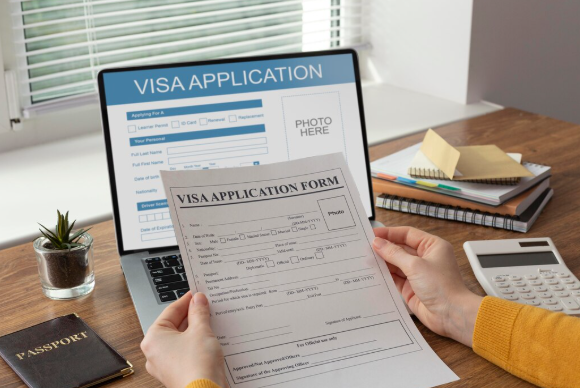
Visa applications are often a complex and nerve-wracking process, with numerous factors determining their approval. One of the biggest surprises for many applicants is the seemingly minor documentation errors that lead to rejections. Understanding these pitfalls can empower you to better prepare your application and increase your chances of success.
Identify Common Documentation Mistakes
One pivotal aspect of any visa application is the supporting documentation required. Each piece must be meticulously prepared and aligned with immigration requirements to avoid potential pitfalls. Here are the most common documentation mistakes to be aware of:
Incomplete or Incorrect Documentation
Missing or inaccurate files can instantly jeopardize the entire application. Common errors include:
- Outdated financial statements: Providing old bank statements raises doubts about your current financial status.
- Unsigned application forms: An unsigned form is often deemed invalid.
- Incorrect file formats: Uploading documents in the wrong format can lead to automatic denial.
Even minor discrepancies can create significant doubts for immigration officers about your eligibility.
Financial Evidence That Falls Short
Financial instability is a frequent reason for visa denials. Immigration officials scrutinize financial documents closely. Issues often arise from:
- Insufficient funds: Not meeting the minimum financial threshold can lead to rejection.
- Recent substantial deposits: Sudden large amounts can signal borrowed funds.
- Incorrect accounts: Using business accounts instead of personal savings may raise questions about your financial credibility.
Providing consistent and clear financial evidence is vital to dispelling doubts about your financial abilities.
Understand the Importance of Consistency
Consistency across all documentation is key in visa applications. Immigration departments often cross-check information across various forms and previous records. Here are frequent inconsistencies that can lead to rejections:
Inconsistent Information Across Forms
When different parts of your application contradict one another, it raises red flags. Typical examples include:
- Mismatch of job titles: Different job titles across documents can indicate misrepresentation.
- Conflicting travel histories: Inconsistencies in your travel history can suggest dishonesty.
- Differing dates and addresses: Any discrepancies in your personal information can adversely affect your application.
To mitigate the risks associated with inconsistencies, always ensure that your documents align perfectly with one another.
Select the Right Visa Type
Choosing the appropriate visa type is essential. Applications submitted under inappropriate categories often face automatic rejection. Here are some common pitfalls:
Applying for the Wrong Visa Category
|
Type of Error |
Description |
Potential Risk |
|---|---|---|
|
Remote workers applying for tourist visas |
Choosing a tourist visa when the stay involves remote work |
Incompatibility with visa conditions |
|
Freelancers misrepresenting themselves as employees |
Declaring an employment status that does not reflect their actual situation |
Incorrect assessment of professional status |
|
Long-term stays on short-term visas |
Using a short-term visa for an extended stay |
Violation of immigration rules |
A thorough understanding of the requirements for the chosen visa category is essential to preparing a consistent application that complies with the immigration rules of the destination country.
Stay Informed About Specific Requirements
Visa regulations can vary significantly based on the country and the specific embassy. Familiarity with local rules can prevent unnecessary setbacks. Here are essential aspects to consider:
Adapting to Local Embassy Regulations
Applicants often overlook specific requirements unique to their local embassy or consulate. Common oversights include:
- Not following updated guidelines: Visa rules can change rapidly; relying on outdated information can lead to errors.
- Ignoring local processing times: Understanding timelines helps anticipate application outcomes.
- Neglecting variations between processing locations: Different embassies may have distinct requirements.
Consider Professional Assistance
While many applicants feel confident navigating the visa application process on their own, complexities often arise. Professional visa advisory services enhance your chances of approval by ensuring clarity and precision. These services offer benefits such as:
- End-to-end application reviews: They check for consistency and clarity in your documentation.
- Guidance on common rejection triggers: Identifying these before submission reduces risk.
- Up-to-date knowledge on specific practices: Staying current with embassy requirements is vital.
Professional support can streamline a complex process and provide invaluable insights tailored to your unique situation.


