
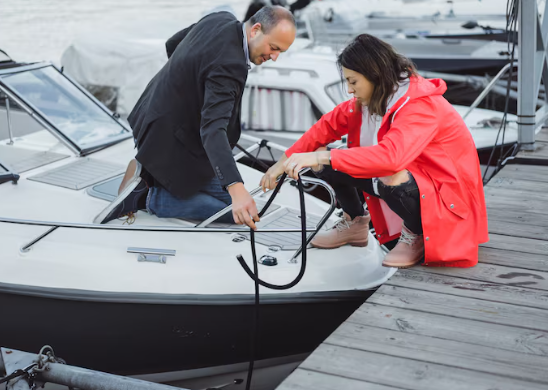
Boating is an exhilarating experience that offers a sense of freedom and adventure. However, ensuring the longevity and performance of your boat demands a consistent maintenance routine. Neglecting boat maintenance can lead to mechanical failures and safety risks, diminishing your enjoyment on the water. This article delves into essential tips to keep your boating gear in optimal condition, focusing particularly on running gear maintenance.
Understanding the Importance of Boat Running Gear Maintenance
Boat running gear comprises vital components such as the propeller, drive shaft, and engine, which collectively ensure your boat operates efficiently. Regular maintenance of these components dramatically reduces the chances of breakdowns, contributing to safer and more enjoyable outings. Key factors include:
- Safety: Well-maintained running gear significantly lowers the risk of incidents while out at sea.
- Performance: Proper upkeep enhances the responsiveness and speed of your boat.
- Cost-Effectiveness: A proactive maintenance approach prevents expensive repairs down the line.
Establishing a solid maintenance routine involves multiple approaches to checking, cleaning, and servicing your running gear. By prioritizing these tasks, you can ensure your boat’s mechanical systems remain robust. This, in turn, not only saves money but also fosters peace of mind on the water.
Key Maintenance Tasks for Boat Running Gear
Several essential tasks should be routinely performed to maintain your boat’s running gear effectively. Understanding these tasks will allow you to create a robust maintenance checklist.
- Inspect and Clean the Propeller: A thorough inspection should be conducted before every outing. Look for signs of damage, such as dents or nicks. Even small imperfections can lead to inefficiencies.
- Check the Drive Shaft: Ensure it is well-lubricated and free from any protective coatings that could affect its performance. A well-lubricated shaft helps in smooth navigation.
- Monitor Engine Condition: Regular engine check-ups, including oil changes and fluid replacements, enhance engine reliability and longevity.
Best Practices for Engine Maintenance
Proper engine maintenance is critical for optimal performance and prevents breakdowns. There are various tasks involved in maintaining the engine that require your attention.
Routine Checks
Frequent inspections can identify problems before they escalate. Monitor the engine oil level and check for leaks or discoloration that may suggest contamination.
- Oil Filter Replacement: Ideally, this should be done alongside oil changes, as a clean filter enhances oil circulation and prolongs engine life.
- Inspect Fuel Lines: Look for any cracks or signs of wear that could compromise fuel delivery. Replace any damaged components immediately to prevent inefficiency.
- Cooling System Flush: A seasonal flush helps remove any harmful impurities that could lead to overheating.
Furthermore, after every trip, also take a few minutes to inspect the engine for any abnormalities. Catching minor issues early can prevent them from becoming major headaches later.
Storage Techniques to Protect Your Boat Running Gear
Proper storage methods play a vital role in preserving your boat’s running gear. Whether you’re repossessing it for winter or keeping it safe from harsh UV rays, your storage practices matter.
Indoor vs. Outdoor Storage
Choosing the right storage option can make a notable difference:
- Indoor Storage: Offers maximum protection from the elements, reducing wear on both interior and exterior components.
- Outdoor Storage: If covering your boat outside, ensure a high-quality, UV-resistant cover is used to protect the hull and running gear from sunlight.
Additionally, consider periodically checking your boat even while it’s stored. This ensures that once you’re ready to hit the water again, everything is still in perfect working order.
Maintaining Safety Gear for Emergency Preparedness
Your safety gear is as essential as your boat’s running gear, crucial for effective emergency preparedness. Regular maintenance of safety items ensures they are functional when needed.
Regular Inspections
It’s critical that you routinely inspect life jackets, fire extinguishers, and first-aid kits. Conduct your examinations as follows:
- Life Jackets: Check for any tears, fading, or loss of buoyancy. Replace any items that show signs of wear.
- Fire Extinguishers: Verify the pressure gauge is in the green zone and inspect the nozzle for blockages.
- First Aid Kits: Ensure all supplies are stocked and that no medications have expired.
A systematic approach to maintaining both operational and safety gear will create a safer boating environment. Staying prepared means being able to react swiftly in emergencies.
Contact Florida Divers to help you.


