
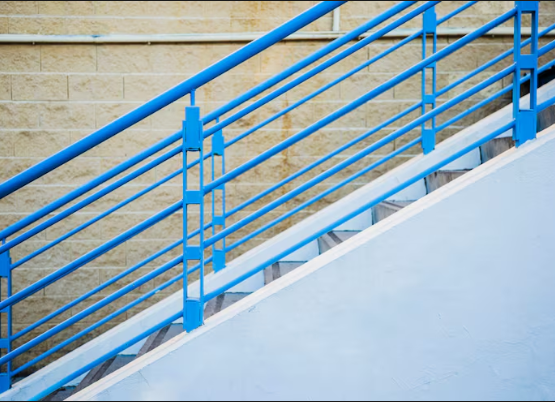
Railings are integral to ensuring safety in both residential and commercial spaces. They not only serve as a protective barrier against falls but also enhance the aesthetic appeal of a property. In 2026, with increasing focus on safety standards and modern designs, understanding railing installation is more important than ever. This guide offers valuable tips and insights to ensure your railing installation is both secure and stylish.
Understanding the Importance of Railing Installation
Installing railings is not just about meeting safety standards; it’s about enhancing overall well-being and aesthetics in your living spaces. Railings serve as a safety net, particularly on balconies, terraces, and stairwells, where the risk of falling is significant. Adhering to building codes not only protects individuals, especially children and the elderly, but also adds a polished finish to your property.
Modern designs often seek to integrate railings into the surrounding environment, using materials like wire rope systems that maintain visibility while ensuring safety. These slender lines create a dramatic effect, allowing unobstructed views while providing necessary protection.
Key Safety and Load-Bearing Standards
It’s essential to recognize that outdoor railings must adhere to specific load-bearing standards. In 2026, these standards dictate that railings should endure a load of at least 200 pounds per foot. This requirement aims to prevent accidents and injuries. In addition, the height of handrails is critical; they must typically be positioned between 34-38 inches to offer reliable support.
Choosing the Right Railing Material
The selection of appropriate railing materials significantly affects both durability and style. In today’s market, options abound, from stainless steel to wood, each with its unique advantages and disadvantages.
Exploring Popular Railing Options
When considering railing materials, it is helpful to weigh their benefits:
- Stainless Steel Wire Rope Systems – Particularly suited for coastal areas, they resist corrosion and require minimal maintenance. They provide an elegant and refined look.
- Metal Posts (Aluminum/Stainless Steel) – These versatile options support significant weights while allowing for aesthetic flexibility. They typically include pre-drilled holes for easier installation.
- Welded Mesh Panels – These are ideal for DIY enthusiasts, offering a sturdy option made with stainless steel mesh.
- Wood – While aesthetically pleasing, wooden railings require ongoing maintenance to prevent deterioration from weather exposure.
Adhering to Code Compliant Installation Procedures
Understanding code compliance is crucial when installing railings. In 2026, inspection agencies are more vigilant about ensuring installations meet safety standards. This section will cover key height standards, structural stability, and common errors to avoid.
Height and Stability Standards
Railings should be between 34-38 inches high, with a diameter of 1.25-2 inches. The vertical spacing of posts should not exceed 4 feet. Additionally, the structural integrity of railings can be bolstered through proper installation techniques, such as reinforcing bases with pressure-treated wood blocks. Regular checks of cable tension are also advisable to prevent slackening over time.
Step-by-Step Guide to Installing Railings
To achieve a successful railing installation, follow a meticulously planned approach:
Planning and Executing the Installation
Here is a systematic overview of the essential steps involved:
- Planning and Measurement: Start by marking post locations with a distance of no more than four feet apart. Make precise measurements to avoid inconsistencies.
- Securing Posts: Use expansion bolts or mortise screws to anchor your posts dependably. Ensure each post is plumb with a maximum vertical deviation of one degree.
- Cable/Panel Installation: Thread wire ropes through pre-drilled holes. Use crimp pliers to secure the ends, then adjust tension accordingly.
- Final Inspection: Test stability by shaking the posts. Ensure no looseness is present; implement a tension meter to validate wire strength.
- Maintenance: Regularly clean the railings and inspect for rust or wear, especially in coastal locations.
Ensuring Long-Term Safety and Aesthetic Appeal
A railing installation transcends mere structure; it also encapsulates the harmony between safety and style. By prioritizing quality materials and compliance to standards, homeowners can achieve a visually appealing and safe environment.
Regular Maintenance for Longevity
After installation, maintaining railings is vital for longevity and safety. Here are some maintenance tips:
- Regularly clean stainless steel components with a mild cloth to avoid scratches.
- Inspect connectors on an annual basis, especially in salt spray environments, and treat with anti-rust coatings as needed.
- Consider hiring professionals for biannual load tests to ensure compliance with safety regulations.
The combination of safety measures and aesthetic considerations makes railing installation an integral part of any construction or renovation project. By focusing on quality materials, adherence to regulations, and ongoing maintenance, homeowners can ensure that their railings are both functional and visually appealing for years to come. If you’re ready to improve your space, consider contacting Lasrasy Fence for professional railing installation services to ensure safety and style.


