
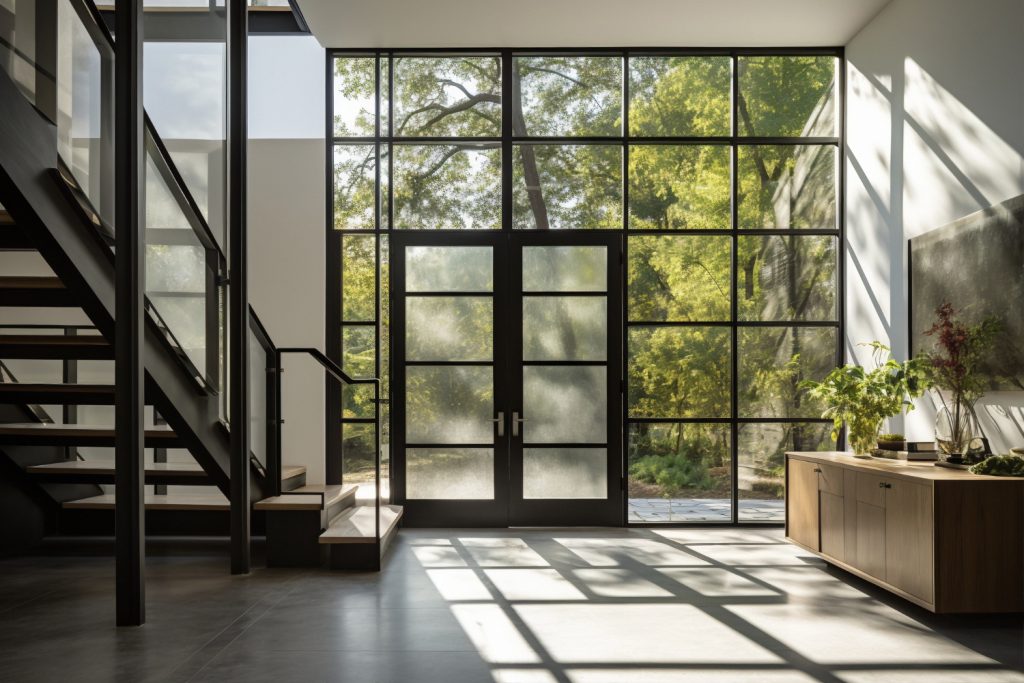
In an era where energy conservation is becoming increasingly crucial, homeowners are consistently seeking effective ways to minimize energy costs. Windows and doors play a pivotal role in achieving this goal, often overlooked in discussions about energy efficiency. Understanding how these elements significantly impact energy expenditures can lead to informed decisions and substantial savings.
Understanding the Role of Windows and Doors
The term fenestration encompasses the design and placement of windows and doors within a building’s structure. The significance of these openings extends beyond aesthetics; they are essential for regulating a home’s internal climate. Energy loss through windows and doors can account for a substantial portion of heating and cooling expenses. Research indicates that about 30% of a home’s heating energy is lost due to inefficient windows and doors.
Examining the Components of Energy-Efficient Windows
Various factors contribute to the energy efficiency of windows. Key components include:
- Glazing: Double or triple glazing options provide enhanced insulation compared to single-pane windows. They reduce heat transfer significantly.
- Frame Material: Materials such as vinyl, fiberglass, and wood offer different insulation properties. For example, vinyl frames tend to have superior thermal performance.
- Low-E Coatings: These specialized coatings help to reflect heat away during summer and retain warmth during winter, contributing to a consistent internal temperature.
Modern advancements in technology have led to the development of windows that can adapt to their environment. Some of these windows use smart technology to change their tint based on sunlight exposure, thus reducing glare and heat buildup. As homeowners become more aware of these innovations, energy-efficient options continue to become popular choices.
Identifying the Benefits of Energy-Efficient Doors
Just like windows, doors also contribute to energy transitions in a home. An efficient door seals off space effectively, minimizing drafts. When looking at the energy efficiency of doors, consider the following attributes:
Key Features of Energy-Efficient Doors
Several features determine how well a door can perform in terms of energy conservation:
- Insulation Ratings: These ratings indicate how well a door can insulate. Doors with high insulation ratings help maintain the internal climate, allowing HVAC systems to function more efficiently.
- Weatherstripping: Effective weatherstripping around doors prevents air leaks, ensuring that heated or cooled air remains inside the home.
- Material Types: Solid wood, fiberglass, and insulated steel are some materials that provide superior insulation compared to hollow-core or poorly constructed doors.
Investing in energy-efficient doors not only enhances comfort indoors but also directly translates into financial savings over time. Many homeowners have reported reduced energy bills after replacing old, inefficient doors with modern alternatives.
Comparing Energy-Efficient Windows and Doors
To fully appreciate the impact of upgrading windows and doors, it helps to compare traditional options with energy-efficient alternatives. This comparison highlights the significance of investing in better materials and designs.
| Feature | Traditional Windows & Doors | Energy-Efficient Windows & Doors |
|---|---|---|
| Heat Transfer | High due to poor insulation | Low due to advanced glazing & insulation |
| Energy Savings | Minimal, high energy bills | Substantial savings over time |
| Comfort | Drafts, fluctuating temperature | Consistent internal climate |
As the table illustrates, the differences are profound. Homeowners who make the switch typically notice an immediate impact on both energy expenditure and overall comfort.
Exploring Environmental Impact
Beyond personal finance, making energy-efficient upgrades contributes positively to the environment. By reducing energy consumption, households directly impact the demand for energy production, which is often reliant on fossil fuels. This reduction can lead to a decrease in greenhouse gas emissions, which are a significant contributor to climate change.
Ways Energy Efficiency Supports Sustainability
Several factors make energy-efficient windows and doors a sustainable choice:
- Lower Carbon Footprint: Using less energy means fewer fossil fuels are burned, resulting in reduced CO2 emissions.
- Conservation of Resources: Efficient buildings require less energy, leading to conservation in energy production and a decrease in resource depletion.
- Long-Term Savings: The financial benefits of investing in energy-efficient products contribute to sustainable living by allowing homeowners to allocate resources for other environmentally friendly initiatives.
The decision to upgrade windows and doors should consider not just immediate benefits but also long-term implications for the environment. Educating oneself about these innovations can empower homeowners to make decisions that align with both personal needs and broader societal goals.
Seeking Professional Guidance
Navigating the world of windows and doors can feel overwhelming due to the vast array of options available. Engaging with professionals who specialize in energy efficiency can provide invaluable insights tailored to individual needs. These experts help homeowners understand what features to prioritize based on local climate conditions and specific living scenarios. For those interested in diving deeper into energy efficiency, resources like this guide offer detailed information.


