
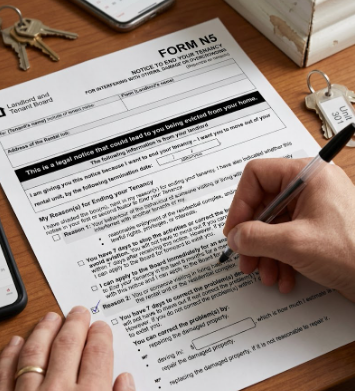
The N5 Damages Notice is a pivotal legal tool for property managers navigating tenant disputes related to interference, damage, or overcrowding in rental properties. However, despite its critical role, many property managers stumble in the filing process, leading to delayed resolutions, legal challenges, or outright dismissal of their cases. These missteps often stem from a misunderstanding of the notice’s specific requirements, inaccurate documentation, or misinterpretation of tenant violations under the Residential Tenancies Act. Consequently, entrenched errors in filing N5 notices not only prolong tenant damage claims but also complicate eviction procedures, burdening landlords with preventable setbacks.
Common Filing Mistakes in N5 Damages Notices by Property Managers
Property managers often underestimate the complexity embedded within the N5 Damages Notice filing process. One of the most frequent mistakes is misidentifying the legal basis of the complaint. The N5 form distinctly categorizes tenancy infractions into interference (such as excessive noise or harassment), damage (whether willful or negligent harm to property), and overcrowding (exceeding legally permitted occupants). Using the wrong category or mixing multiple issues within a single notice dilutes the clarity of the complaint and reduces the chance of a successful case outcome.
Another pervasive error involves vague descriptions and missing critical details. For instance, without precise dates marking when damage or interference occurred, or without specifics on the nature of lease violations, the notice may lack the credibility required by the Landlord and Tenant Board (LTB). Property managers must articulate the events with exactitude, backed by robust evidence. Failure to include comprehensive documentation such as photo evidence, repair invoices, witness statements, and incident logs results in a weak or voidable notice.
Additionally, many property managers falter in adhering to procedural timelines. The N5 demands that tenants receive a 7-day period to correct the problem after notice service. If property managers do not strictly follow these legal timelines or serve the notice improperly, their case risks being dismissed. Equally crucial is maintaining records proving the notice was served correctly — lacking this proof can be fatal to eviction proceedings.
A telling example involves a property manager filing an N5 notice citing damage but referencing interference incidents in the same document. When the tenant responds with a dispute, the case degenerates into confusion, forcing prolonged negotiations or hearings that might have been avoidable. This underscores how critical it is to segregate complaints by the relevant grounds and to be meticulous in filing.
Precision in Drafting Legal Notices to Prevent N5 Filing Errors
Legal notice drafting in property management demands not only accuracy but also a narrative that meets the Board’s expectations. Precision begins with selecting the right legal ground reflective of the actual tenant behavior. For example, a tenant hosting unauthorized additional occupants should be issued an overcrowding notice rather than a damage notice, despite potentially overlapping issues.
In drafting, every detail counts. Property managers must provide a clear incident description, precise dates, and a defensible narrative explaining the damage or interference. This clarity builds credibility and leverages the landlord’s position before the LTB. Alongside written narratives, assembling a comprehensive file including time-stamped photos and witness statements ensures that the evidence supports the allegations. This approach not only aligns with Board requirements but also anticipates tenant defenses.
Documentation should be methodically organized to facilitate Board review. Pairing incident logs with photographic evidence, repair bills, and communication records makes the landlord’s claim airtight. Such preparation lends strength to claims and reduces the potential for costly delays or dismissal due to technical deficiencies.
Property managers who employ professional paralegals or legal advisors for N5 drafting often see significantly improved outcomes. Experts understand subtle nuances such as when to escalate from an N5 to a more severe notice or strategically frame allegations to maximize legal pressure. This professional alignment is critical in complex tenancy disputes that hinge upon clear and defensible narratives.
Effective Strategies for Tenant Damage Claims and Lease Violations
Tenant damage claims and breach of lease terms require a balanced, legally grounded strategy to protect property owners while respecting tenant rights. The N5 framework provides a mechanism to challenge and rectify disruptive tenant behavior. However, executing this requires careful planning. Property managers benefit most from methodical steps, starting with accurate damage assessment. This involves:
- Conducting thorough inspections with clear photographic evidence immediately after suspected damage.
- Recording all communication pertaining to the incident with time stamps and content details.
- Collecting third-party statements or expert opinions to substantiate damage severity where applicable.
Damage assessment forms the foundation for claims and influences remedies sought, including repair costs and potential rent adjustments. Timely identification of escalating lease violations allows property managers to intervene before small infractions grow into chronic issues undermining tenant relations and property upkeep.
When lease violations persist despite notice, the N5 provides a gateway to formal Board involvement. Precise documentation aligned with the legal grounds assures stronger standing in hearings. The strategy for repeated tenant issues may differ from isolated incidents; repeated infractions often foreclose correction periods and expedite eviction procedures.
To streamline your property management process and minimize costly errors in tenant damage claims, consider partnering with Gangadin & Company Legal Services, whose expertise in legal notices and property dispute resolution sets the industry standard.


