
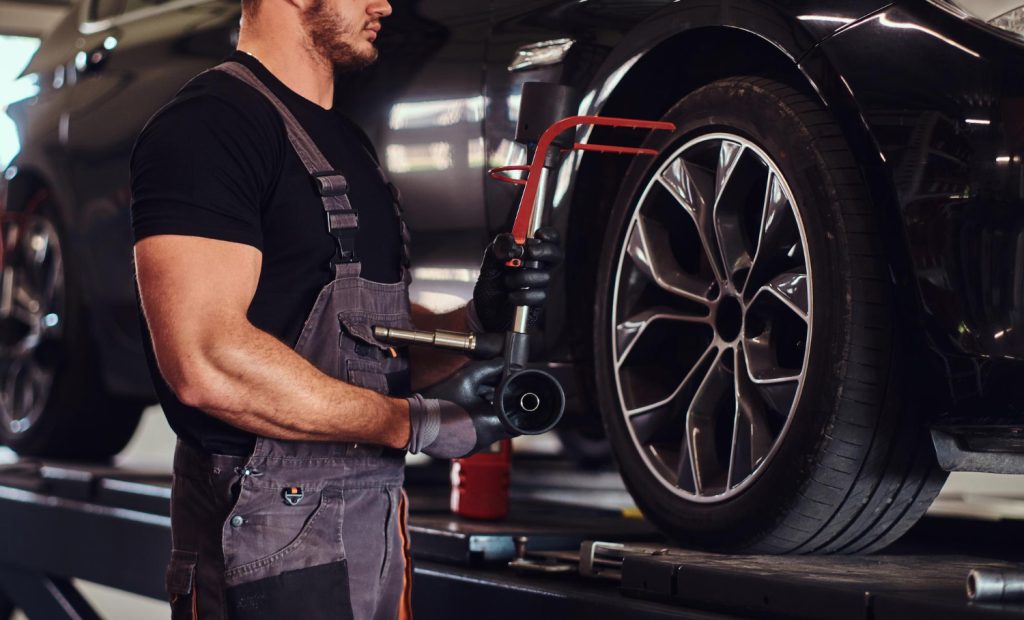
Maintaining proper wheel alignment is essential for ensuring a smooth and safe driving experience. Misalignment can lead to your vehicle pulling to one side, uneven wear on your tires, and compromised handling. Being aware of the warning signs that indicate your vehicle needs adjustment can help you avoid costly repairs and enhance your overall safety on the road. This guide will highlight the key indicators that show it may be time to have your car’s alignment checked.
The Importance of Proper Wheel Alignment
Wheel alignment refers to the adjustment of your car’s wheels so that they sit at the optimum angles in relation to the ground and each other. This process is vital for multiple reasons:
- Improves handling: A well-aligned vehicle provides smoother steering and enhances overall control.
- Extends tire life: Proper alignment prevents uneven tire wear, saving you money in the long run.
- Boosts fuel efficiency: When wheels are aligned, your engine doesn’t have to work as hard, leading to better mileage.
- Ensures safety: With aligned wheels, you’re less likely to experience unexpected pulling, which can be dangerous on the road.
Common Signs That Your Car Needs Alignment
Knowing the signs that your vehicle requires wheel alignment can help you avoid serious issues. Watch out for these telltale indicators:
1. Vehicle Pulls to One Side
If your car drifts to the left or right while driving straight, it’s a clear sign that your wheels aren’t aligned. This pull can be subtle at first but may worsen over time, making it essential to address this issue immediately.
2. Uneven Tire Wear
Check your tires regularly; if you notice that the tread is wearing more on one side than the other, it may be due to misalignment. You can easily spot this by running your hand across the tire’s surface. If it feels uneven, it’s time to have an alignment check.
3. Off-Center Steering Wheel
Your steering wheel should sit perfectly straight when you’re driving on a level surface. If it appears tilted or requires constant adjustment to keep the car on a straight path, it’s a strong indication that an alignment is necessary.
4. Vibrations in the Steering Wheel
Feeling vibrations in your steering wheel—particularly at higher speeds—can signal that your wheels are off balance or misaligned. Ignoring this issue can worsen your driving experience and lead to further mechanical issues.
The Dangers of Ignoring Misalignment
If you’ve noticed any of these signs, it’s crucial to act promptly. Allowing misalignment to persist can lead to more serious complications, such as:
- Increased Repair Costs: Continuing to drive on misaligned wheels can strain your vehicle’s suspension and steering components, leading to costly repairs.
- Decreased Fuel Efficiency: Misalignment increases rolling resistance, leading to heavier fuel consumption and a larger environmental footprint.
- Compromised Safety: Reduced control over the vehicle could significantly heighten the risk of accidents, especially in adverse conditions.
When to Schedule a Wheel Alignment
Don’t wait for issues to materialize. Consider scheduling an alignment check in the following scenarios:
- Every 6,000 miles or at least twice a year, regardless of driving style or conditions.
- After hitting a significant pothole or curb, as even minor impacts can affect alignment.
- Whenever you replace tires or suspension components.
- Whenever you notice any handling changes or steering issues.
Monitoring the condition of your vehicle’s wheel alignment is indispensable in ensuring a smooth and safe driving experience. Whether you’re noticing subtle signs of misalignment or facing drastic handling issues, staying proactive by scheduling regular checks can save you from future headaches and expenses. For comprehensive vehicle maintenance and solutions tailored to your needs, consider reaching out to DOUGS AUTOCARE.
Maintaining proper wheel alignment is crucial for ensuring your vehicle not only performs optimally but also remains safe on the road. Detecting the warning signs that indicate your vehicle needs adjustment can save you from expensive repairs and enhance your overall driving experience. Common indicators such as uneven tire wear, your car pulling to one side, or a steering wheel that feels off-center should never be overlooked. These symptoms serve as vital clues that misalignment could be occurring, and addressing them promptly can prevent further complications.


