
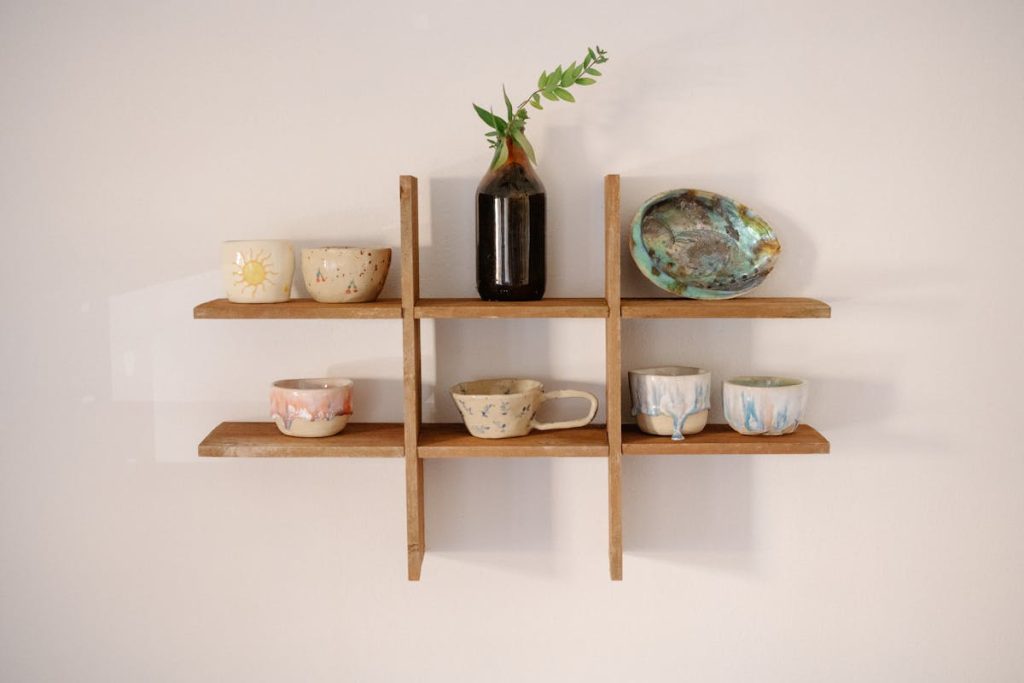
Can you safely hang shelves on plasterboard walls? Many hesitate, fearing damage or failure. Yet with the right technique and fixings, plasterboard shelves can be sturdy and durable. This article explores essential tips on planning, choosing the correct anchors, fitting brackets, and safely loading your shelves to keep them secure and reliable over time.
Are Wall Shelves on Plasterboard Safe?
Plasterboard is often seen as delicate due to its composition: a thin cladding over hollow frameworks.
Traditional wall plugs used for concrete or brick are ineffective here. Instead, specialized fixings are necessary that cater to the hollow space behind the board. When correctly chosen, these anchors distribute weight safely, preventing pull-out or damage.
For light decorations, minimal fixings suffice, but heavier shelves require multiple secure points to spread the load. Understanding plasterboard limits and using quality fixings ensures shelf safety for years.
Planning the Installation
Proper planning is crucial for a safe shelf setup on plasterboard.
Determine Shelf Purpose and Load
First, decide what the shelf will hold: decorative items, books, or heavier equipment. This decision dictates the type of shelf and the number and kind of wall plugs needed.
Locate Wall Studs
Using a stud and cable detector, try to position fixings where they can hit wall studs. This allows part of the weight to transfer directly to the structure, enhancing stability. Avoid drilling into electrical or plumbing lines.
Prepare Your Tools
Gather a drill with a plasterboard bit, tape measure, spirit level, pencil, screwdriver, and detector for an efficient process.
Choosing the Right Fixings for Plasterboard
Understanding which anchors work best is key to secure shelves.
| Fixing Type | Application | Load Capacity |
|---|---|---|
| Molly Bolts | Medium to heavy shelves with multiple fixings | High – metal expansion forms a wide anchor behind the board |
| Cavity Expansion Plugs | Light to medium loads, smaller shelves | Moderate – fold out or wing out behind the plasterboard |
| Self-Drilling Spiral Plugs | Very light shelves and pictures | Low – not recommended for heavy loads |
Using multiple fixings spaced evenly enhances load distribution.
Brackets and Shelf Selection
The shelf’s structure is as important as the fixings.
Floating Shelves
Floating shelves look sleek with hidden fixings but depend on wall plugs alone for support. This limits them to medium loads such as decorations or a few books.
Brackets
Metal brackets improve load capacity by transferring some forces diagonally. Using strong brackets plus several Molly bolts distributes load better and reduces shelf flexing.
Always respect manufacturers’ load guidelines and keep a safety margin. For example, design for 10 kg but only load 6-7 kg for added security.
Mounting shelves on plasterboard is safe if you respect material limits, plan carefully, and choose proper anchors and brackets. Use Molly bolts or cavity plugs for heavier loads and consider metal brackets for extra strength. Equip yourself with the right tools and knowledge, and you’ll enjoy stable shelves for years.


