
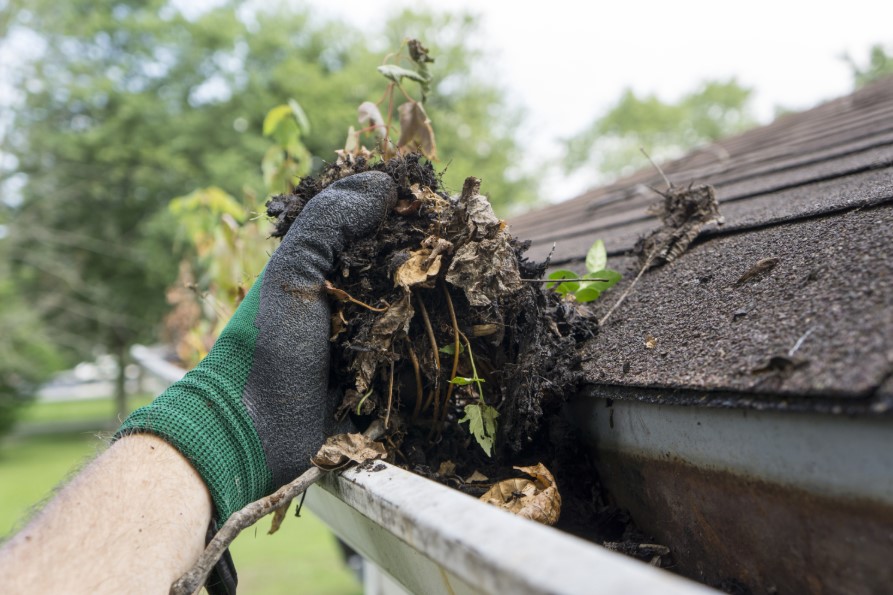
Keeping your gutters free from clogs may seem like a tedious chore, but a little regular attention, even just a few minutes, can save you from costly home repairs. In this article, we’ll explain easy and effective ways to prevent blocked gutters, why it matters, and how simple upkeep habits protect your home year-round.
Why Regular Gutter Maintenance Matters
Clogged gutters may not look like a big deal at first, but the consequences can be serious if left unchecked. Blockages stop water flowing properly, which can lead to roof leaks, water damage to siding or foundations, and even pest infestations. Regular care keeps water flowing where it should be and prevents common issues before they become expensive problems.
Home improvement experts recommend inspecting and cleaning gutters at least twice a year, typically in the spring and fall, and more often if your home is surrounded by trees. This simple habit reduces the risk of water damage, mold growth, and structural problems caused by overflowing rainwater.
By spending just a few minutes regularly, you’ll keep your gutter system working well and your home protected against water-related damage.
Common Problems Caused by Clogged Gutters
Debris buildup can quickly block water flow. When water can’t drain properly, it spills over the edges and seeps into your home’s exterior surfaces. This can damage paint, rot wood trim, and weaken foundations over time. Standing water also becomes a breeding ground for insects and algae, creating further maintenance headaches.
In colder climates, clogged gutters can contribute to ice dams in winter, where trapped water freezes and disrupts roof edges. Ice dams may force water under shingles, leading to leaks and roof damage.
Quick Daily and Seasonal Habits to Prevent Blockages
With just a few minutes of upkeep here and there, you can dramatically reduce how often your gutters clog. The key is consistent attention and a few smart habits that prevent debris buildup from becoming a problem.
1. Stay Aware With Quick Visual Checks
Make it a habit to glance at your gutters after heavy winds, plant flowering seasons, or autumn leaf fall. Quick visual checks help you spot debris, sagging, or pooling water before it becomes a blockage.
Looking for early signs of trouble, such as water spilling over during rain or visible piles of leaves, lets you act promptly. Timely action prevents blockages from growing worse and saves effort later.
2. Trim Nearby Trees and Branches
One of the most effective ways to keep gutters clear is to reduce the amount of debris falling into them in the first place. Overhanging tree branches drop leaves, twigs, and needles directly into your gutters, especially during autumn and after storms.
Trimming branches so they are several feet away from your roofline greatly decreases debris entering your gutter channels. This simple landscaping habit dramatically lowers the frequency of clogs.
3. Ensure Proper Gutter Slope and Alignment
For gutters to work well, water must flow toward the downspouts. Gutters that sag or are misaligned tend to collect standing water and debris, creating perfect conditions for blockages. Proper gutter pitch helps water and debris move out naturally, decreasing the chance of backups.
Regularly checking gutter alignment and making small adjustments ensures water runs smoothly through the system.
Tools and Upgrades That Help Reduce Upkeep Time
A few simple tools and preventive devices can make gutter maintenance faster and more effective, so you spend less time on the chore and more time enjoying your home.
Gutter Guards: Your First Line of Defense
Installing gutter guards is one of the most recommended ways to reduce debris buildup. These covers or screens sit atop your gutters and block leaves, seed pods, and other large debris while letting water flow through.
There are several types, such as mesh screens, foam inserts, and surface tension guards, each with benefits and limitations. Guards don’t eliminate cleaning, but they significantly lower how often you’ll need to scoop debris out.
Pressure Washers and Gutter Wands
If you do need to clean, simple tools like a garden hose, gutter wand, or even a low-pressure washer can help clear out smaller debris and flush water through downspouts. These tools save time compared to hand-scooping debris and help dislodge mud and grit stuck in the system.
Always use caution with a pressure washer and ensure you’re not damaging gutter components with overly strong water jets.
Downspout Strainers and Leaf Filters
Small additions like downspout strainers help keep debris from entering and clogging the vertical pipes. These inexpensive filters reduce blockages and make flushing downspouts easier when needed. :contentReference[oaicite:8]{index=8}
By pairing strainers with regular gutter guards, you enhance your system’s ability to stay clog-free with very minimal effort.
Safety First: Tips for Maintaining Gutters Without Risk
Cleaning gutters often means working at heights. Falls from ladders are a common hazard during home upkeep. Always prioritise safety to protect yourself while caring for your gutters.
Before climbing any ladder, ensure it’s stable, on a firm surface, and secure. Wear protective gloves and goggles to guard against sharp debris and pests hiding in the gutters. When in doubt, hiring a professional is the safest option , especially for multi-story homes or complex rooflines.
Simple habits like having a second person stabilise the ladder and using proper footwear with good traction reduce the risk of slips significantly.
Conclusion
Preventing clogged gutters doesn’t have to be a major chore, a few minutes of regular maintenance go a long way. By trimming trees, keeping an eye on gutter alignment, installing gutter guards, and using helpful tools like strainers and wands, you can minimise debris buildup and protect your home from water damage. Regular visual checks and basic safety practices make maintenance easier and safer.
If you’d like expert help keeping your gutters in top shape, contact a professional gutter maintenance service today to schedule a check or installation. Don’t wait for the next storm, protect your home’s drainage system now and enjoy peace of mind year-round!


