
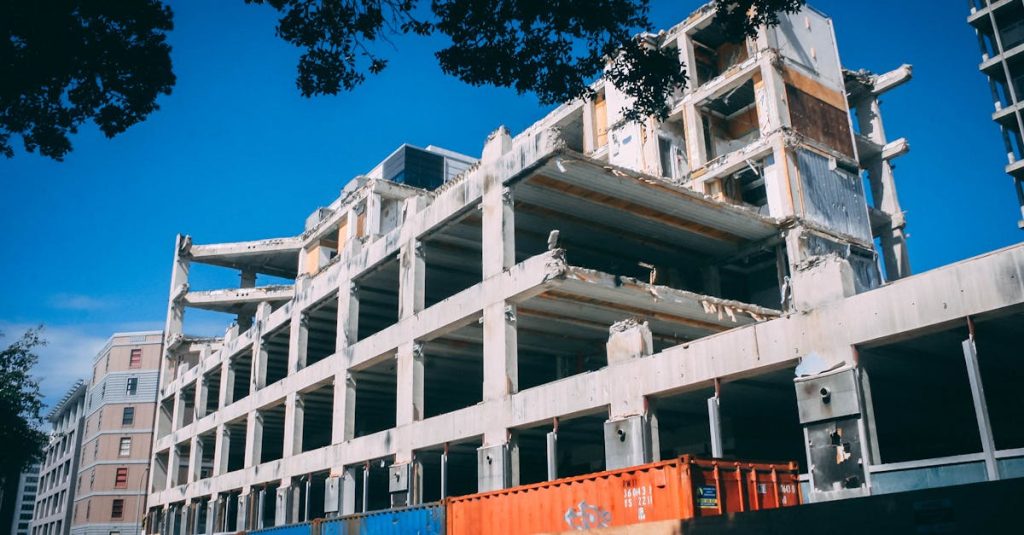
Demolition may seem like a simple task, but effective planning is the backbone of a successful project. Understanding the critical steps involved is essential for ensuring a safe and efficient process. Let’s delve into the vital aspects of demolition that every contractor and property owner should consider.
What are the Basics of Demolition
Before embarking on any demolition project, grasping the fundamental concepts is key. Recognizing what demolition encompasses allows you to make informed decisions throughout the process.
Assessment of the Building
Begin by conducting a detailed assessment of the building to determine its size and structural integrity. This evaluation plays a significant role in selecting the right demolition method. A thorough inspection can also highlight the materials used and their potential hazards, facilitating better planning.
Identifying Potential Hazards
It’s essential to identify hazardous materials such as asbestos or lead paint that may pose risks during the demolition. Proper management of these materials is crucial to comply with safety regulations and avoid legal issues. Addressing these concerns early on can ensure a smoother demolition process.
Permits and Regulations
Obtaining the necessary permits is a critical step before you start tearing down. Local regulations dictate specific requirements that must be followed to avoid fines or legal complications. Engaging with local authorities early can provide insights into the necessary paperwork and compliance measures.
Planning Your Demolition
Once you’ve assessed the building, the next phase involves meticulous planning. A clear strategy not only enhances safety but also streamlines the demolition process.
Creating a Comprehensive Demolition Plan
A well-structured demolition plan outlines the sequence of activities, safety measures, and waste disposal methods. By detailing each aspect, you ensure that everyone involved understands their roles and responsibilities. This proactive approach minimizes confusion and enhances efficiency on-site.
Site Preparation
Preparing the site involves securing the area and ensuring safety. Erecting barriers and placing signage around the demolition zone can help prevent unauthorized personnel from entering. Additionally, disconnecting all utilities like electricity, water, and gas is crucial to avoid accidents during demolition.
Equipment Selection
Choosing the appropriate machinery is vital for ensuring safe and effective demolition. Depending on the building’s size and construction, equipment such as excavators, bulldozers, or even specialized machinery may be required. This decision should also consider environmental impact, so it’s wise to consult professionals when selecting equipment.
Executing the Demolition Process Safely
The actual demolition requires strict adherence to safety protocols, emphasizing the protection of workers and the surrounding environment.
Implementing Safety Measures
All workers should wear personal protective equipment (PPE) to shield against potential hazards. Items like helmets, gloves, and dust masks are essential in promoting safety on-site. Continuous monitoring during demolition further ensures that any unusual conditions are promptly addressed.
Managing Dust and Debris
Dust control is a critical consideration during demolition. Utilizing water sprays and erecting barriers can help minimize dust spread and keep the surrounding environment safe. Properly planning dust management not only benefits onsite safety but also reduces the risk of complaints from nearby residents.
Monitoring Structural Stability
Monitoring the stability of the structure during demolition is essential to prevent accidents. Regular assessments can identify signs of instability, prompting immediate action if necessary. Keeping an eye on these conditions allows for quick adjustments and maintains a safe work environment.
Waste Management and Site Cleanup
Once the demolition is complete, managing debris and ensuring the site is clean for future use are paramount next steps in the process.
Sorting and Recycling Materials
Sorting debris allows for the identification of recyclable materials, which helps to minimize landfill contributions. Items like metal, wood, and concrete can often be repurposed, which benefits the environment. Not only does this approach promote sustainability, but it can also create additional revenue streams from salvaged materials.
Proper Disposal Practices
Transporting waste to designated recycling centers or landfills should adhere to local environmental regulations. Proper disposal practices are crucial for maintaining compliance and protecting the ecological balance of the area being developed. Working with professionals can ensure that waste management aligns with industry standards.
Restoring the Site for Future Use
Once cleanup is complete, restoring the site for future construction or landscaping can begin. Leveling the ground and removing potential hazards prepares the area for new developments. This step is vital in enhancing property value and promoting urban growth.
By understanding these fundamentals, individuals and businesses can navigate the complexities of building demolition confidently. Don’t hesitate to contact professional demolition services to ensure your project is handled efficiently and safely. Your journey towards transformation begins now!
https://www.youtube.com/watch?v=6Lp3YbnVQVU


