
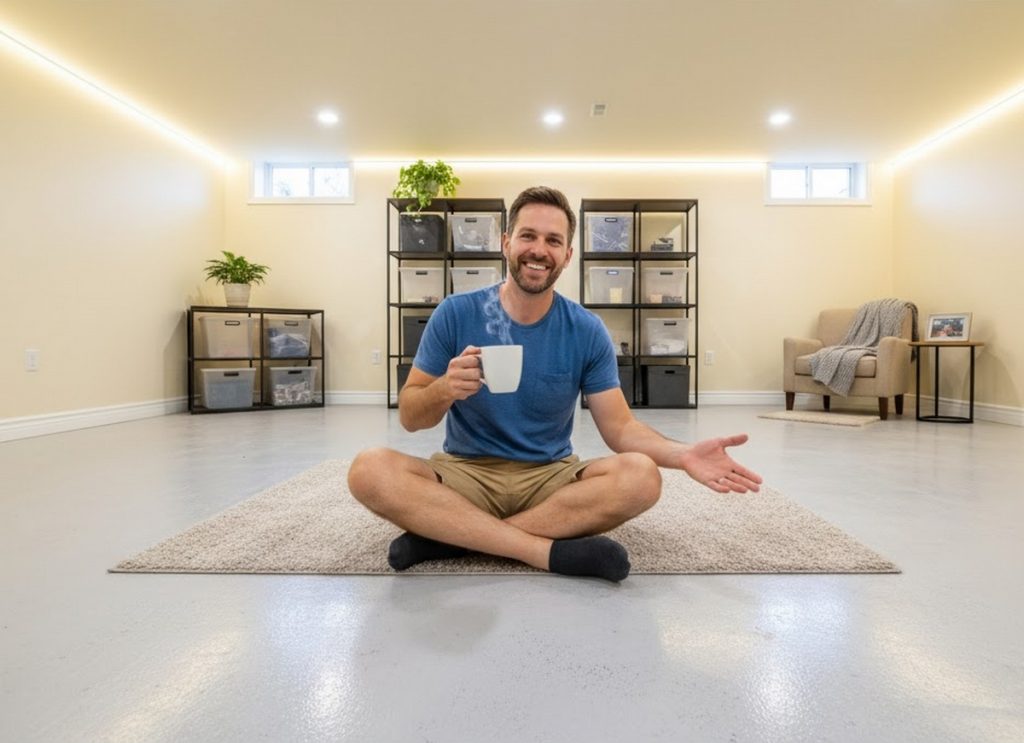
Mastering effective moisture control is essential for safeguarding your home and maintaining its structural integrity against common water damage issues. Discover practical, sustainable solutions to eliminate persistent dampness and proactively prevent costly problems caused by unwanted condensation and leaks. Implement these proven techniques now to ensure a dry, healthy living environment that significantly boosts your property’s long-term durability.
Understanding the Root Causes of Moisture Problems
Before diving into moisture-proofing solutions, it’s vital to recognize what invites dampness into your home. Moisture can sneak in through various channels, and pinpointing the exact culprit is half the battle won. Whether it’s water creeping through brickwork, defects in roofing, or indoor condensation, understanding the source helps identify the smartest way to shield your space from future invasion.
Homes built before the late 19th century often lack an effective barrier against moisture rising from the ground, while newer ones may face challenges from aging or damaged drainage systems. External water leaks, like faulty gutters or cracked walls, also contribute significantly to indoor damp patches, often showing up in unexpected corners or ceilings.
Additionally, everyday activities such as cooking, bathing, and drying clothes inside can generate excess moisture, leading to persistent condensation. This invisible enemy can gradually wear down paintwork and promote mould, impacting both the property and health.
Rising Damp and Its Stealthy Advances
Rising damp happens when groundwater travels upward through porous brick or mortar, ignoring gravity’s usual pull. This often manifests as dark, tide-like marks along skirting boards and walls, typically no higher than one meter. The culprit? Either a damaged damp-proof course or the complete absence of one, common in older constructions.
Recognizing these telltale signs early, such as salt deposits, peeling paint, or a musty odor, can prevent extensive damage. Timely action often involves installing or renewing protective barriers to halt moisture’s upward march.
Penetrating Damp: Moisture’s Sneaky Entry
Unlike rising damp, penetrating damp invades through damaged surfaces. Be it leaky roofs, broken gutters, or cracked walls. You might notice damp patches appearing higher up, causing swelling plaster or discolored ceilings. Pinpointing these leaks swiftly is essential to avoid the waterworks turning into a costly repair saga.
Repairs often range from clearing blocked gutters to mending roof tiles, effectively sealing off the routes water exploits to infiltrate your home’s cozy interiors.
Proven Strategies to Keep Moisture at Bay
Once you’ve identified the source, it’s time to spring into action with tried and true moisture-proofing techniques. These methods not only safeguard your walls and floors but also ensure a healthier living environment for your family or tenants.
Implementing structural fixes alongside improving indoor air quality can dramatically diminish damp-related woes. Let’s walk through some effective approaches that bring real, lasting results.
Injecting a New Damp-Proof Course
If rising damp is the issue, reinstating a damp-proof course using a specialized damp-proofing cream can stop moisture in its tracks. Applied by professionals who inject this solution through tiny wall holes, it forms an invisible shield against ground moisture. This method is minimally invasive and usually the go-to choice for many homes suffering from upward damp intrusion.
Alternatively, more extensive brickwork removal and replacement may be necessary, but this is reserved for severe cases where injection won’t suffice.
Fixing Faulty Gutters and Roofs
For penetrating damp, repairing damaged roofing or gutters is a straightforward yet crucial step. Unclogging gutters or replacing missing tiles seals cracks and channels rainwater safely away from your property’s walls. This addresses leaks before they’ve had a chance to see your interiors partially flooded or interiors stained.
Neglecting these repairs only invites ongoing battles against mould, rot, and the musty odors typical of neglected damp spots.
Combatting Condensation with Ventilation and Dehumidifiers
Condensation-related moisture is often managed by improving airflow and reducing indoor humidity. Installing air bricks or vents promotes circulation under floors and around chimneys, reducing stagnant damp pockets. Furthermore, using a dehumidifier during colder months draws excess moisture from the air, keeping windows and walls dry and happy.
Simple lifestyle changes, like running extractor fans while cooking and avoiding indoor drying of clothes on radiators, work wonders in keeping condensation under control.
The Daily Habits That Make or Break Moisture Control
Even the best waterproofing will struggle if everyday activities add fuel to the moisture fire. Knowing which habits to tweak can keep your home dry and welcoming without major structural work.
From mindful cooking practices to clever ventilation, small changes can create a huge impact on your living conditions while preventing costly repairs down the line.
Ventilate wisely: open windows during and after showers or cooking, preferably keeping doors closed to contain moisture in designated areas. Where extractor fans are absent, cracking a window not only freshens air but also keeps humidity levels manageable.
Keep bedroom doors open at night for proper airflow and avoid drying clothes indoors on radiators; using outdoor spaces or well-ventilated airers is healthier for both fabrics and rooms.
By integrating these solutions, homeowners and landlords can significantly reduce the intrusion of moisture and related problems. From structural fixes to mindful ventilation, these tactics work hand in hand to foster dry, comfortable living spaces.
Don’t let dampness water down your home’s charm. Act wisely and protect your investment. For best results, consult with a reputable damp-proofing specialist who can tailor the ideal remedy for your unique situation. Say goodbye to puddles, and hello to a cozy, moisture-free home!
https://www.youtube.com/watch?v=4Lz-9vEltqM


