
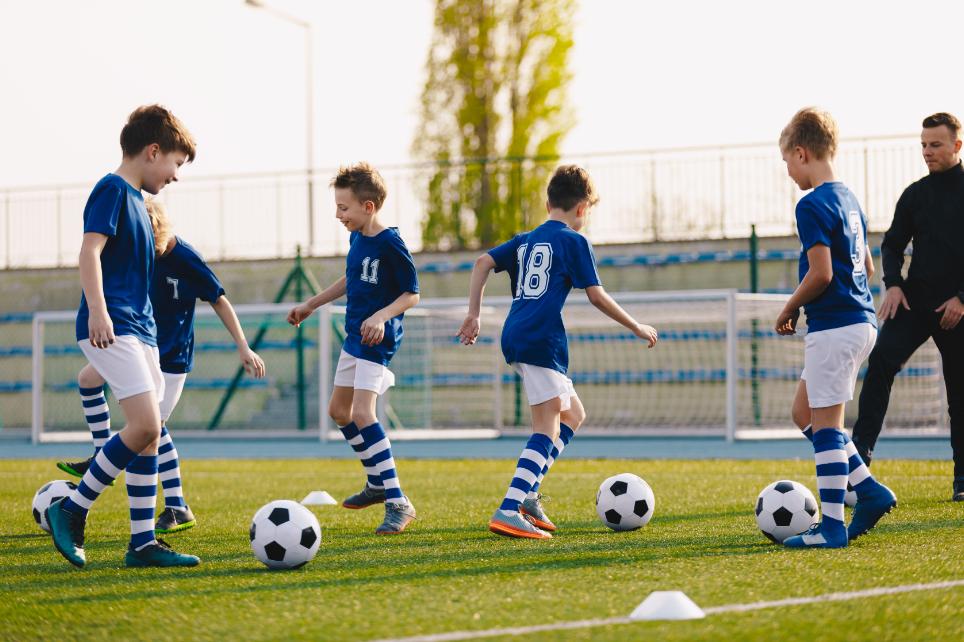
Football is a powerful tool for rapid self-confidence development in children. Stepping onto the pitch is an exciting journey that can reshape their identities. Through teamwork, drills, and competition, kids learn life principles that boost their well-being. This article explores how football classes become a fantastic catalyst for building confidence in young players.
The Engaging Team Environment
One of the primary advantages of football is the supportive team environment it fosters. When kids play together, they learn to rely on one another for success, developing trust and camaraderie that boosts their self-esteem. This connection can lead to a strong sense of belonging, alleviating feelings of isolation and building lifelong friendships.
Further, being part of a team allows children to express themselves in new ways. They become accustomed to collaborating towards a common goal, absorbing valuable life lessons about respect, teamwork, and appreciation for others. This nurturing environment significantly impacts their mental fortitude, making them more resilient in the face of challenges.
Skill Development and Goal Achievement
Football classes emphasize skill acquisition and strategic thinking, which directly correlates to enhanced confidence. As young players master complex techniques, like dribbling, passing, and shooting, they experience a sense of achievement that bolsters their self-worth.
Setting small, achievable goals during training ensures that kids continuously see improvements in their abilities. The thrill of mastering a skill can create a motivational cycle where confidence blooms. This process teaches kids the importance of persistence and reinforces the idea that effort pays off.
Building Mental Resilience
In football, facing setbacks is inevitable. Children learn to handle both victories and defeats, honing their mental resilience in a safe space. This exposure prepares them for challenges that stretch beyond the pitch, enriching their problem-solving skills and emotional intelligence.
Moreover, learning to recover from losses and bounce back strengthens their overall character. By valuing effort over outcomes, children cultivate a growth mindset, essential for future personal and academic success. The skills acquired on the field prepare them well for a variety of challenges they may encounter in life.
Strategies to Elevate Confidence Through Football
While football offers a variety of inherent benefits, there are specific strategies that coaches and parents can implement to further nurture confidence in young players. Leveraging these tactics will ensure children get the most out of their football experience.
Nurturing a Supportive Atmosphere
Creating an encouraging atmosphere is central to building confidence. Coaches should prioritize a player-centered approach, focusing on positive reinforcement rather than criticism. Celebrating small victories, like a well-executed pass or improved dribbling, helps amplify the children’s sense of capability.
Encouraging positive self-talk also plays a vital role in fostering self-belief. Teaching kids to replace negative thoughts with constructive affirmations can significantly shift their mindset. This practice can help them see setbacks as opportunities for growth, rather than frustrating experiences.
Encourage Participation and Enjoyment
Ensuring that football remains enjoyable is crucial. When children derive happiness from playing, their confidence naturally flourishes. Coaches and parents should encourage kids to try new positions or roles during practice, fostering a sense of adventure and curiosity.
Additionally, embracing individual strengths while encouraging teamwork turns every training session into an uplifting experience. When kids realize that their contributions matter, their self-assurance grows, reinforcing their love for the sport.
Using Visualization Techniques
Visualization techniques can significantly enhance a child’s performance on and off the field. By encouraging them to visualize successful interactions and scenarios during play, you strengthen their mental preparedness. This mental rehearsal builds the foundation for confidence in real game situations.
Working on visualization together, whether through guided imagery depending on their age or simply daydreaming about successful moments, can inspire kids and help them feel more in control during actual matches. This process is about transforming anxiety into confidence by preparing them for those key moments of competition.

The Importance of Supportive Adult Involvement
Parents and coaches are integral to fostering a nurturing environment. By actively participating in their child’s football journey and providing the necessary support, they can reinforce the development of self-confidence.
Parents should celebrate their child’s achievements, regardless of how small. Hughes sonorously stated: “Small victories lead to big triumphs.” When children feel celebrated and recognized, they learn to appreciate their journey, increasing their self-esteem.
Coaches are tasked with creating an inclusive atmosphere where every child feels valued and important. By implementing thoughtful game strategies and being approachable, they can build trust, encouraging kids to express their feelings and concerns freely.
As children learn and grow in this enriched environment, their confidence grows, allowing them to take full advantage of the personal and social benefits football offers.
See how football classes can transform your child’s confidence? Sign up for a free trial session and watch them unlock their potential on and off the pitch! Contact
 Unite Football Academy’s team for more informations.
https://www.youtube.com/watch?v=MRdg-GYLOvs


