
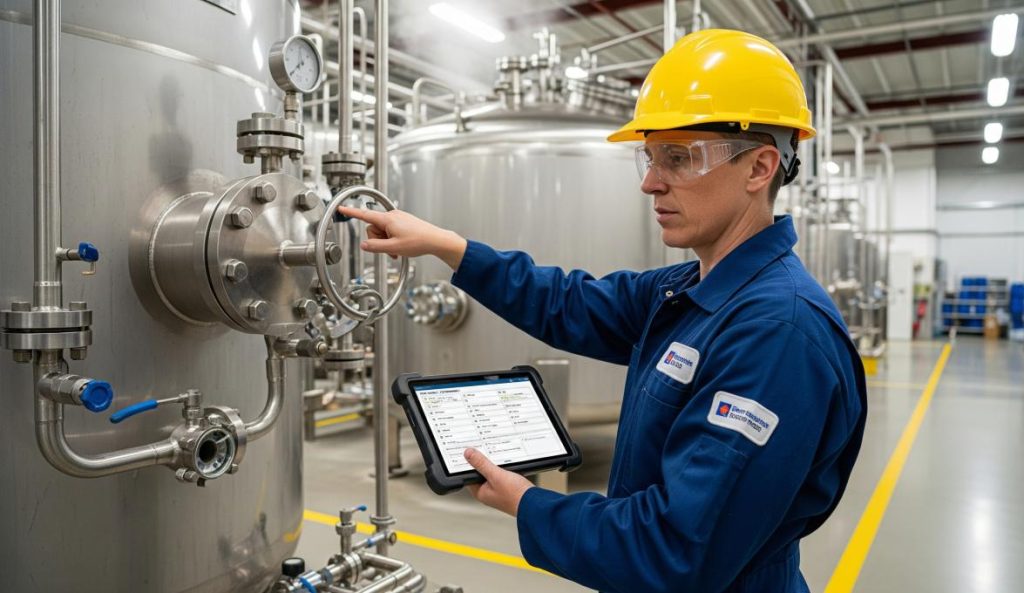
Chemical tanks are vital components across industries such as pharmaceuticals, agriculture, and manufacturing. These tanks store and transport substances that are central to production processes. Maintaining them properly isn’t just a technical necessity, it’s a strategic decision that safeguards your operations, your workforce, and the surrounding environment.
Prioritizing Safety Through Preventive Maintenance
Safety is the foremost concern when dealing with chemical storage. Tanks often contain hazardous materials that, if mishandled or poorly maintained, can lead to serious incidents. Leaks, spills, and structural failures pose risks not only to employees but also to nearby communities and ecosystems.
Routine inspections by certified professionals help identify early signs of corrosion, wear, or leakage. Addressing these issues promptly prevents accidents and ensures compliance with safety regulations. A proactive maintenance approach reduces liability, builds trust with regulatory bodies, and fosters a secure workplace culture.
Protecting Chemical Integrity and Product Quality
Beyond safety, the condition of your chemical tanks directly affects the quality of the substances they hold. Tanks are designed to store specific chemicals under controlled conditions. Any compromise, whether through contamination, corrosion, or residue buildup, can degrade the product and disrupt production.
Regular cleaning and inspection routines help eliminate impurities and maintain chemical purity. This is especially important for industries with strict quality standards, where even minor contamination can lead to costly product recalls or regulatory penalties. Maintaining chemical integrity also reinforces your brand’s reputation for reliability and excellence.
Avoiding Expensive Repairs and Operational Delays
Neglecting tank maintenance can result in costly consequences. Small issues, if left unchecked, may escalate into major structural failures or complete tank replacements. These emergencies often lead to production halts, missed deadlines, and increased repair costs.
A well-structured maintenance program allows for early detection and timely intervention. By resolving minor faults before they become critical, businesses can avoid unplanned downtime and maintain operational continuity. In the long run, this translates into better cost control and more predictable workflows.
 Building an Effective Maintenance Strategy
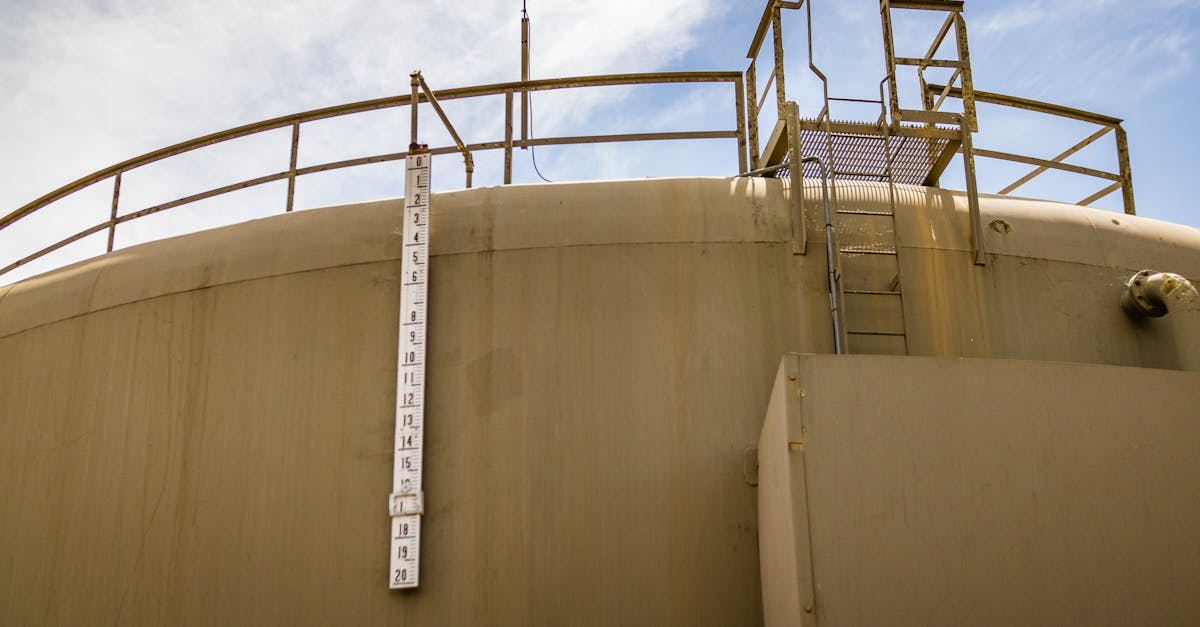
A successful maintenance plan involves more than occasional checkups, it requires consistency, documentation, and attention to detail. Regular visual inspections help spot surface-level damage, while more thorough structural assessments reveal deeper vulnerabilities.
Cleaning schedules should be tailored to the type of chemicals stored, ensuring that residues don’t compromise future batches. Tanks must also be clearly labeled with hazard information and stored in conditions that prevent exposure to extreme temperatures or reactive substances.
Keeping detailed records of inspections, cleanings, and repairs supports regulatory compliance and helps track the tank’s lifecycle. This documentation is invaluable for audits, insurance claims, and long-term planning.
Labeling and Storage: Small Steps with Big Impact
Proper labeling is a simple yet essential part of chemical tank safety. Clear, durable labels should indicate the contents, associated risks, and handling instructions. This ensures that all personnel, whether seasoned technicians or temporary staff, understand the precautions required.
Storage conditions also play a critical role. Tanks should be placed in areas protected from physical damage, direct sunlight, and temperature extremes. These measures reduce the risk of degradation and extend the lifespan of your equipment.
Maintenance Timeline: Staying Ahead of Risk
|
Maintenance Activity |
Frequency |
Purpose |
|---|---|---|
|
Visual Inspection |
Monthly |
Detect surface corrosion or visible leaks |
|
Structural Assessment |
Bi-annually |
Evaluate tank integrity and material fatigue |
|
Internal Cleaning |
Annually |
Remove buildup and prevent contamination |
|
Leak Testing |
Annually |
Confirm seal integrity and pressure control |
|
Label and Safety Review |
Quarterly |
Ensure hazard communication is up to date |
Following a consistent schedule helps prevent oversights and ensures that tanks remain in optimal condition year-round.
Proper chemical tank maintenance is more than a regulatory requirement, it’s a business-critical practice that protects your assets, your people, and your reputation. By investing in regular inspections, thorough cleaning, and secure storage, you reduce risk, maintain product quality, and avoid costly disruptions.
To strengthen your chemical safety protocols and ensure long-term reliability, partner with a specialized maintenance provider. A trusted company can tailor a plan to your operational needs and help you stay compliant, efficient, and protected. Take the next step toward safer, smarter chemical storage today.
https://www.youtube.com/watch?v=lnZj-MaePl4


