
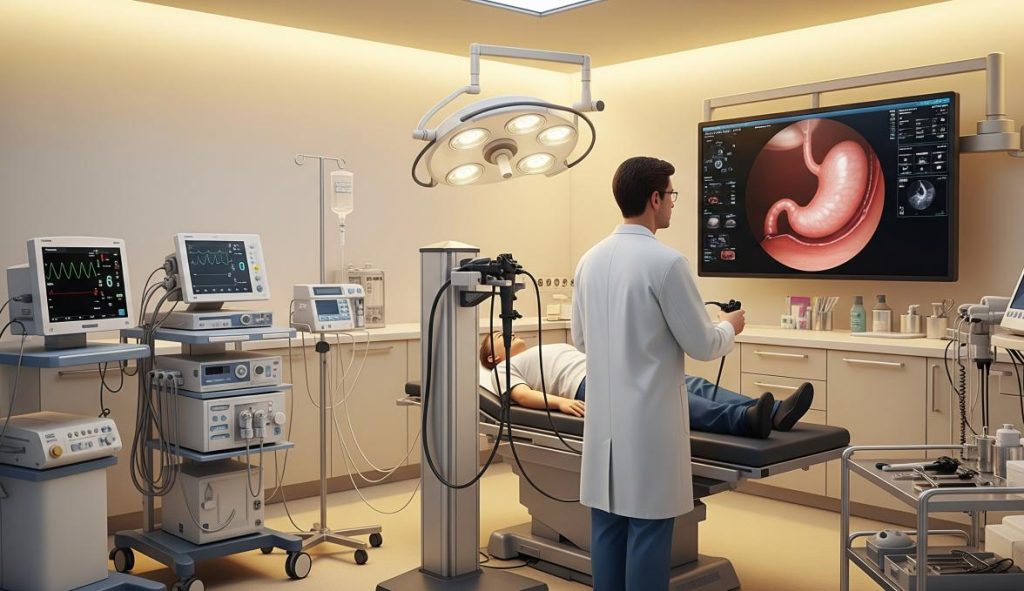
Digestive discomfort can be both distressing and disruptive, often prompting individuals to seek clarity about what might be happening inside their bodies. One of the most effective diagnostic tools for evaluating upper digestive health is a gastroscopy, a minimally invasive procedure that offers a direct view of the internal structures involved in digestion.
What Is a Gastroscopy?
Before exploring the reasons for undergoing a gastroscopy, it’s important to understand what the procedure entails. A gastroscopy is a medical examination in which a healthcare professional uses a slender, flexible tube equipped with a light and camera to inspect the upper digestive tract. This includes the throat, the muscular tube that carries food to the stomach, the stomach itself, and the first section of the small intestine.
What Happens During the Procedure?
During the examination, the tube is gently inserted through the mouth and guided down the throat. The patient typically lies on their side, and a mouth guard is used to protect the teeth. Air is introduced into the stomach to expand the area and allow for clearer visibility. If necessary, small tissue samples may be collected for further analysis.
The procedure is usually brief, lasting around ten minutes, although the entire visit may take longer due to preparation and recovery time. Sedation is often provided to help the patient relax, though they remain conscious throughout.
Common Symptoms That May Require a Gastroscopy
Several digestive symptoms may indicate the need for this examination. Recognizing these signs can lead to earlier diagnosis and more effective treatment.
Ongoing Indigestion or Burning Sensation
Frequent discomfort or a burning feeling in the upper abdomen or chest may suggest a deeper issue. While occasional indigestion is common, persistent symptoms should be investigated further.
Difficulty Swallowing
If you experience the sensation of food getting stuck in your throat or chest, it may be due to narrowing or inflammation. A gastroscopy can help identify the cause and guide appropriate treatment.
Unexplained Abdominal Pain
Recurring pain in the abdomen is one of the most common reasons people seek medical advice. A gastroscopy can reveal conditions such as ulcers, inflammation, or other structural problems that may be contributing to the discomfort.

When Is a Gastroscopy Recommended?
There are several scenarios in which this procedure is particularly useful. Understanding these can help you make informed decisions about your care.
Severe Acid Reflux
Chronic acid reflux can damage the lining of the digestive tract. A gastroscopy allows doctors to assess the extent of this damage and identify any complications that may have developed.
Testing for Harmful Bacteria
Certain bacteria can cause ulcers and increase the risk of serious conditions. While other tests exist, examining tissue samples collected during a gastroscopy offers the most accurate results.
Investigating Persistent Symptoms
Symptoms such as ongoing nausea, vomiting, or unexplained weight loss may require a closer look. A gastroscopy can help rule out serious conditions and provide clarity for further treatment.
Preparing for the Procedure
Your healthcare provider will give you instructions to follow before the examination. Typically, you’ll be asked to avoid eating or drinking for several hours to ensure the stomach is empty.
After the Procedure
Once the examination is complete, you may feel drowsy for a few hours due to the sedation. You’ll be monitored until you’re fully alert, and it’s recommended to avoid driving or consuming alcohol for the rest of the day. Most people can return to normal activities the following day.
Understanding the Results
Your doctor will review the findings with you, and if tissue samples were taken, results may take several days. During this time, it’s important to stay in contact with your healthcare provider, especially if symptoms persist or worsen.
Is Gastroscopy a Reliable Diagnostic Tool?
Gastroscopy is widely regarded as a dependable method for diagnosing a range of digestive conditions. While it may not detect every issue, it provides valuable insights that often lead to effective treatment plans. In some cases, additional testing may be required to confirm a diagnosis.
Digestive issues should never be ignored. A gastroscopy offers a clear and direct way to understand what’s happening inside your body and can lead to timely, targeted treatment. If you’re experiencing persistent symptoms, speak with a healthcare professional about whether this procedure is right for you. Taking action today can pave the way for better health tomorrow.
https://www.youtube.com/watch?v=RX-tEF9gD8k


