
Why You Need a Pet First Aid Kit
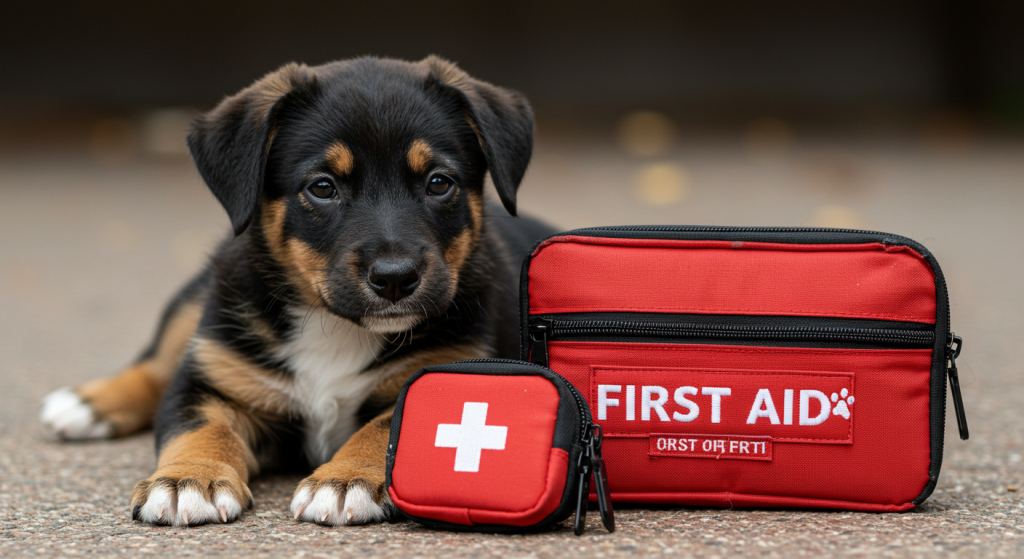
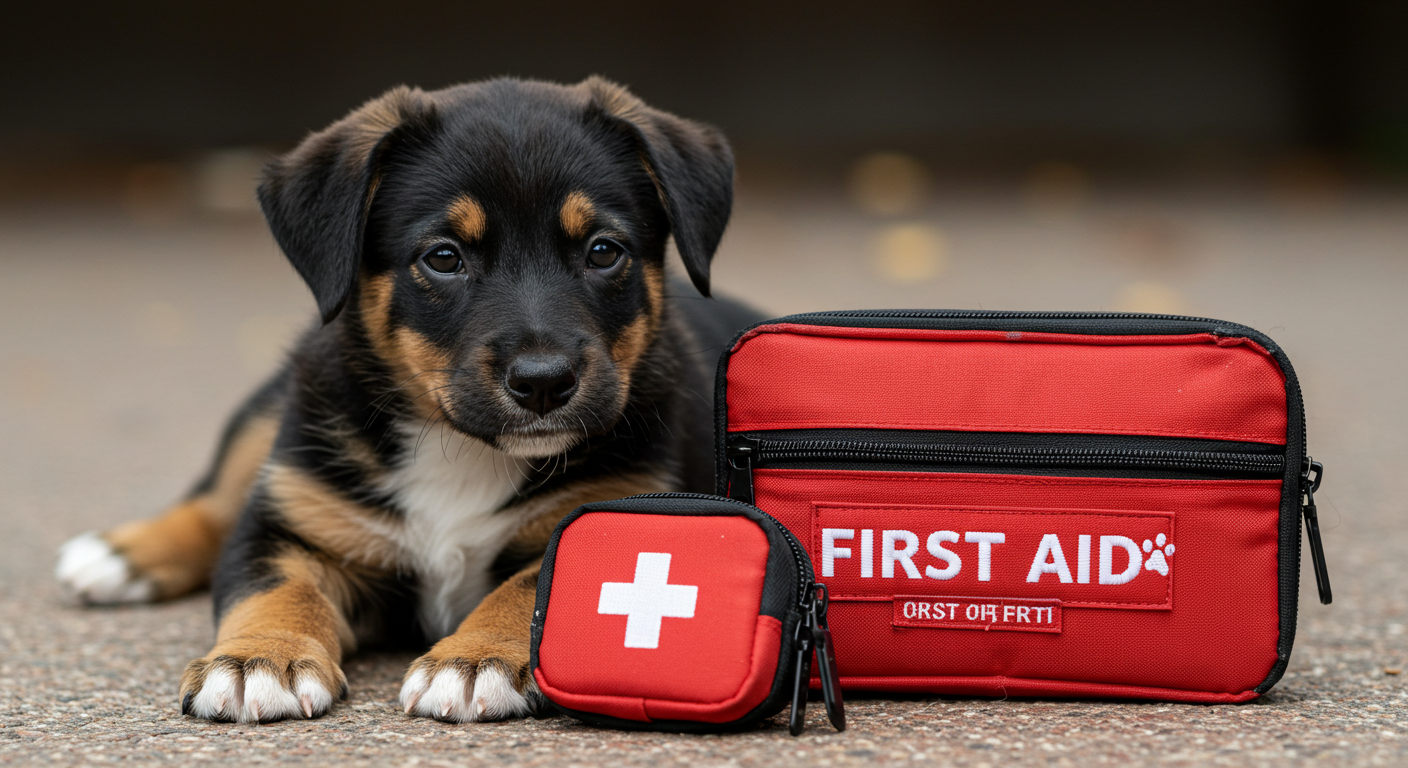
The importance of having a first-aid kit for your pet cannot be overstated. Emergencies can occur during daily activities or adventurous outings, such as camping trips or vacations, where immediate help isn’t always within reach. Consider the anxiety of being stranded without means to care for your beloved companion during an unexpected crisis. Having a first-aid kit on hand not only promotes peace of mind but can also be a lifesaver in critical situations.
Understanding Potential Emergencies
Pets can face various emergency situations, from minor injuries to more severe health crises. Possible scenarios include cuts, allergic reactions, or accidental poisoning. Recognizing these potential risks equips pet owners with the knowledge needed to respond promptly. Before heading out on your next trip, familiarize yourself with what to include in your DIY first-aid kit, ensuring your furry friend stays safe no matter where your adventures take you.
Essential Items for Your DIY Pet First Aid Kit
Building a comprehensive first-aid kit does not require expert knowledge, but the right supplies are crucial. Below is a detailed list of items every pet parent’s kit should contain. This ensures that you are equipped to handle a variety of situations, keeping your pet safe and healthy.
Key Components to Include
Your pet first-aid kit should be stocked with the following essential items:
- Absorbent gauze pads – Perfect for covering wounds and controlling bleeding.
- Adhesive tape – Secures gauze in place to protect injuries.
- Cotton balls or swabs – Useful for cleaning small wounds.
- Hydrogen peroxide (3%) – Can induce vomiting if instructed by a veterinarian.
- Ice pack – Helps to reduce swelling and alleviate pain.
- Disposable gloves – Ensures cleanliness while treating your pet.
- Scissors with blunt ends – Useful for cutting gauze or clothing away from wounds.
- Tweezers – Aid in removing splinters or foreign objects.
- OTC antibiotic ointment – Provides protection against infection on minor cuts.
- Oral syringe or turkey baster – Helpful for administering liquid medications.
Additional Items You Should Not Overlook
In addition to the essentials, here are more supplies you may want to consider adding to your kit:
- Small flashlight – Useful for examining injuries in low light conditions.
- Alcohol wipes – Keeps tools and surfaces sanitary.
- Styptic powder – Controls bleeding and helps with nail injuries.
- Saline eye solution – Provides relief for irritated eyes.
- Artificial tear gel – Soothes dry or irritated eyes.
Staying Prepared: Regular Maintenance
Once your kit is assembled, it’s vital to check its contents regularly. Expire dates for medications and supplies can sneak up on you, making periodic checks a necessary practice. Every few months, review your first-aid kit to ensure nothing has expired and that you have adequately stocked any used items. This not only keeps your kit well-equipped but also instills confidence that you’re prepared for any scenario.
Location Matters
Consider where you store your pet first-aid kit. You want to keep it easily accessible yet out of reach of children or other pets. A designated spot near your home’s exits, like a closet or cupboard, can be perfect for quick access during an emergency. Additionally, if you travel often, consider maintaining a second kit in your car or travel bag.
Contact Information: An Important Addition
One of the often-overlooked components of a pet first-aid kit is contact information. You should include the clinic name and address of your veterinarian as well as the numbers of local emergency veterinary clinics. Having these details within your kit allows for a swift response in case your pet needs professional medical care. Take a moment to ensure that this vital information is updated and easily accessible.
In Summary
Having a DIY pet first-aid kit is essential for every responsible pet owner. Stocking your kit with essential supplies allows you to manage unexpected emergencies and keep your furry friend safe. Remember to maintain your kit regularly, keeping contact information and medical resources handy for a well-rounded approach to pet care.
Your pet deserves the best care, and preparing for the unexpected is a big part of that. If you need assistance or further resources, don’t hesitate to reach out to your veterinarian or local animal health professionals.


